Gin · Buck · Herbaceous
Suffering Bastard Recipe
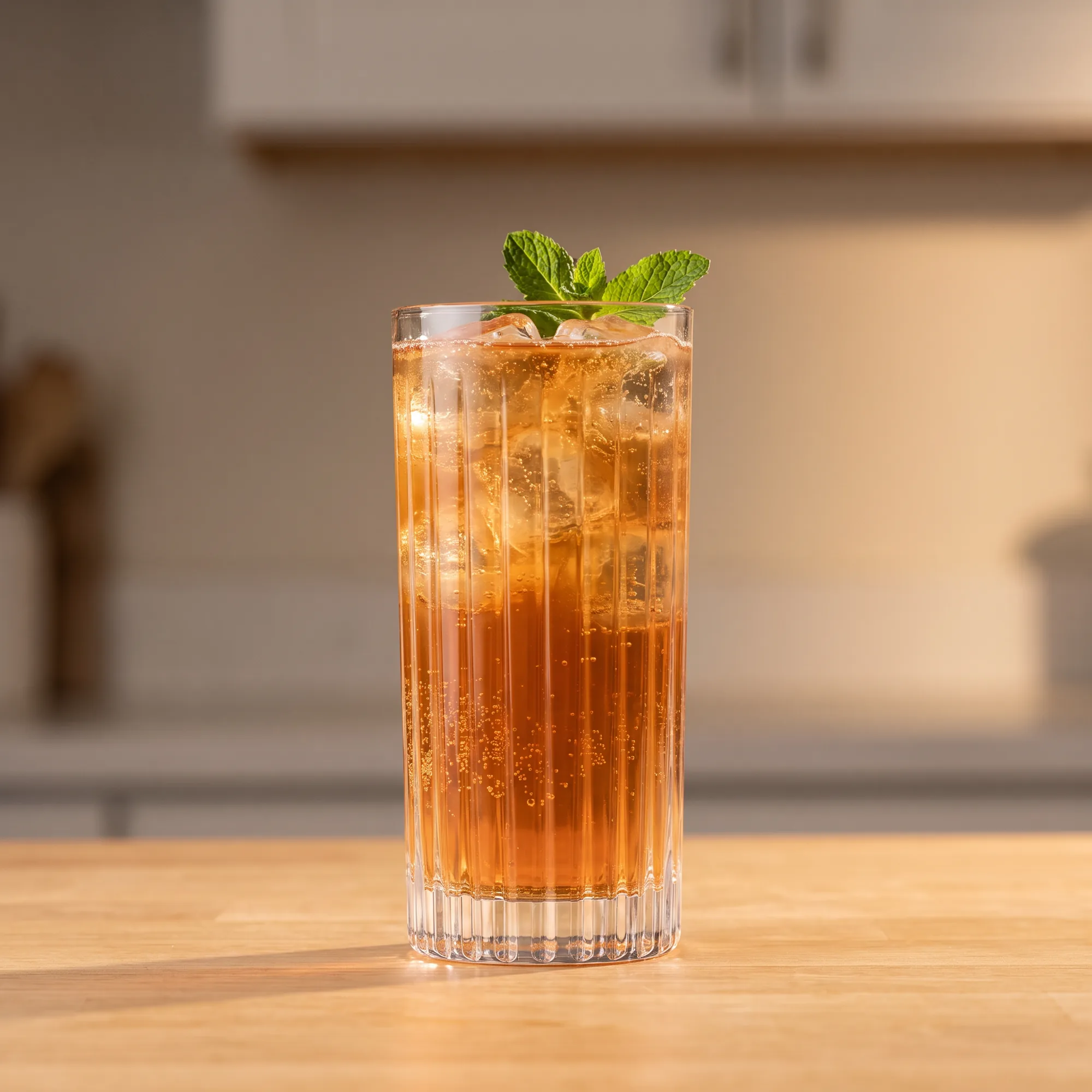
A double-spirit gin-and-brandy highball built to knock out a hangover — spicy, fizzy, and unapologetically strong. Gin's juniper snap and brandy's warm sweetness ride together over sharp ginger fizz and a clean citrus edge — equally suited to easing a rough morning after or opening a long, warm evening outdoors.
- Prep Time
- 1.5 min
- Method
- Shaken
- Glass
- Collins glass
- Strength
- Light
Every recipe on Sipped Right is tested for taste and balance before it's published.
Last updated November 16, 2026
About the Suffering Bastard
The Suffering Bastard was invented in 1942 by bartender Joe Scialom at the Long Bar of Shepheard's Hotel in Cairo, mixed for hungover British officers during the North Africa campaign of WWII. Scialom combined gin and brandy — an unusual double-spirit base — with lime juice, Angostura bitters and ginger beer, reportedly to settle stomachs after rough desert nights out. Shepheard's Hotel burned down in the 1952 Cairo Fire, but the drink endured and later became a recognized classic.
Built on a 1:1:0.5 ratio of gin to brandy to lime juice, topped with ginger beer — the double-spirit base is what separates it from a Moscow Mule or a Dark 'n' Stormy, which lean on a single spirit under the same ginger-beer top. Here gin and brandy carry equal weight, closer to the multi-spirit stacking of a Pimm's Cup than to a standard buck.
Ingredients
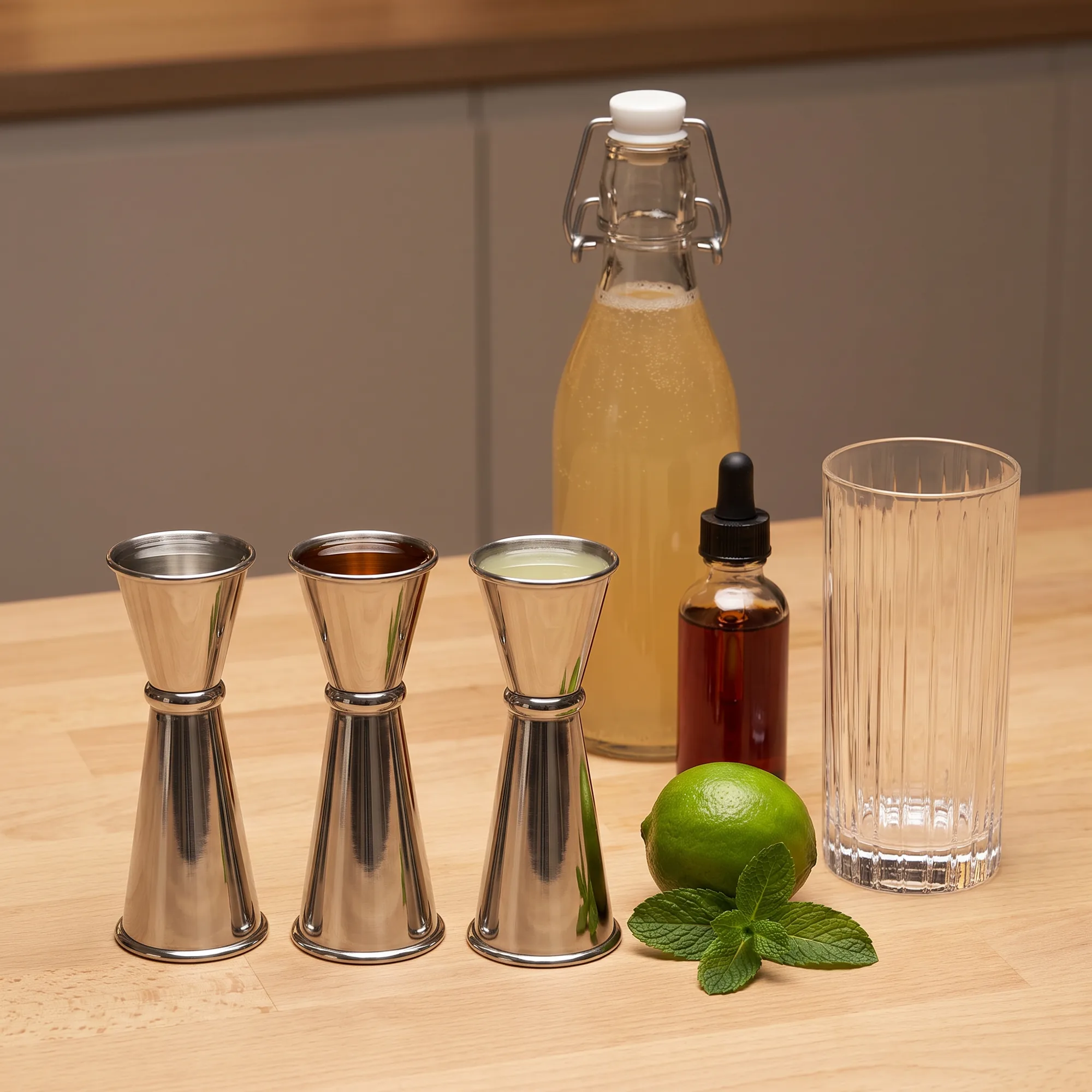
- Gin1 oz
- Brandy or Cognac1 oz
- Fresh lime juice½ oz
- Angostura bitters3 dashes
- Ginger beer4 oz , to top
- Mint sprig, for garnish1 sprig
Angostura's clove-and-cinnamon spice bridges the gin's botanicals and the brandy's caramel notes; it is essential to this two-spirit build, not just decorative.
Method
- Juice the limes.
- Measure and pour the gin, brandy, lime juice and Angostura bitters into a shaker tin.
- Add ice and shake until well chilled.
- Fill a Collins glass with ice.
- Strain the mixture into the glass.
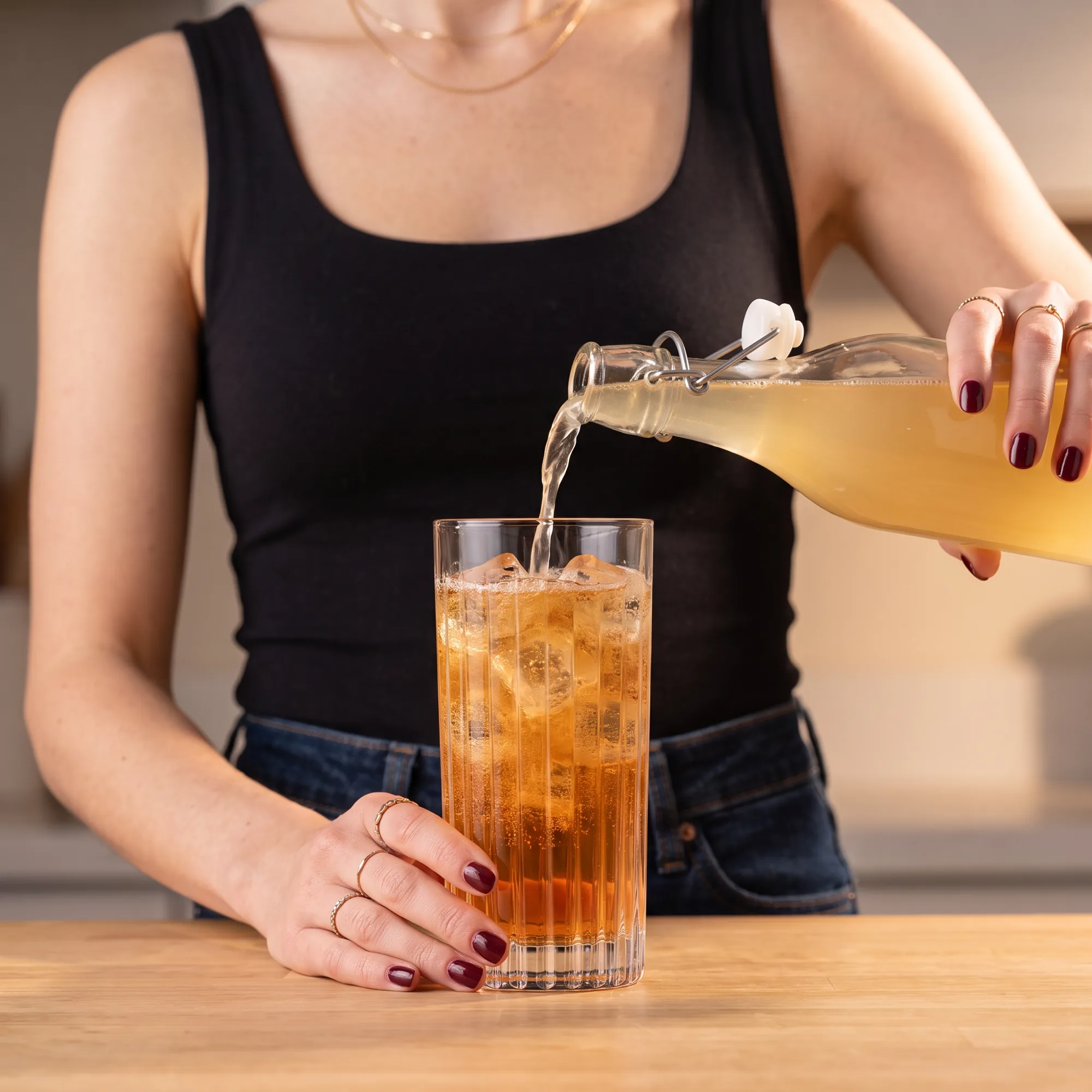
- Top with ginger beer.
- Slap a mint sprig between your palms to release its aroma.
- Rest the mint sprig on top of the drink as garnish.
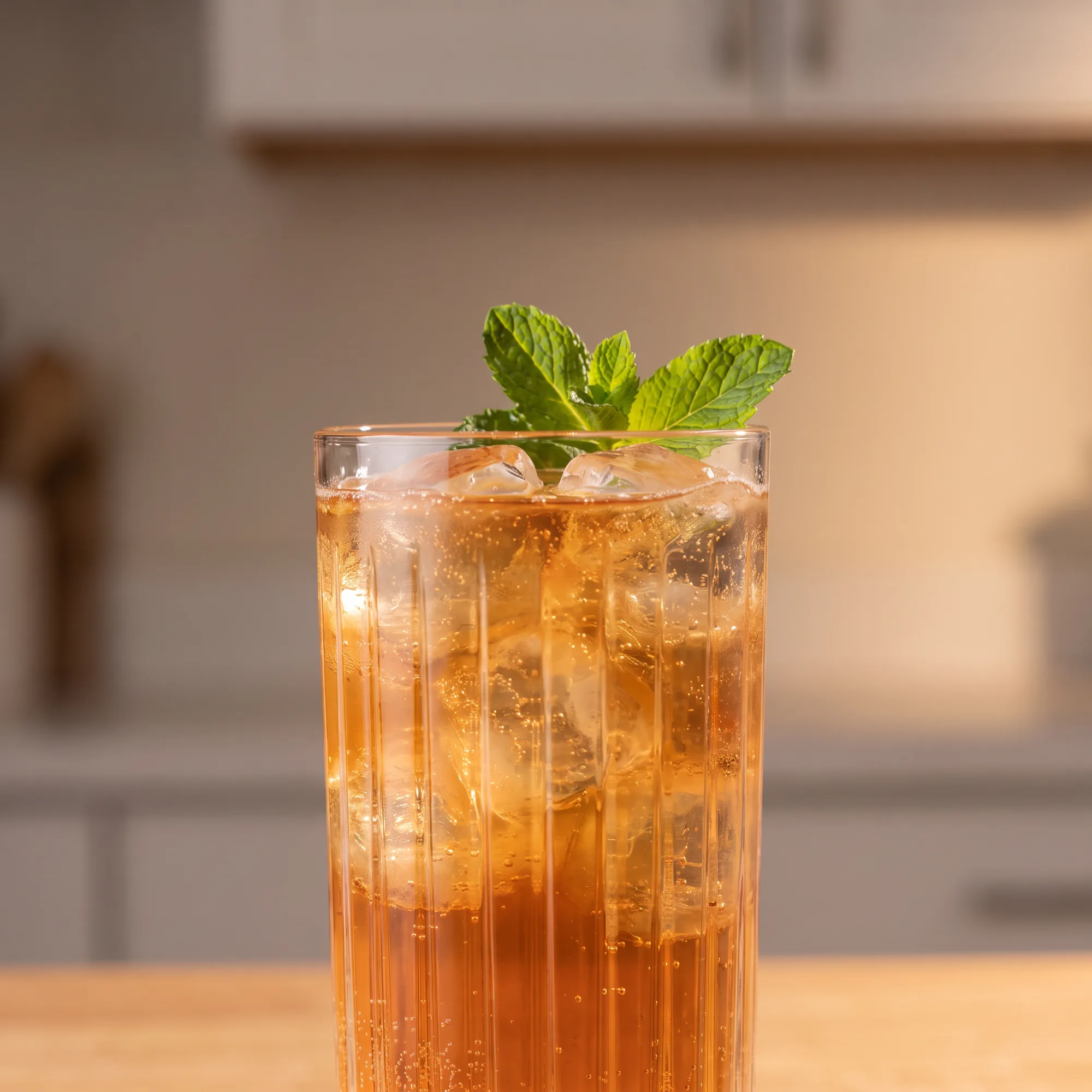
Glass & Garnish
Collins glass, full of ice (the original was served in its own tankard-style mug, if you have one). Garnish with a mint sprig and, optionally, an orange slice.
Notes
Historically, Shepheard's Hotel used a mix of lime cordial and fresh lime juice; this version uses straight fresh lime juice for simplicity without losing the drink's spice-forward, double-spirit character. Never shake the ginger beer — add it after straining so the fizz survives into the glass.
Tools Used
Affiliate links
As an Amazon Associate, Sipped Right earns commission from qualifying purchases made via links on this website, at no extra cost to you.
FAQ
- Where does the Suffering Bastard cocktail come from?
- It was invented in 1942 by bartender Joe Scialom at Shepheard's Hotel in Cairo, created to help hungover British officers recover during WWII. The unusual gin-and-brandy combination, brightened with lime juice and Angostura bitters and topped with ginger beer, became a wartime favorite and is now a recognized classic.
- What are the most popular variations of the Suffering Bastard?
- Some bartenders swap the brandy for bourbon, giving a sweeter, oakier profile. Trader Vic's rum-based riff is another well-known variation, typically garnished with cucumber instead of mint. Vodka and ginger ale substitutions also appear on older menus, but the gin-and-brandy version with ginger beer stays closest to the 1942 original.
- Can I use ginger ale instead of ginger beer?
- Yes, but the drink turns noticeably milder and sweeter — ginger beer's sharper, spicier bite is what gives the Suffering Bastard its signature heat. If you substitute, use a strong, dry ginger ale and expect a softer finish. Fresh lime juice should not be swapped for bottled or cordial substitutes.
- What gin and brandy work best in a Suffering Bastard?
- A classic London Dry gin keeps the juniper forward against the brandy's sweetness; avoid heavily botanical or barrel-aged gins that muddy the profile. For the brandy, a straightforward VS or VSOP Cognac works better than an aged sipping brandy, since its warmth should support the drink rather than dominate it.
- What is the traditional garnish for a Suffering Bastard?
- A simple mint sprig is the most consistently documented garnish, slapped lightly to release its aroma before resting on the ice. Some modern serves add a lime wheel or orange slice, and tiki-leaning bars occasionally dress it up with pineapple and cherry, but mint alone stays closest to the original 1942 serve.
- Can I batch the Suffering Bastard for a party?
- Yes — pre-mix the gin, brandy, lime juice and Angostura bitters in the stated ratio and refrigerate ahead of time, but always add the ginger beer fresh per glass right before serving so it does not go flat. Build each serving over ice and top individually for the best fizz.
Related Cocktails
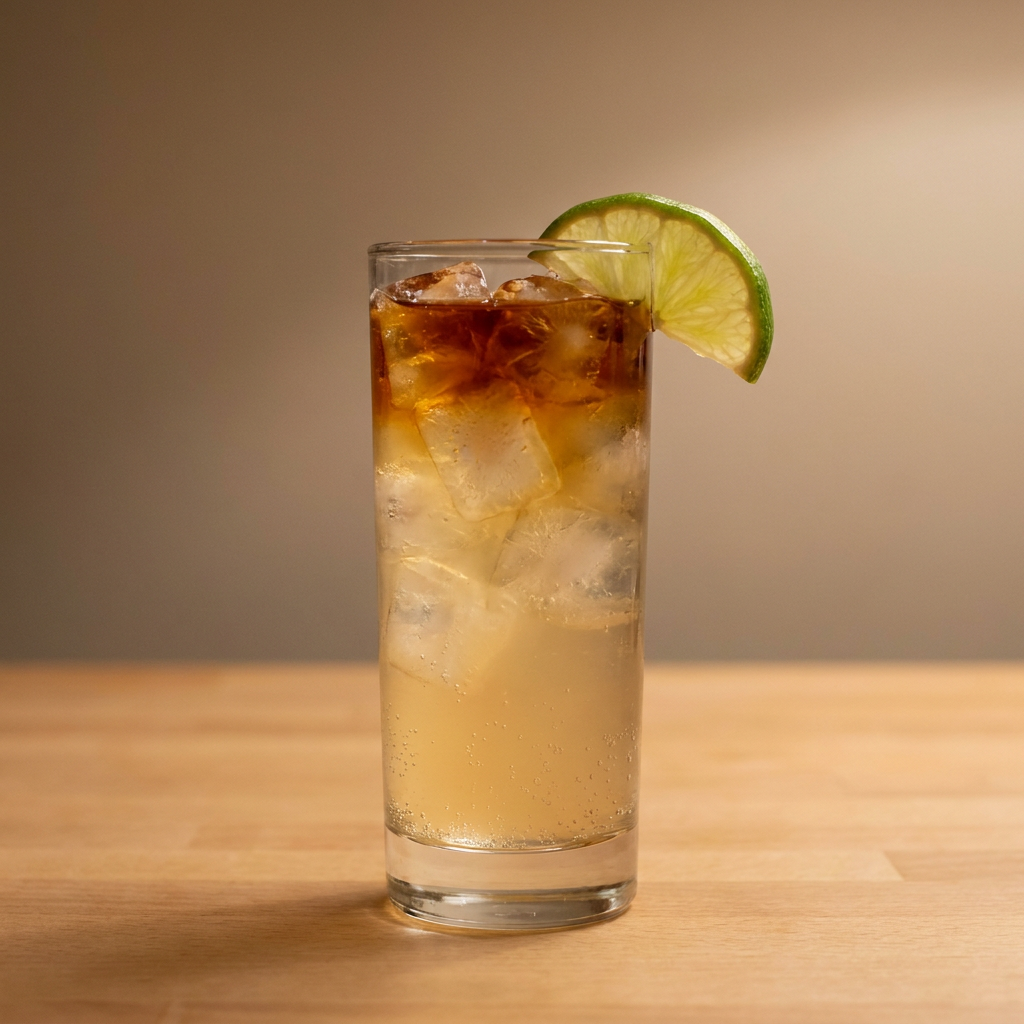
Rum
Dark 'n' Stormy
Dark rum floated over spicy ginger beer — Bermuda's storm-cloud classic, no shaker required.

Gin
Elderflower Collins
Tom Collins' floral twin, with St-Germain elderflower liqueur standing in for syrup and a crackle of soda doing the rest.
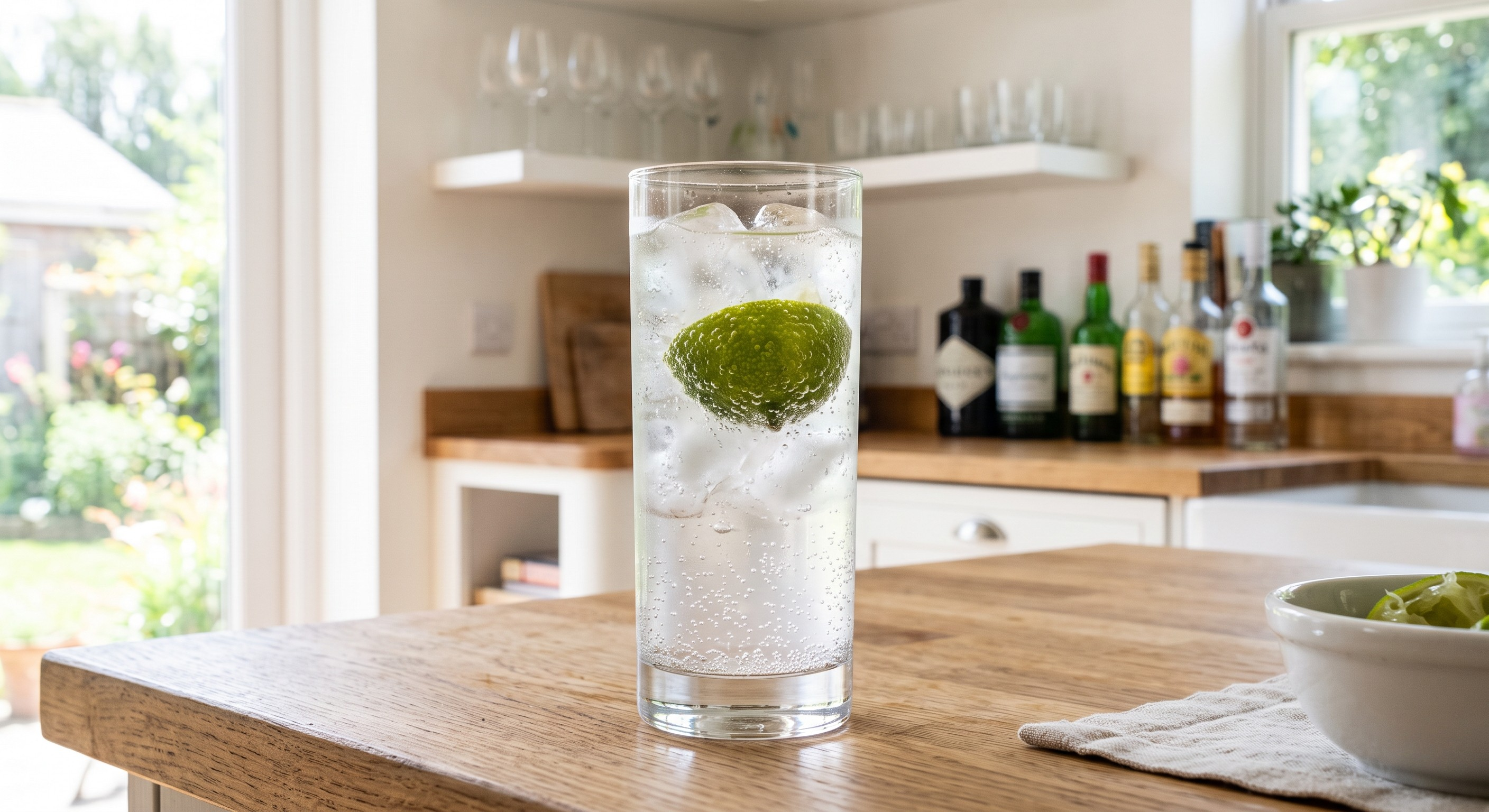
Gin
Gin Rickey
No sugar, no syrup — just gin, lime, and soda.
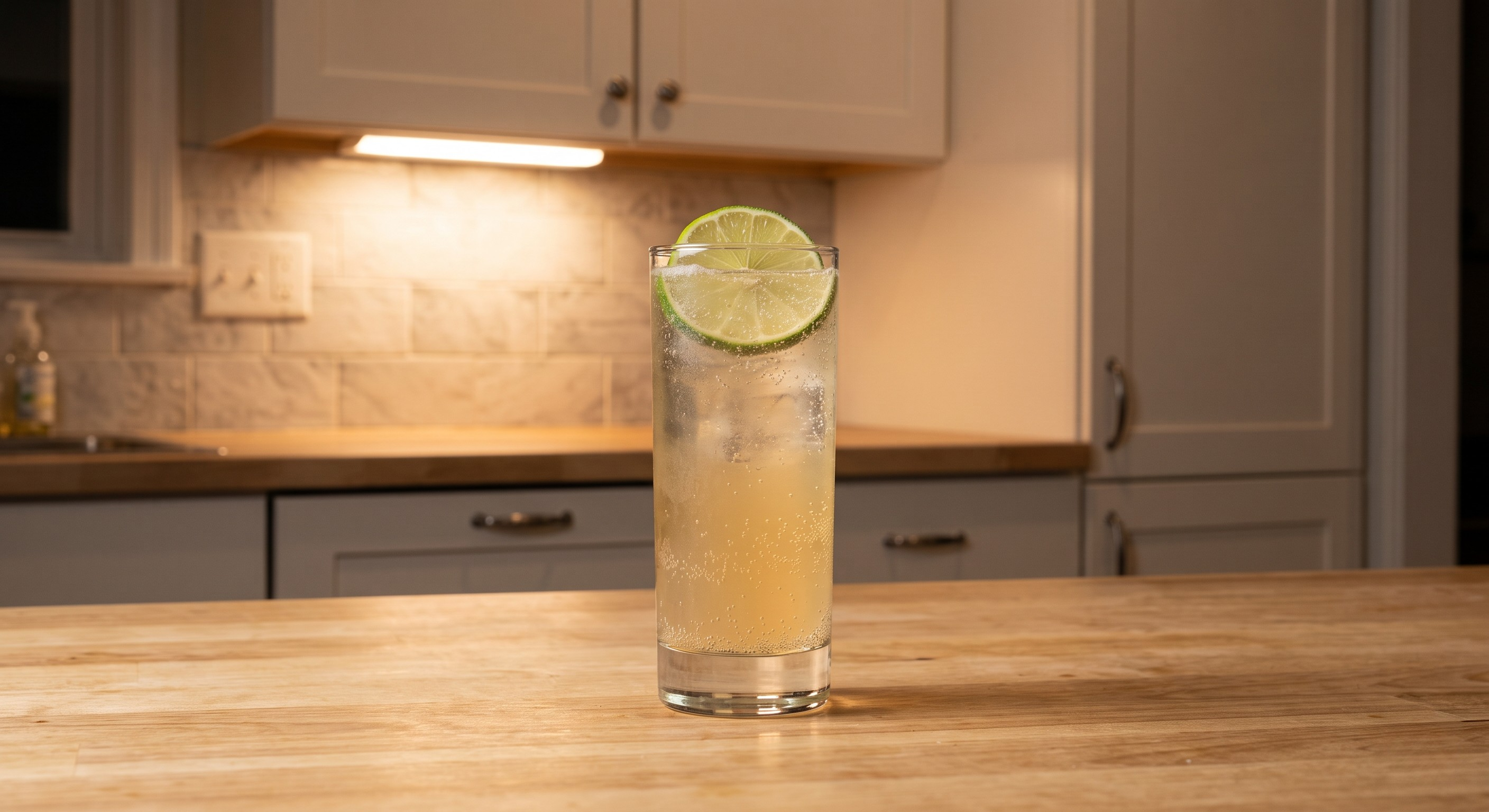
Gin
Gin Buck
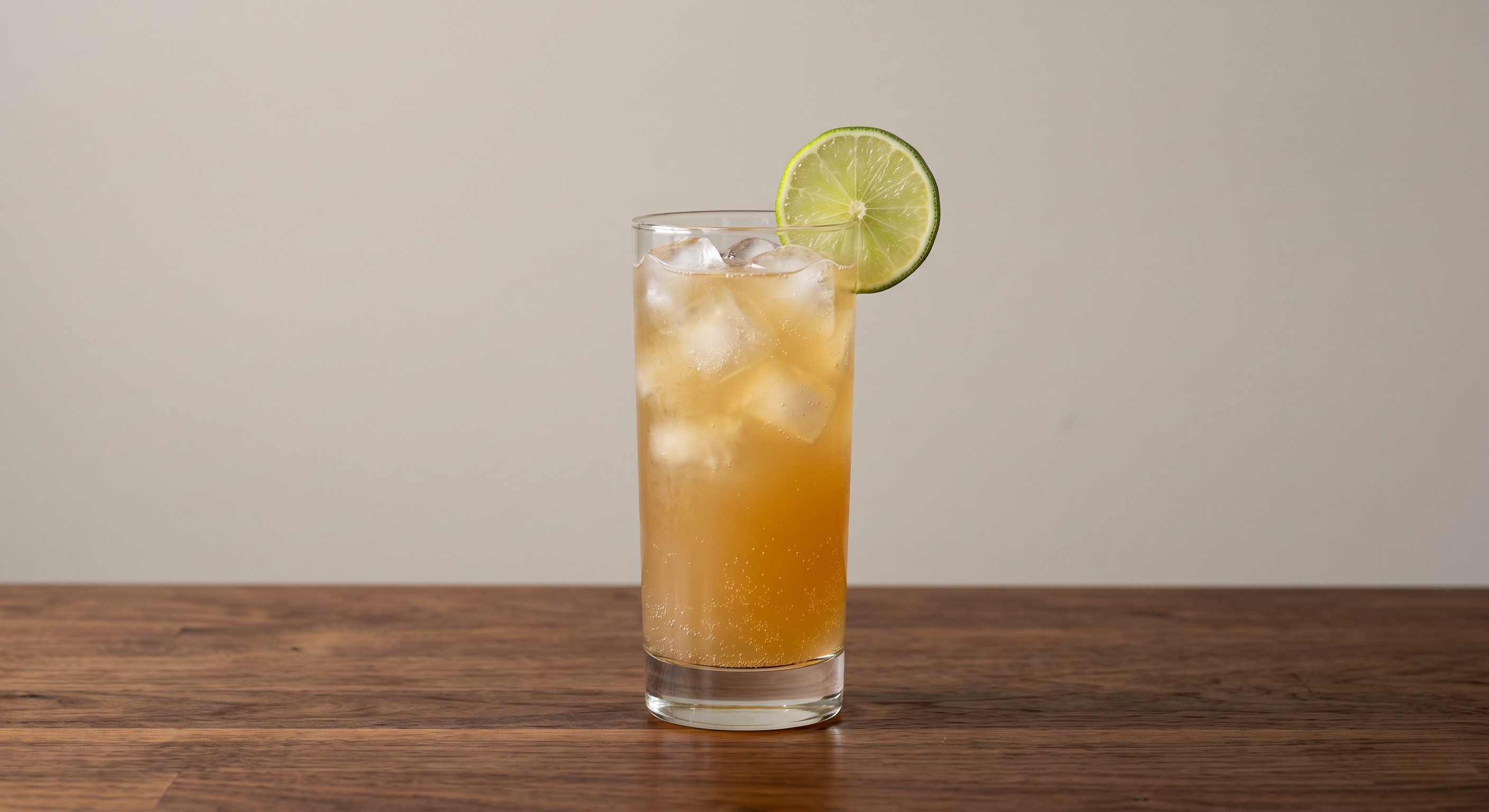
The Moscow Mule's gin-forward cousin.
Rum
Rum Buck
The Moscow Mule's rum-forward cousin — same ginger snap, warmer backbone.
Vodka
Moscow Mule
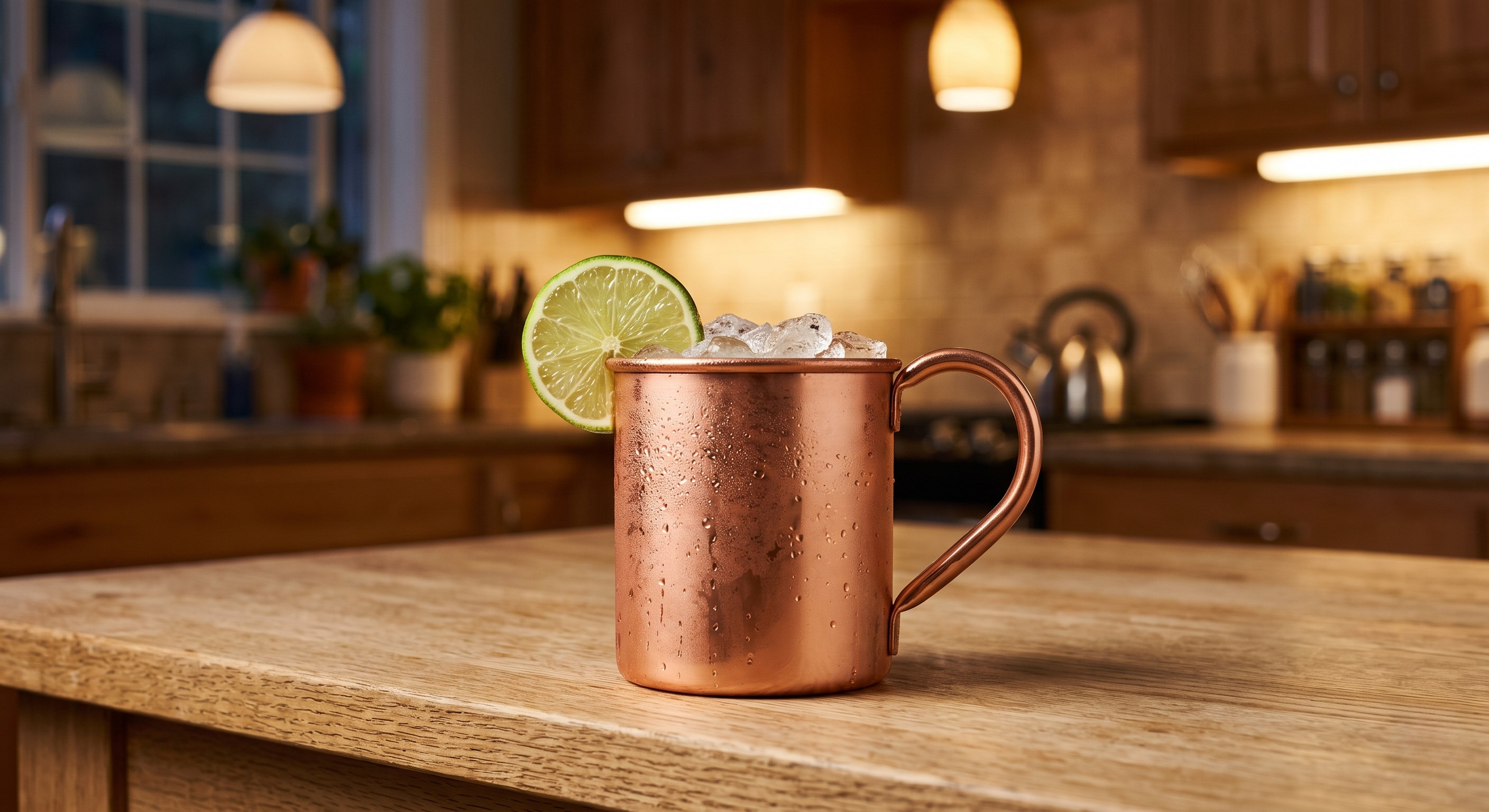
The copper-mug drink — vodka, lime, a proper ginger kick.