Aperitif/Liqueur · Classic · Sweet
Kir Recipe
Two pours, a light stir, and Burgundy's favourite apéritif is done. A splash of blackcurrant liqueur turns an ordinary glass of dry white wine into France's classic apéritif-hour pour — light and sweet-tart enough to open the appetite without spoiling dinner.
- Prep Time
- 0.5 min
- Method
- Stirred
- Glass
- White wine glass
- Strength
- Light
Every recipe on Sipped Right is tested for taste and balance before it's published.
Last updated November 16, 2026
About the Kir
Kir takes its name from Canon Félix Kir, mayor of Dijon and a decorated French Resistance hero, who served this blend of local Aligoté white wine and blackcurrant crème de cassis at official civic receptions after World War II. A similar mix, called blanc-cassis, had already been poured in Dijon since around 1904; Burgundy's cassis producers formally attached Kir's name to the drink in the early 1950s, and it stuck.
The standard build is one part crème de cassis to six parts dry white wine — about 0.5 oz cassis to 3 oz wine — a ratio that keeps it balanced; go much heavier on the cassis and the drink turns cloying rather than crisp. The natural comparison is the Kir Royale, which keeps the same half-ounce of cassis but swaps the still wine for Champagne, trading Kir's quiet aperitif character for something more celebratory and effervescent.
Ingredients
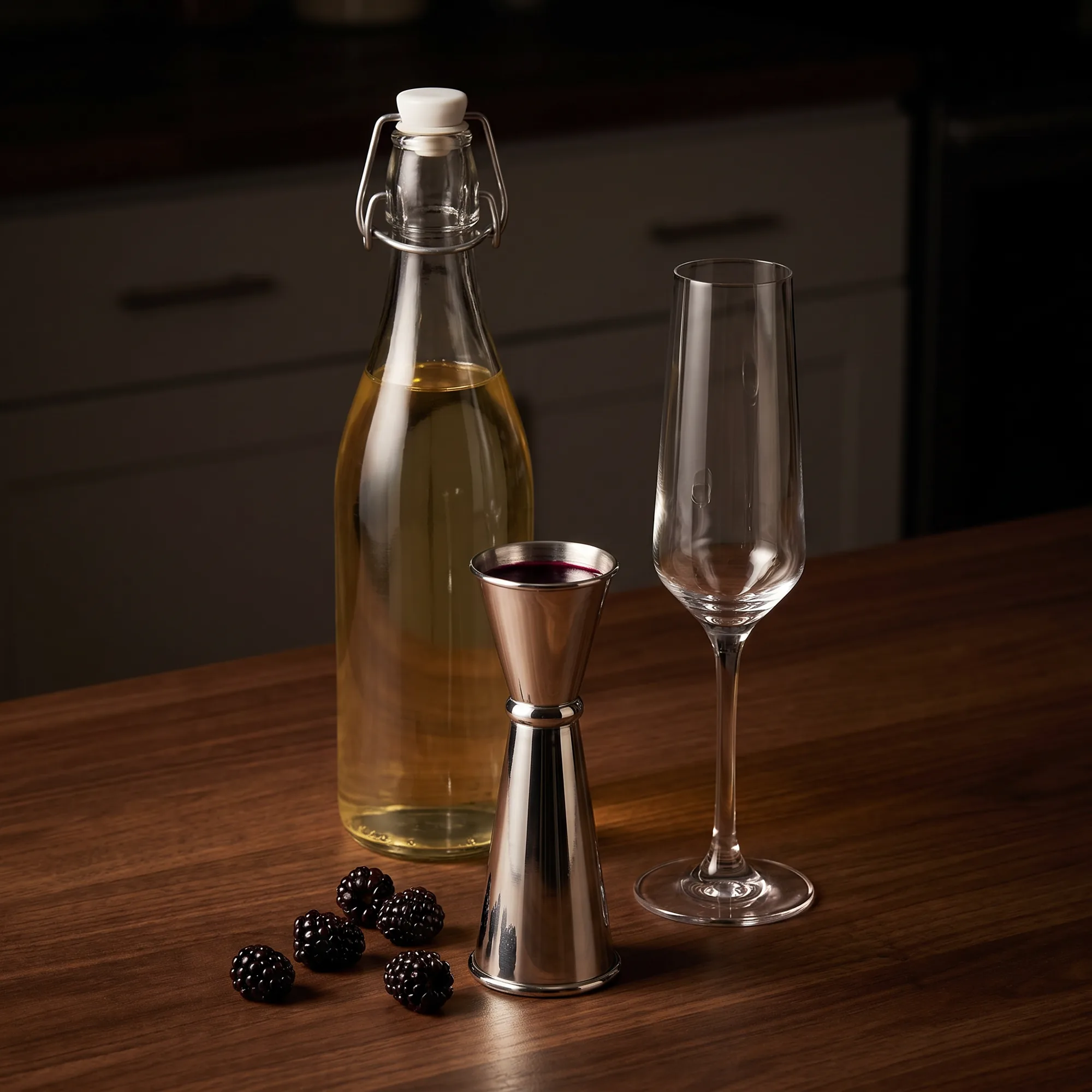
- Crème de Cassis½ oz
- White Wine3 oz
Method
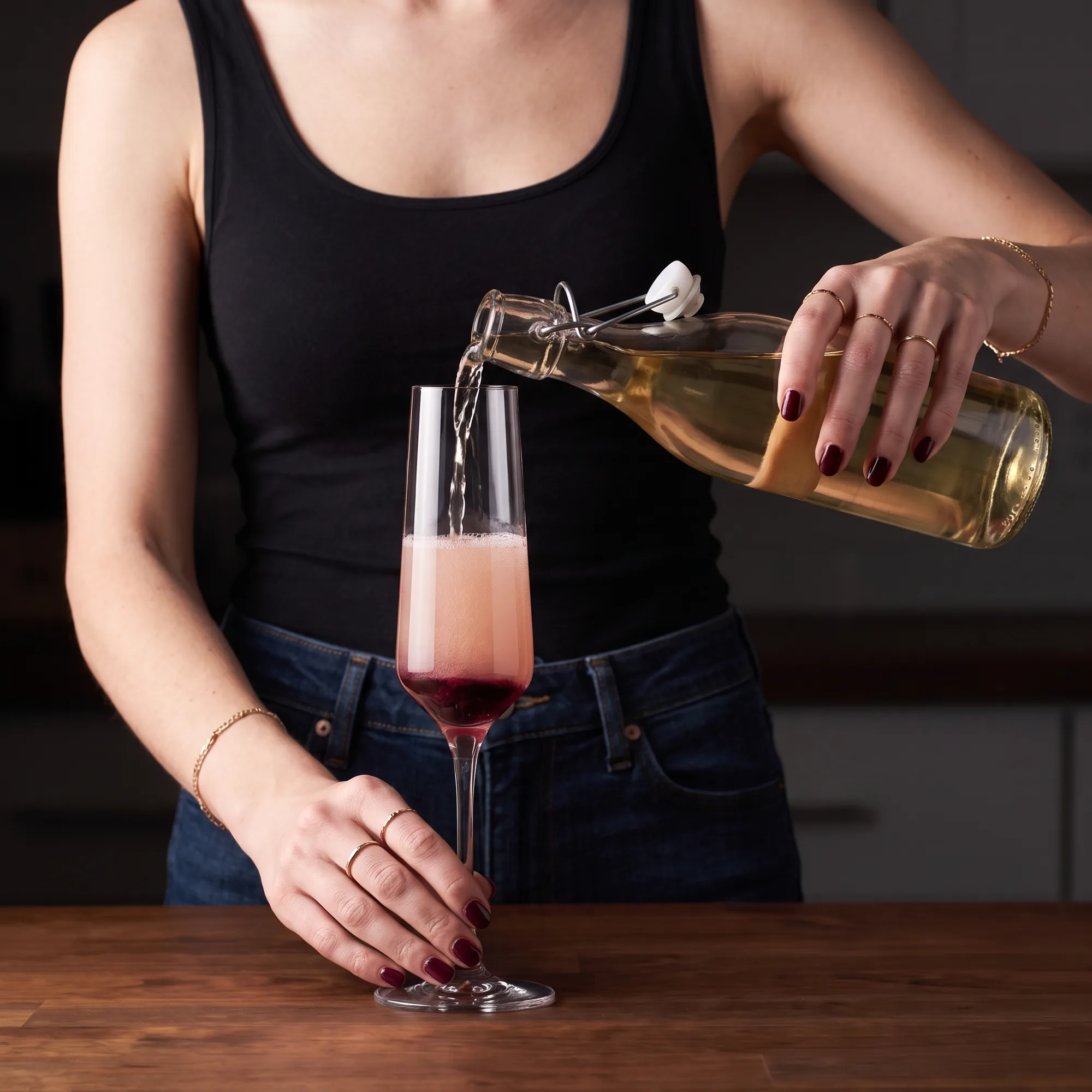
- Measure and pour the crème de cassis into a white wine glass.
- Top with the white wine.
- Stir gently once to combine.
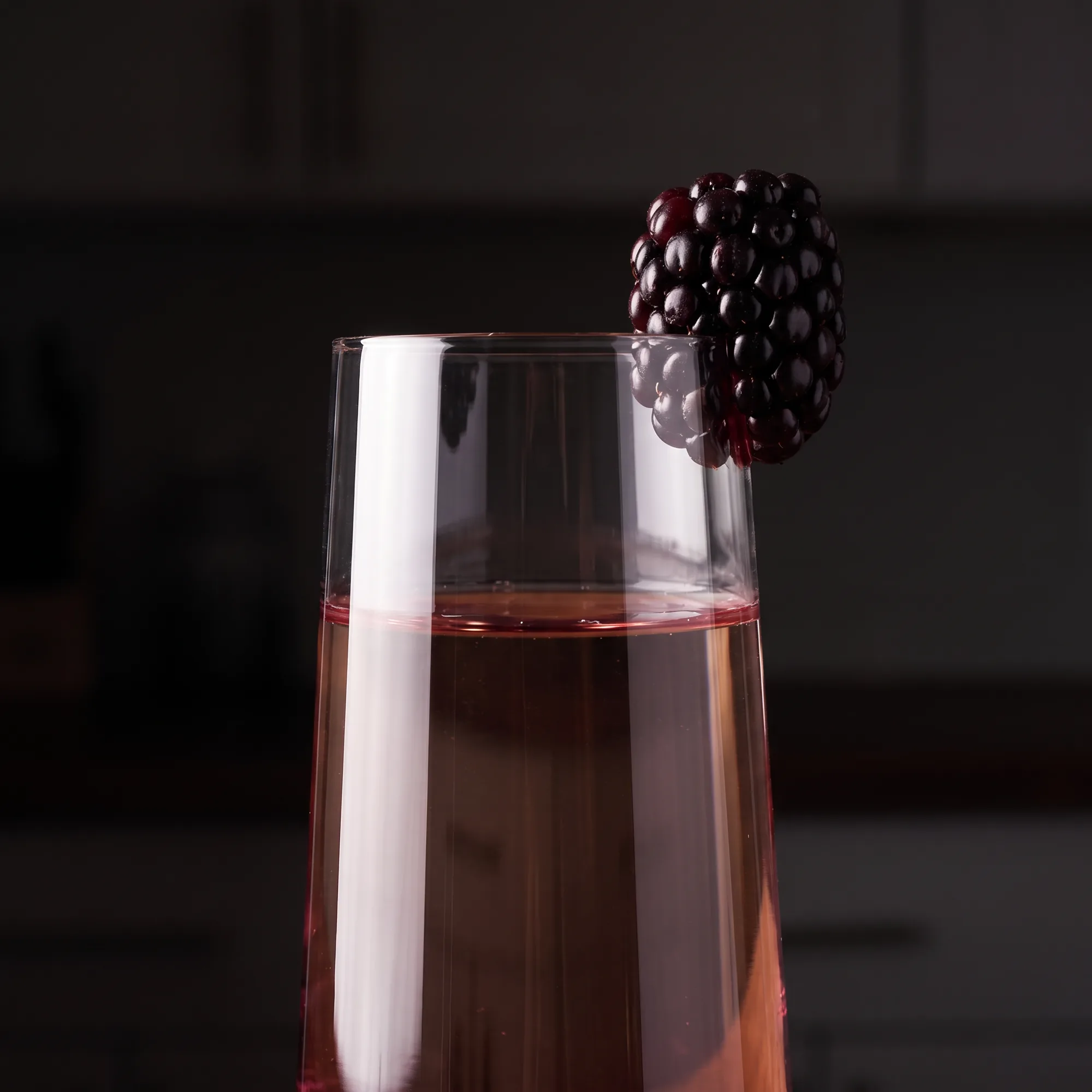
Glass & Garnish
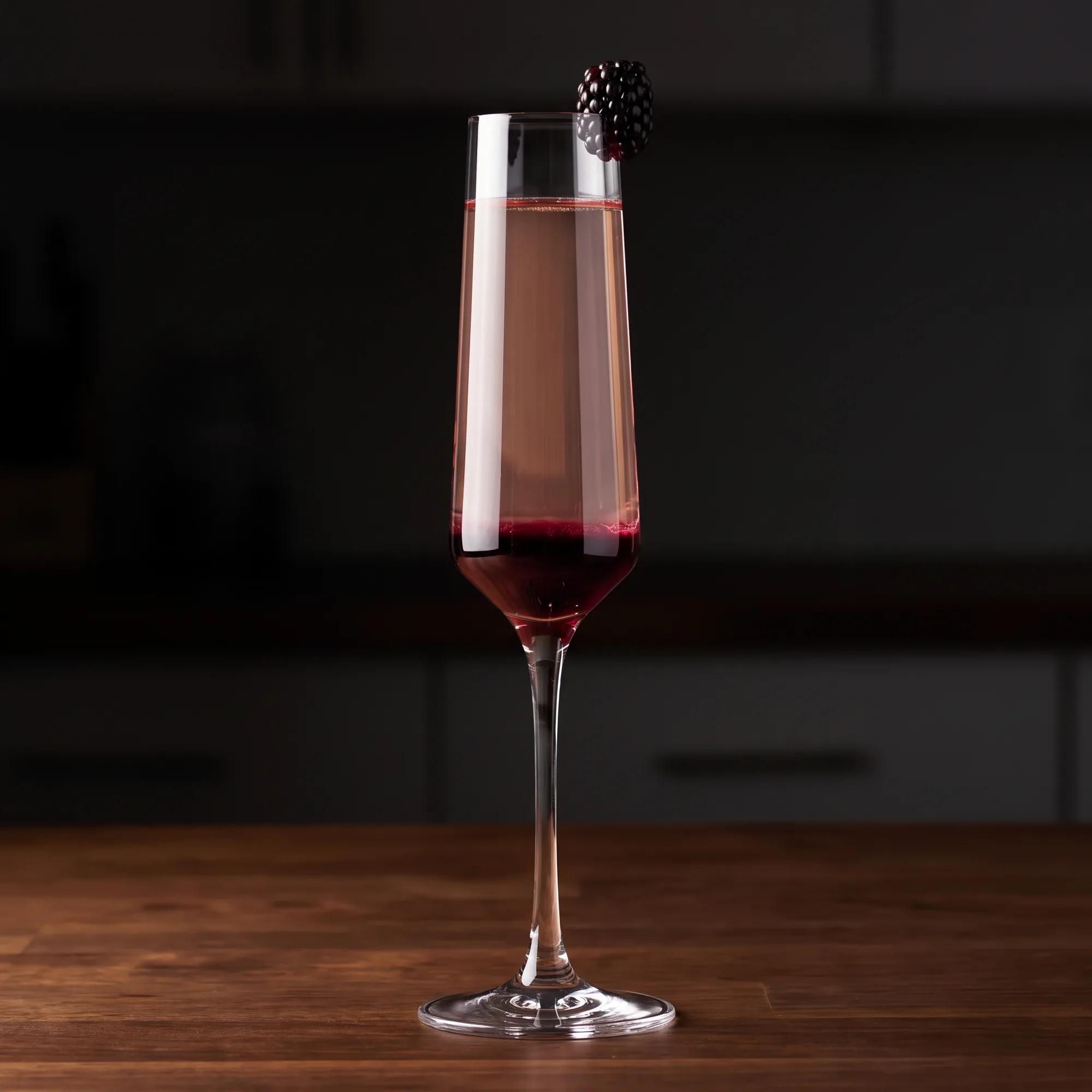
White wine glass, chilled. No garnish in the classic version, though a fresh blackberry echoing the cassis is a common modern touch.
Notes
Use a dry, high-acid white — traditionally Bourgogne Aligoté, or a similar unoaked Sauvignon Blanc or Muscadet — chilled well before building. Pour the cassis into the glass first so it settles at the bottom, then add the wine on top; a single gentle stir blends the two into a pale, rosé-pink drink.
Tools Used
Affiliate links
As an Amazon Associate, Sipped Right earns commission from qualifying purchases made via links on this website, at no extra cost to you.
FAQ
- Who was Kir named after?
- Canon Félix Kir, a French Resistance hero and the mayor of Dijon from 1945 to 1968, who served this wine-and-cassis blend at civic functions to showcase Burgundy's Aligoté grape and crème de cassis. A similar drink, called blanc-cassis, had already circulated locally since around 1904.
- Can I use a different wine?
- Yes — any dry, high-acid white works, though traditionally it's Bourgogne Aligoté. A similar unoaked Sauvignon Blanc, Muscadet, or Chardonnay is a fine substitute. Avoid oaky or overly fruity whites, which clash with the cassis instead of setting it off.
- Is there a spirit in a Kir?
- No — a Kir is wine-based, not spirit-based. Crème de cassis is a low-proof blackcurrant liqueur, and the base is still white wine, so the finished drink is much lighter than most cocktails despite sitting in the 'aperitif/liqueur' category here.
- What's the difference between a Kir and a Kir Royale?
- A Kir uses still dry white wine; a Kir Royale swaps that wine for Champagne, turning the same cassis-forward drink into something more festive and effervescent. Both use roughly the same measure of crème de cassis — only the base changes.
- Does a Kir need a garnish?
- No — a Kir is traditionally served with no garnish at all, letting the pale rosé-pink colour of the wine speak for itself. Some modern bars add a lemon twist or a few fresh blackcurrants, but neither is part of the classic recipe.
- Can I batch a Kir for a party?
- Yes — premix the crème de cassis and wine in the same 1:6 ratio in a chilled pitcher just before guests arrive, since wine loses its chill and freshness if it sits too long. Pour straight into wine glasses, no ice needed.
Related Cocktails
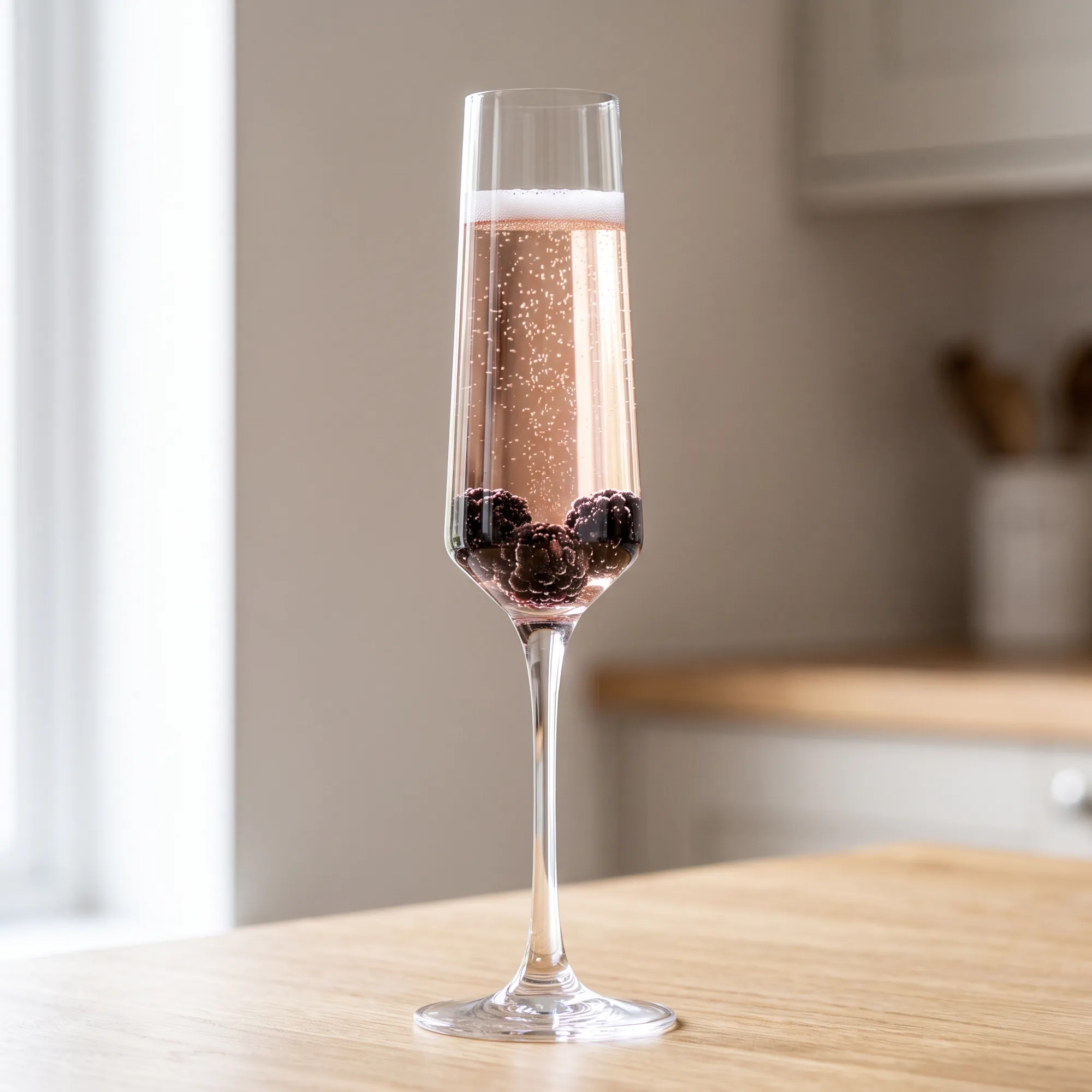
Aperitif/Liqueur
Kir Royale
Cassis and Champagne — France's simplest celebration cocktail.
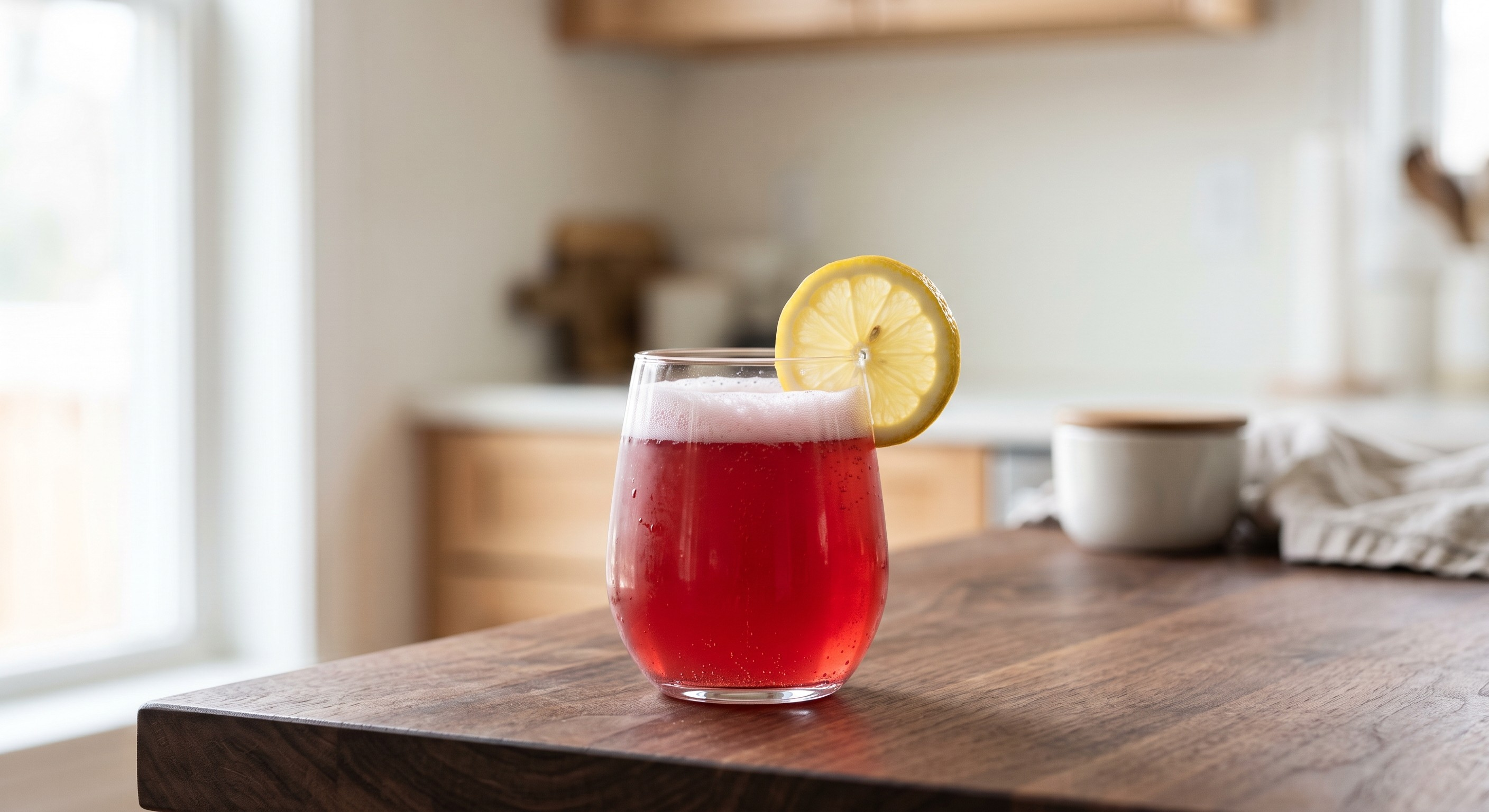
Aperitif/Liqueur
Sloe Gin Fizz
Sloe gin's fruity depth, given the classic Fizz treatment.
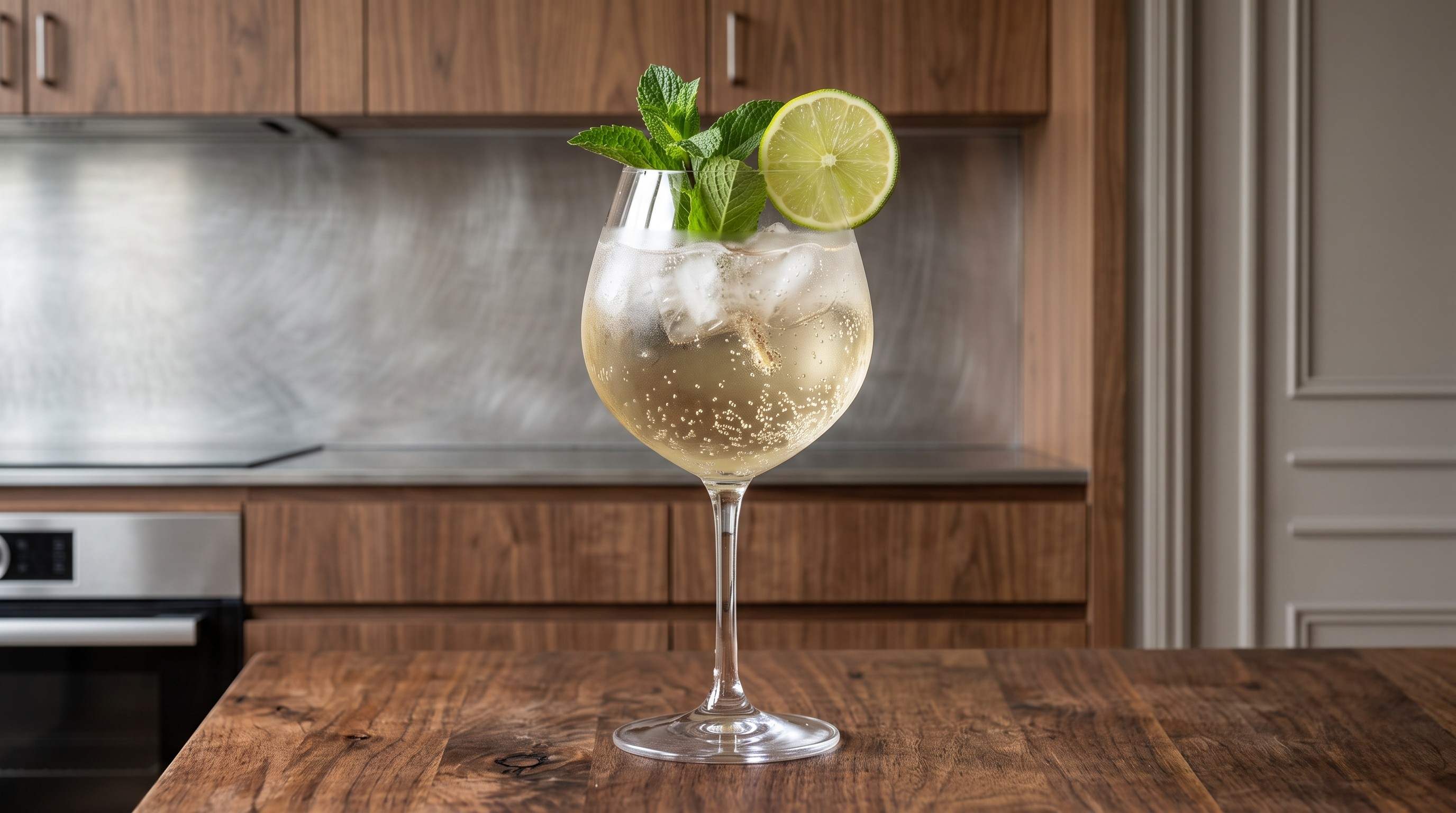
Aperitif/Liqueur
Hugo Spritz
Elderflower, bubbles, and mint — the spritz that skips Aperol's bitterness entirely.
Aperitif/Liqueur
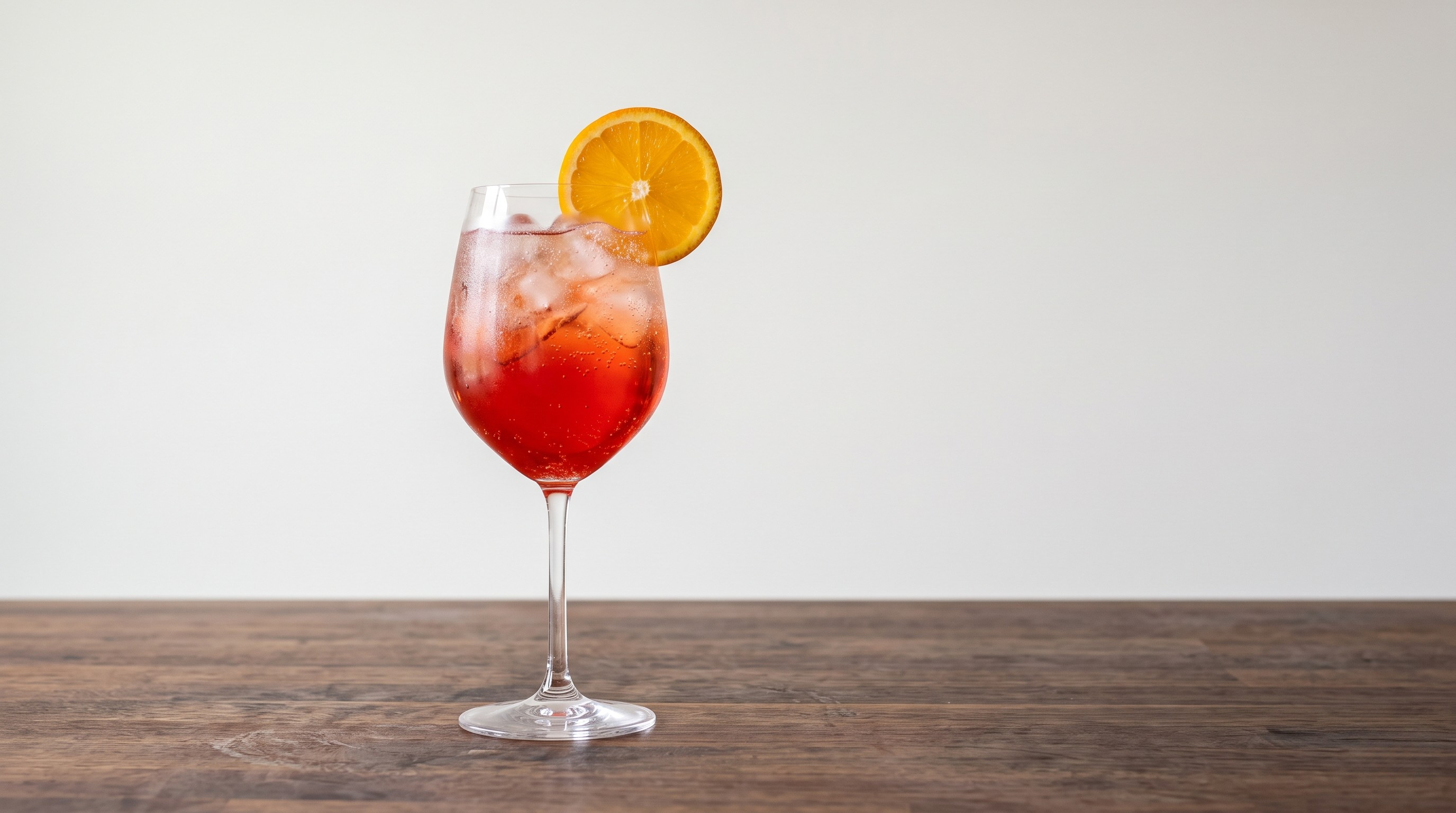
Campari Spritz
Bitter, bold, sunset-coloured — the spritz for someone who wants more edge than Aperol gives.
Aperitif/Liqueur
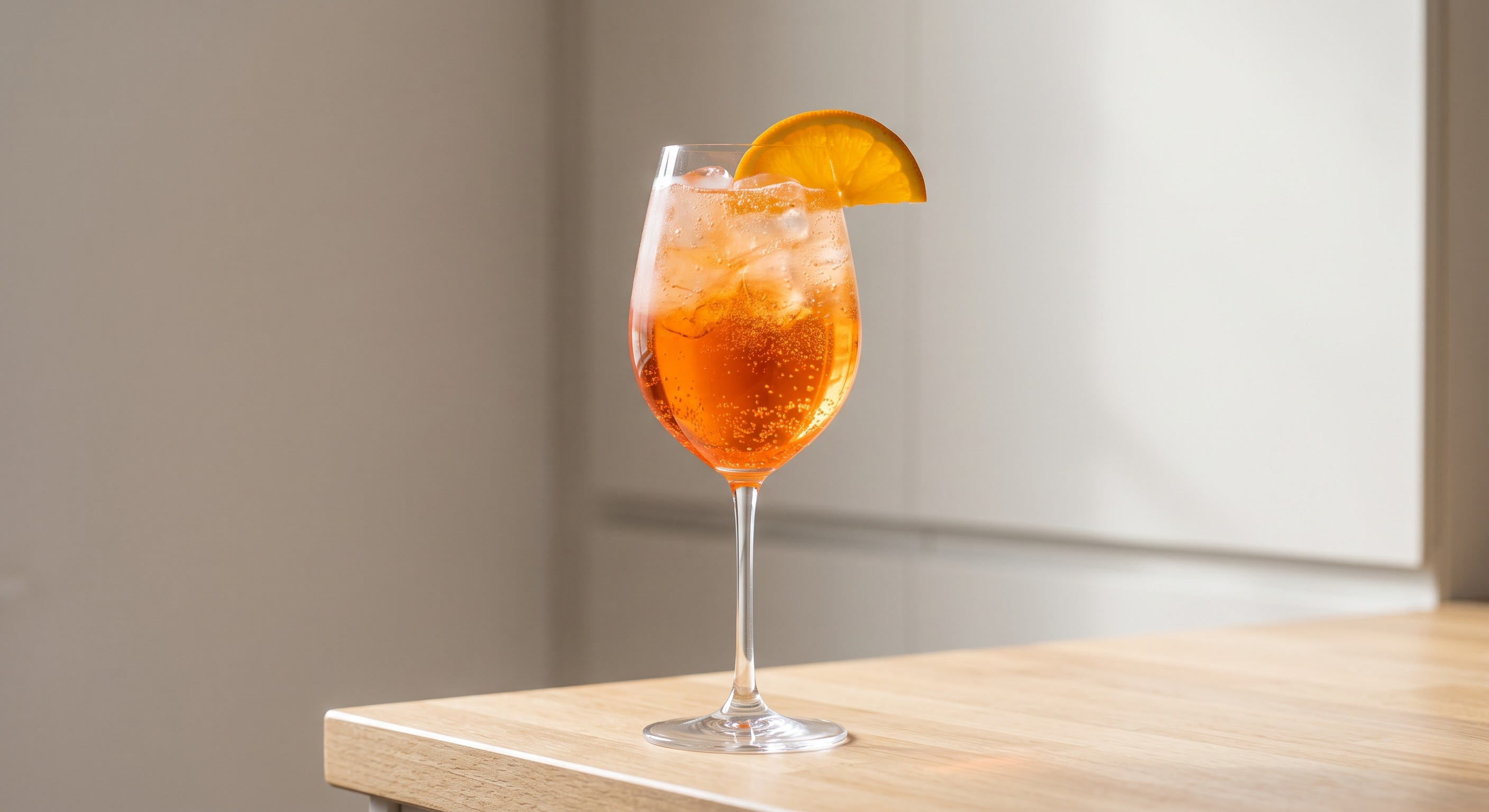
Aperol Spritz
Bitter-orange, bubbly, low-effort — the easiest cocktail on this entire site.