Whiskey · Fizz · Citrusy
Morning Glory Fizz Recipe
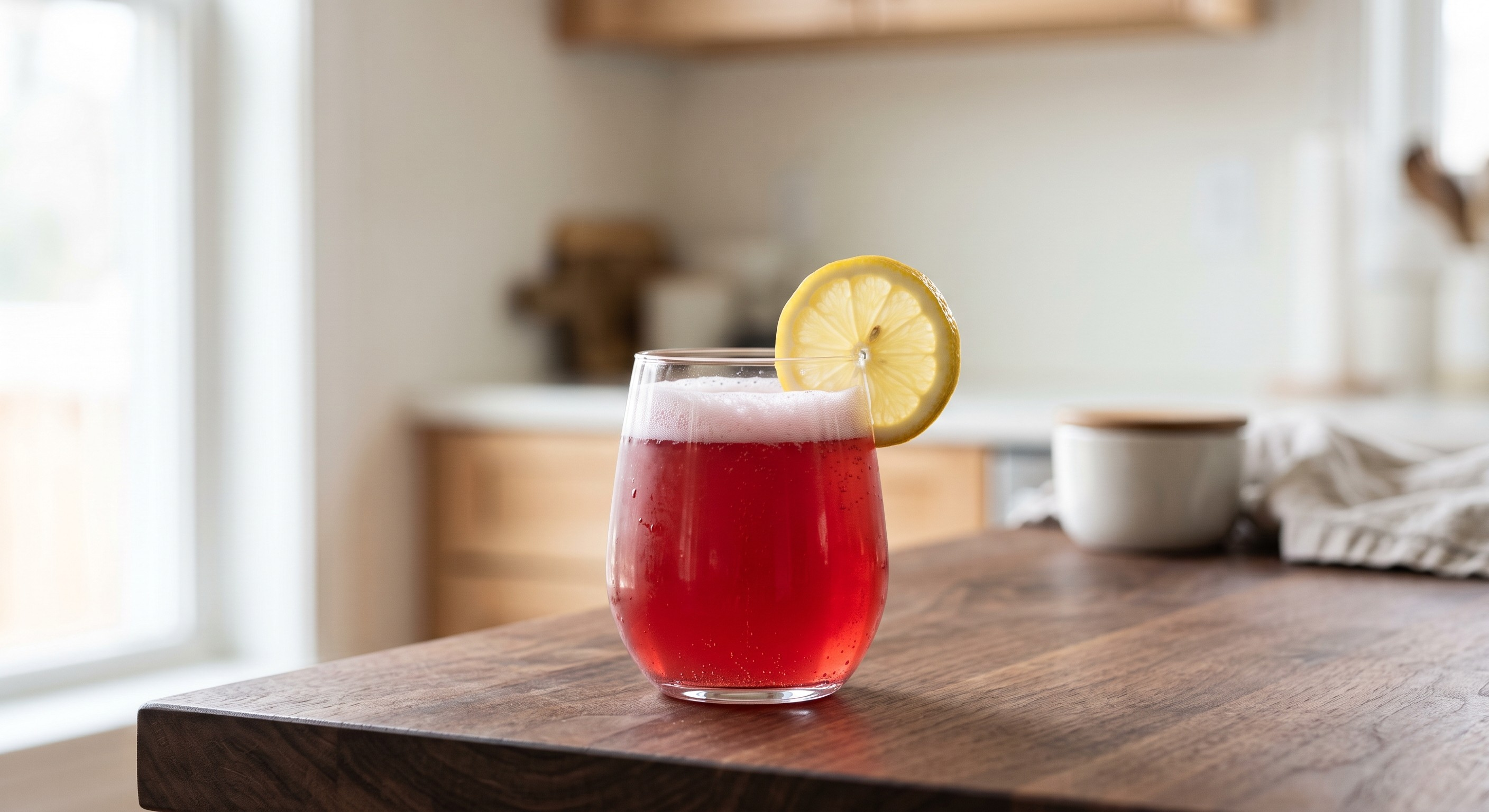
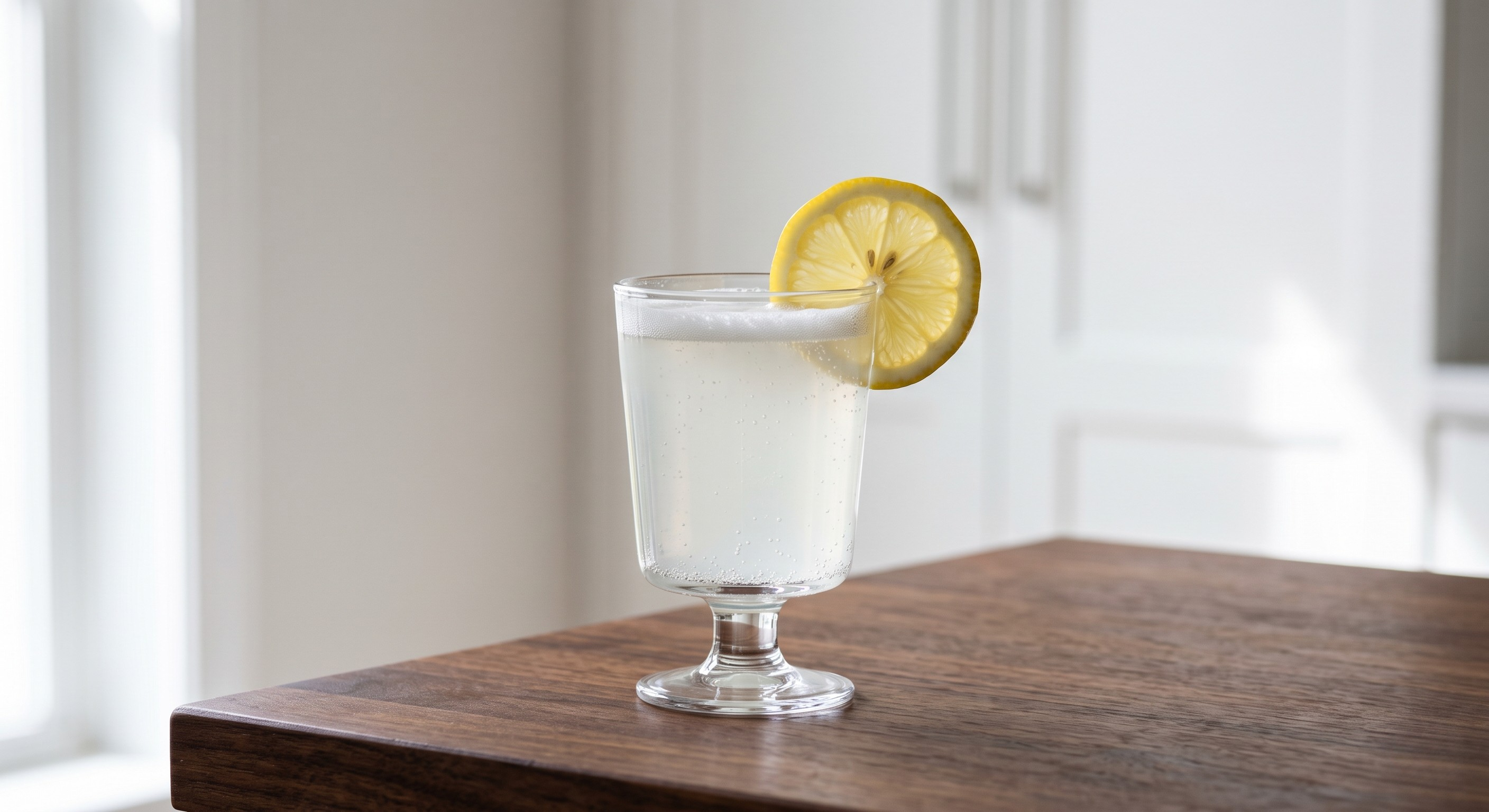
A Harry Johnson 1882 hair-of-the-dog classic — Scotch and absinthe, softened with egg white and soda. Smoky blended Scotch and a few dashes of absinthe meet lemon, sugar and a silky egg-white foam, finished with soda. Bright, aromatic and gently herbal, it suits brunch or a slow morning.
- Prep Time
- 2.5 min
- Method
- Shaken
- Glass
- Fizz glass
- Strength
- Light
Every recipe on Sipped Right is tested for taste and balance before it's published.
Last updated November 16, 2026
About the Morning Glory Fizz
First appears in Harry Johnson's 1882 "New and Improved Bartender's Manual" as a morning hair-of-the-dog remedy — one of the well-documented 19th-century fizz recipes despite its obscurity today.
The base is 2 oz Scotch to 0.75 oz lemon juice to 0.75 oz semi-rich simple syrup, roughly 8:3:3, with an egg white, 4 dashes of absinthe and a soda top. It is a classic sour with Scotch as the spirit, and the absinthe adds aniseed depth. The soda and foam are what make it a fizz rather than a plain sour.
Ingredients
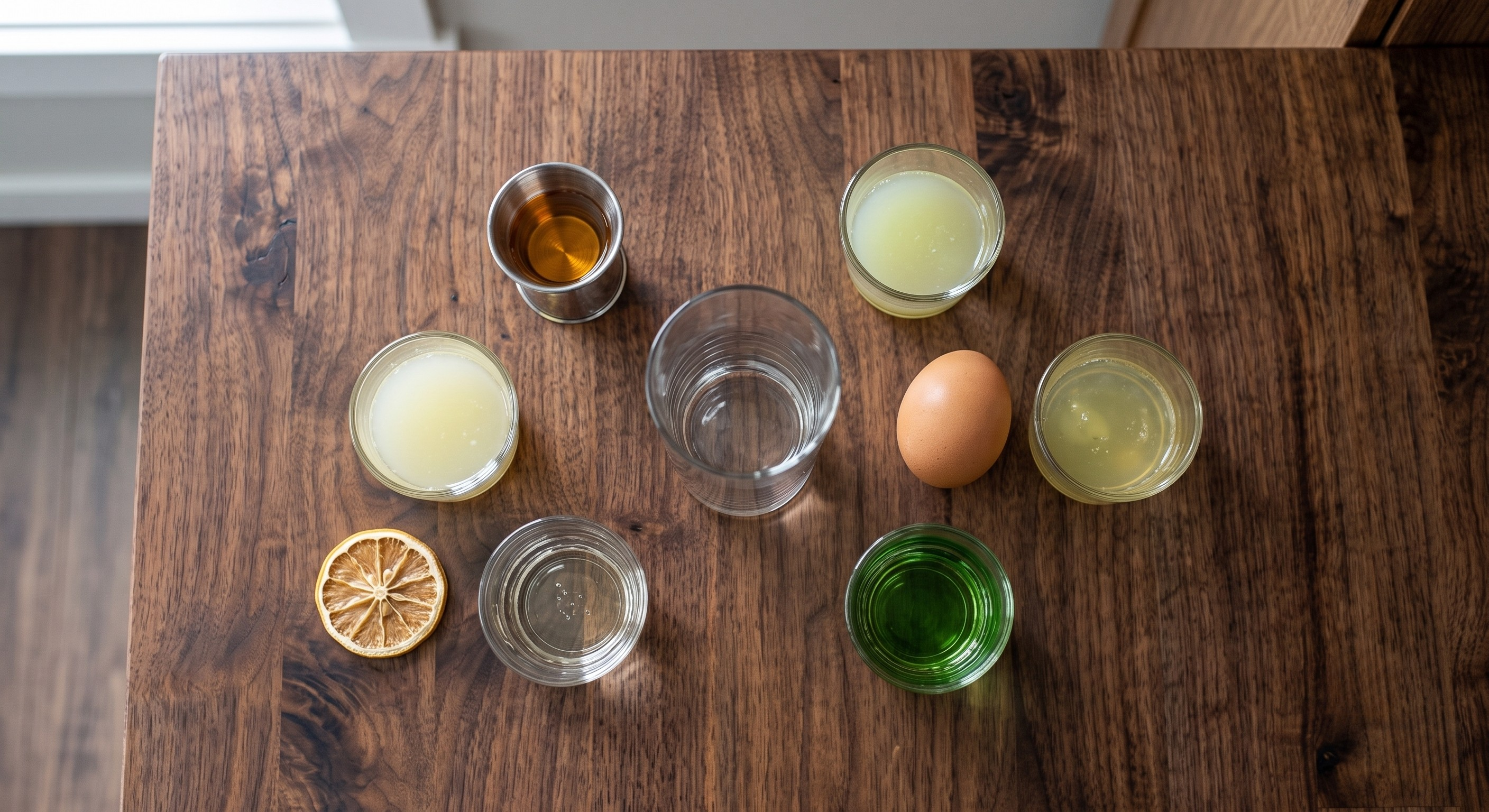
- Blended Scotch2 oz
- Fresh lemon juice¾ oz
- Semi-rich simple syrup (1.5:1)¾ oz
- egg whiteone
- Absinthe4 dashes
- Soda water~2 oz, to top
Method
- Juice the lemons.
- Add the blended Scotch, fresh lemon juice, semi-rich simple syrup and absinthe to the shaker — no ice.
- Crack the egg on the rim of the shaker, let the white fall in and keep the yolk out.
- Dry shake for 15 seconds.
- Add a scoop of ice to the shaker.
- Shake for 15 seconds.
- Strain the cocktail into a fizz glass, no ice.
- Top with soda water.
- Cut an orange wheel.
- Garnish with the orange wheel.
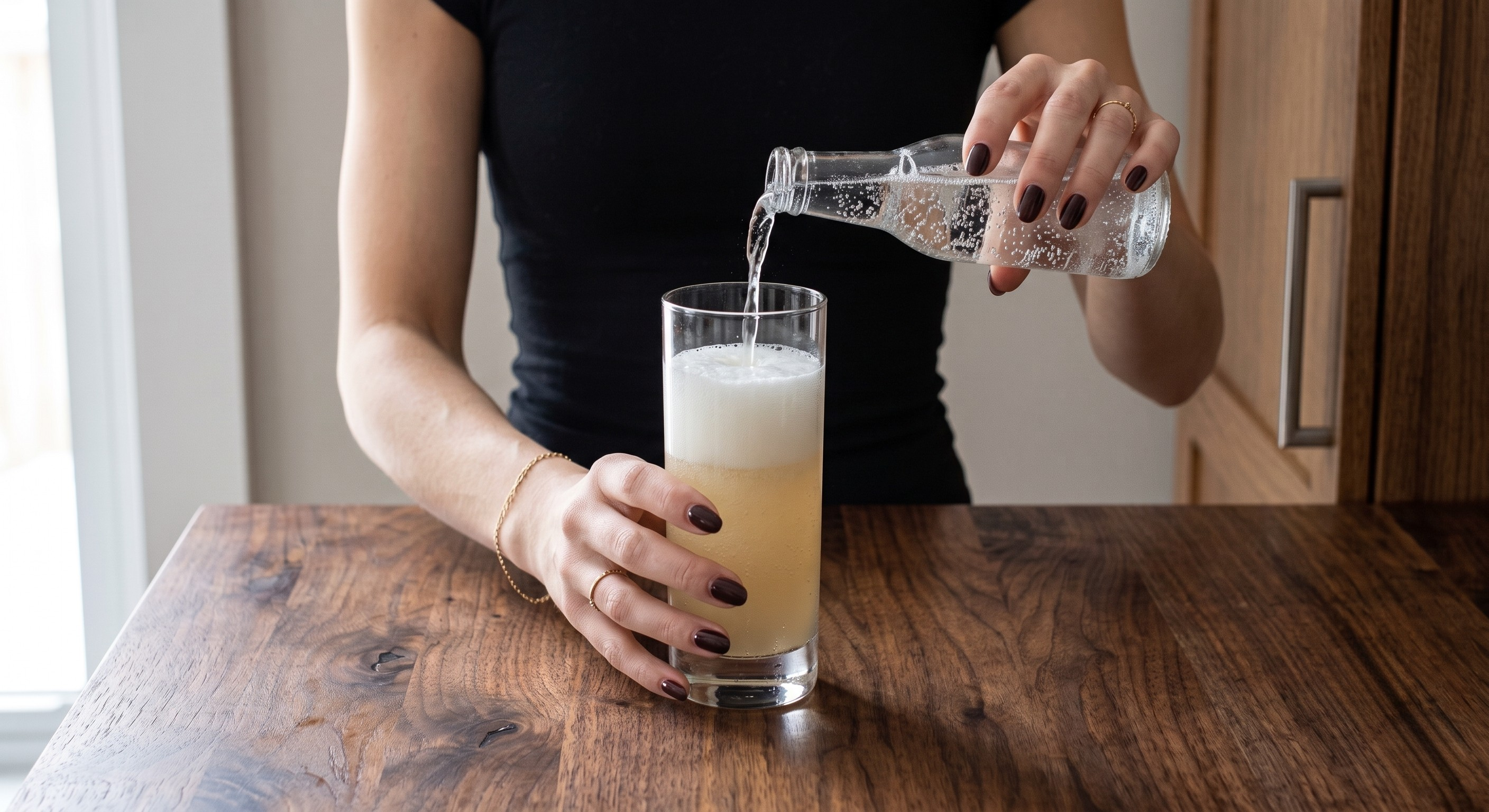
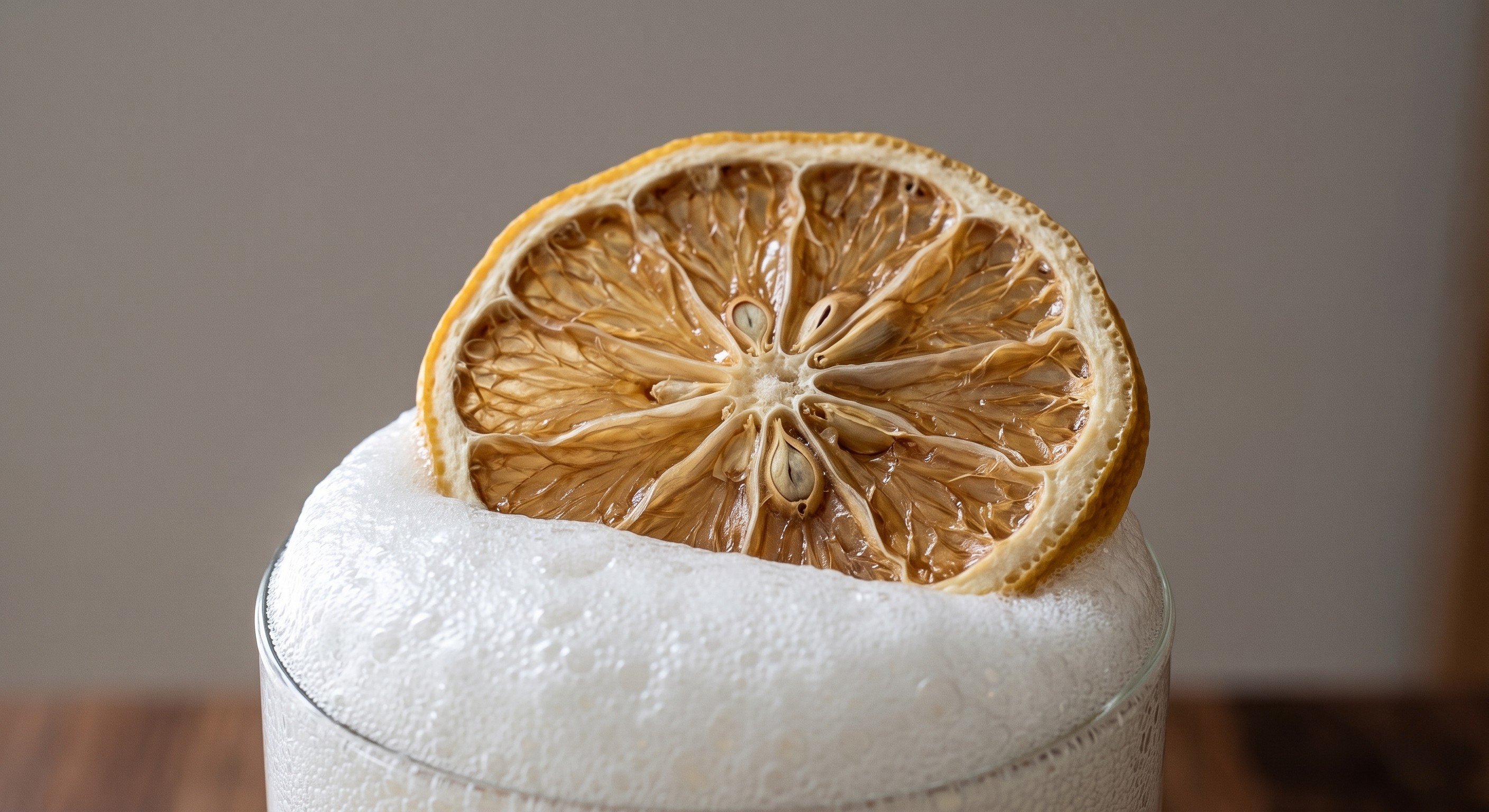
Glass & Garnish
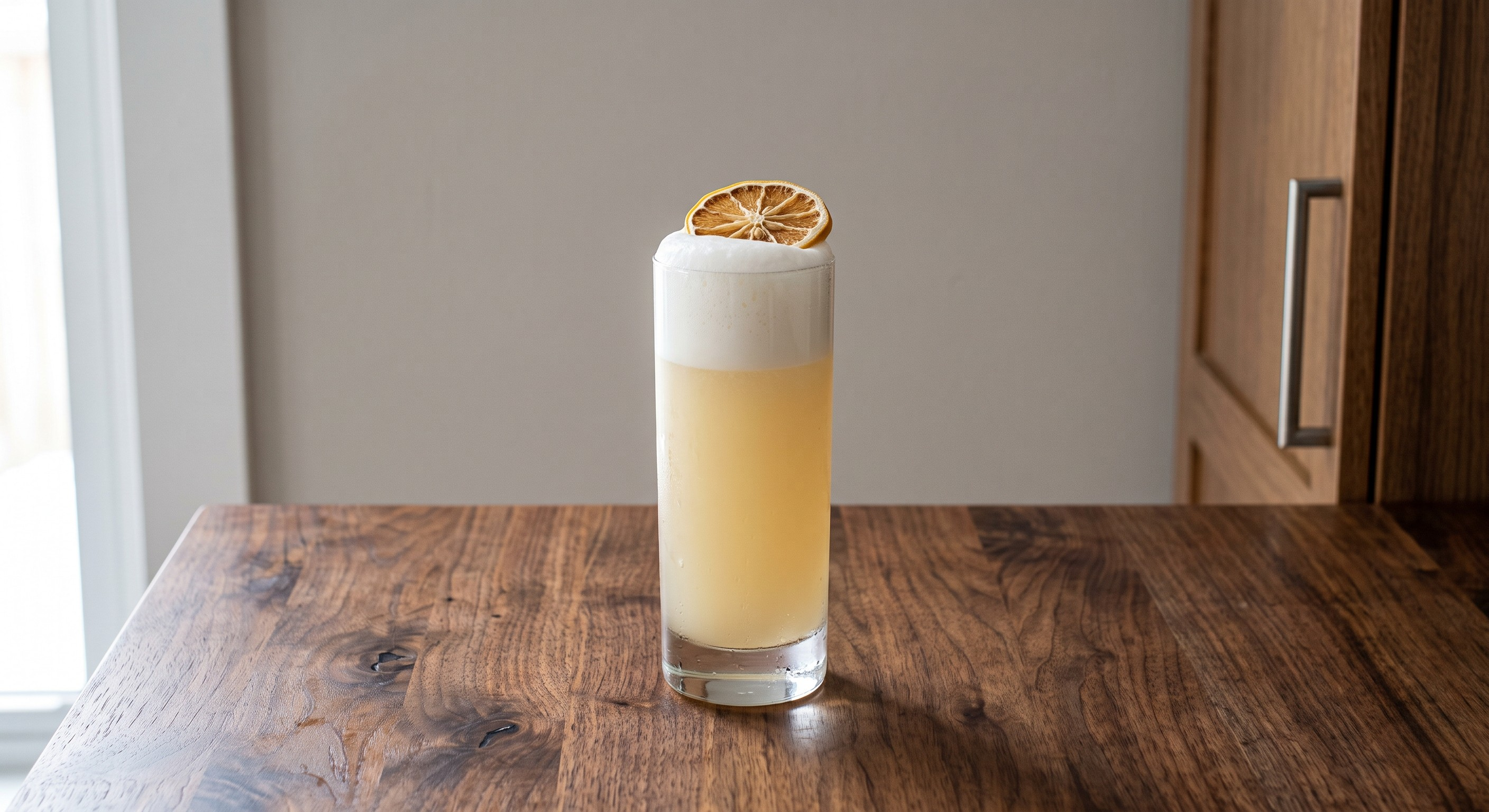
Fizz glass, no ice. Garnish with an orange wheel.
Notes
Uses raw egg white — small salmonella risk, use pasteurized if that's a concern. Absinthe is a defining ingredient, not optional — a few dashes bring aniseed depth without overpowering the Scotch. Serve immediately. Pairs well with light savoury bites.
Tools Used
Affiliate links
As an Amazon Associate, Sipped Right earns commission from qualifying purchases made via links on this website, at no extra cost to you.
FAQ
- How do I scale a Morning Glory Fizz up for a party?
- Use the servings control above the ingredients to multiply the amounts, but shake each drink separately. The egg white needs a good dry shake followed by a shake with ice to build foam, and bigger batches do not whip as well. Add the soda to each glass at the end.
- Can I make a Morning Glory Fizz without absinthe?
- The absinthe is a defining ingredient, so it is worth keeping. A few dashes add aniseed depth without overpowering the Scotch. If you really need a substitute, a small rinse of another anise spirit can stand in, though the character will change a little.
- What's the best Scotch for a Morning Glory Fizz?
- A smooth blended Scotch is the best fit, and it is what the recipe calls for. Its gentle malt and light smoke work with lemon and absinthe. A heavily peated single malt can overwhelm the delicate balance, so save it for sipping neat.
- Does a Morning Glory Fizz need a garnish?
- It is a finishing touch rather than a necessity. A lime wheel is used here, and the drink is served in a fizz glass with no ice. The foam and the pale color are the main visual feature, so the drink still looks right without it.
- What's the origin of the Morning Glory Fizz?
- It first appears in Harry Johnson's 1882 New and Improved Bartender's Manual as a morning hair-of-the-dog remedy. It is one of the well-documented 19th-century fizz recipes, even though it is relatively obscure today, so its earliest printed appearance is reasonably clear.