Gin · Sour · Citrusy
White Lady Recipe
Gin's answer to the Sidecar — crisp, sharp, and effortlessly elegant in just three ingredients. Bone-dry gin, sweet orange liqueur and a sharp hit of lemon meet in a drink built for the first sip of the evening — polished enough for a pre-dinner cocktail hour, simple enough to mix in seconds.
- Prep Time
- 2 min
- Method
- Shaken
- Glass
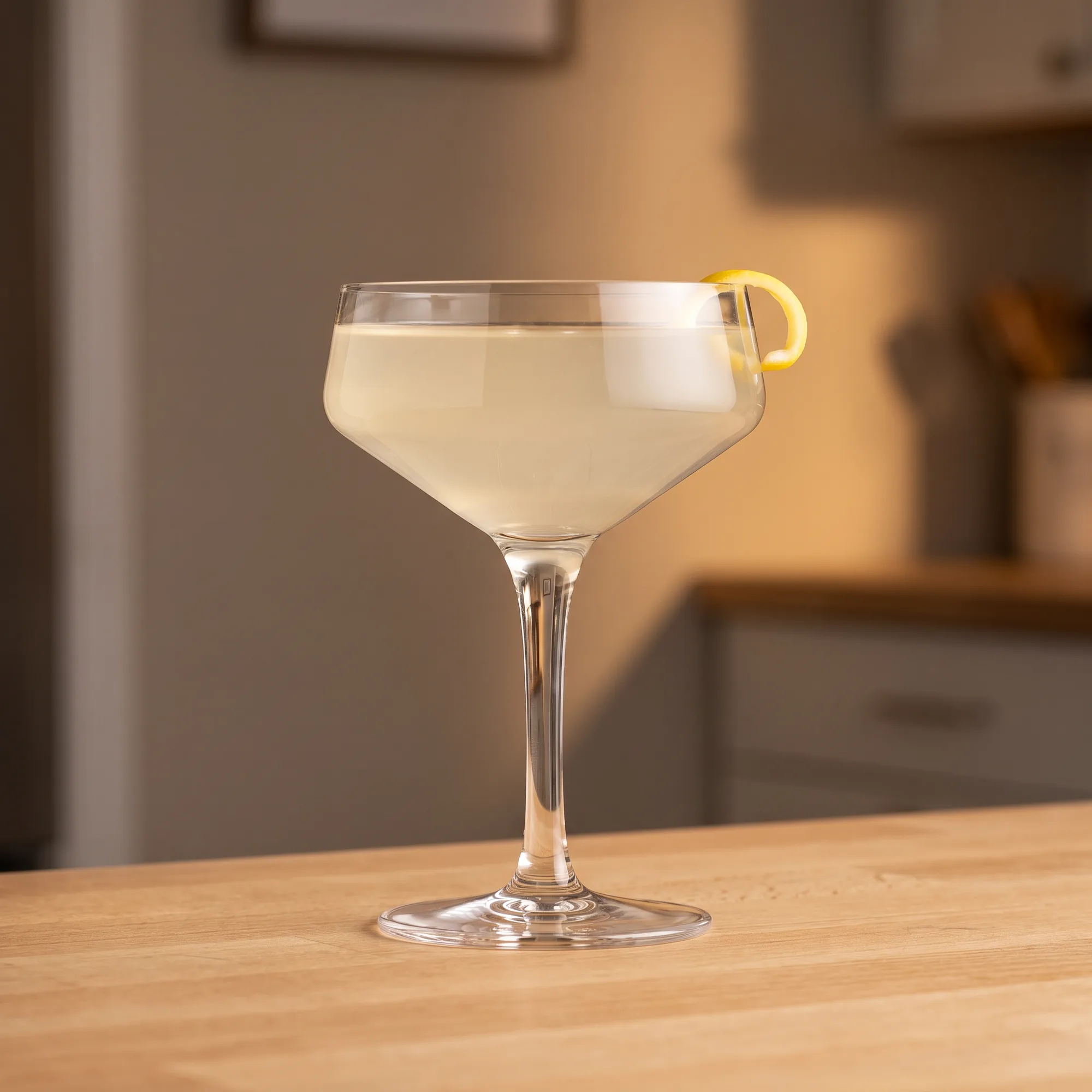
- Coupe glass
- Strength
- Balanced
Every recipe on Sipped Right is tested for taste and balance before it's published.
Last updated November 16, 2026
About the White Lady
The White Lady was created in 1919 by bartender Harry MacElhone at Ciro's Club in London, where the original version combined crème de menthe, Cointreau and lemon juice into a pale green drink. Ten years later, running his own Harry's New York Bar in Paris, MacElhone replaced the crème de menthe with gin, producing the recipe served today and now firmly established as a classic.
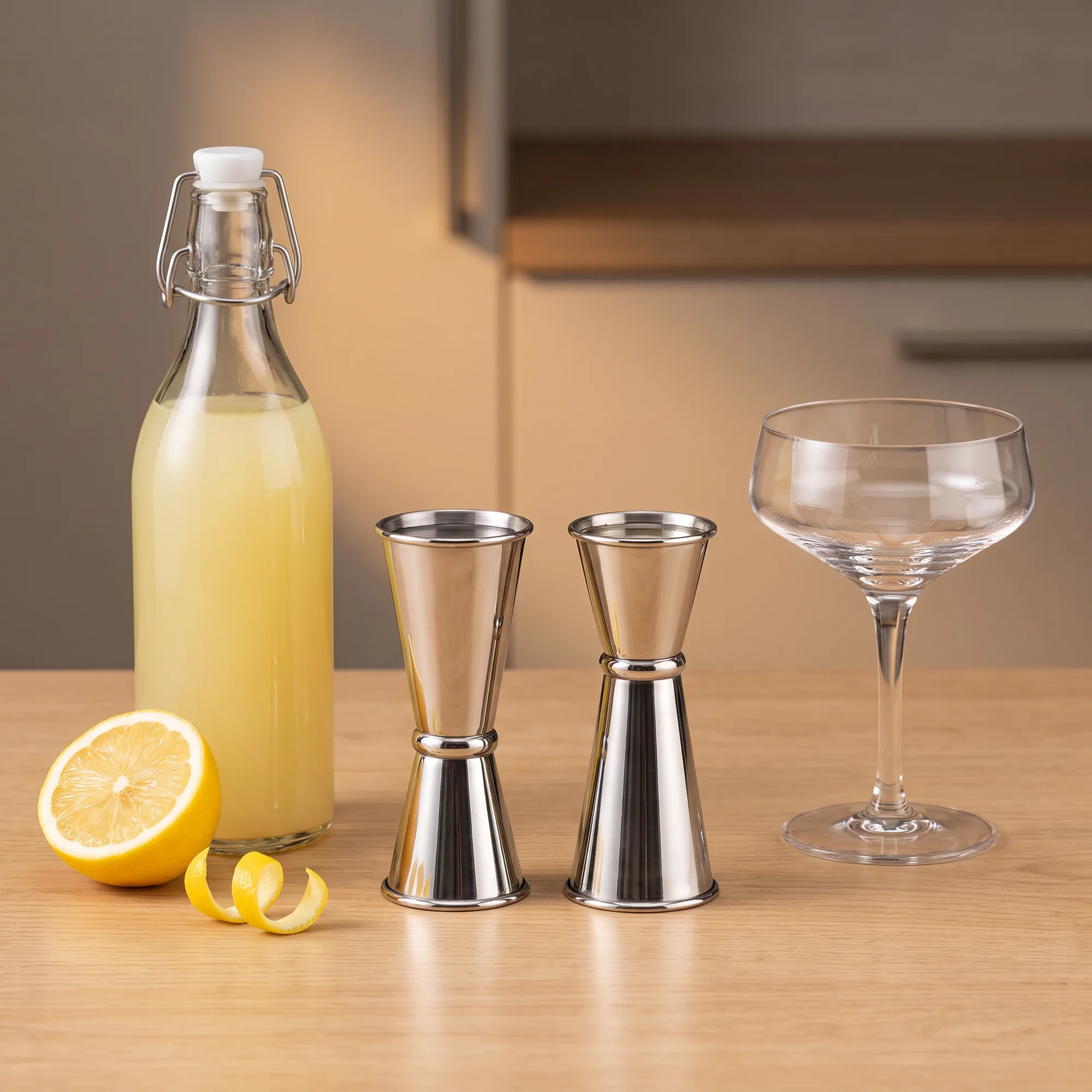
The White Lady follows a roughly 4:3:2 split of gin to Cointreau to fresh lemon juice, rounded here to jigger measures of 1.5 oz, 1 oz and ¾ oz — spirit, orange liqueur and citrus in careful balance. It's the same structural formula that defines the Sidecar (built on brandy instead of gin), making the two classics close cousins built on an identical backbone.
Ingredients
- London Dry Gin1 ½ oz
- Triple Sec (Cointreau)1 oz
- Fresh lemon juice¾ oz
- Lemon peel, for garnish1 twist
Method
- Juice the lemons.
- Measure and pour the gin, Cointreau and fresh lemon juice into the shaker tin.
- Add a scoop of ice to the shaker tin.
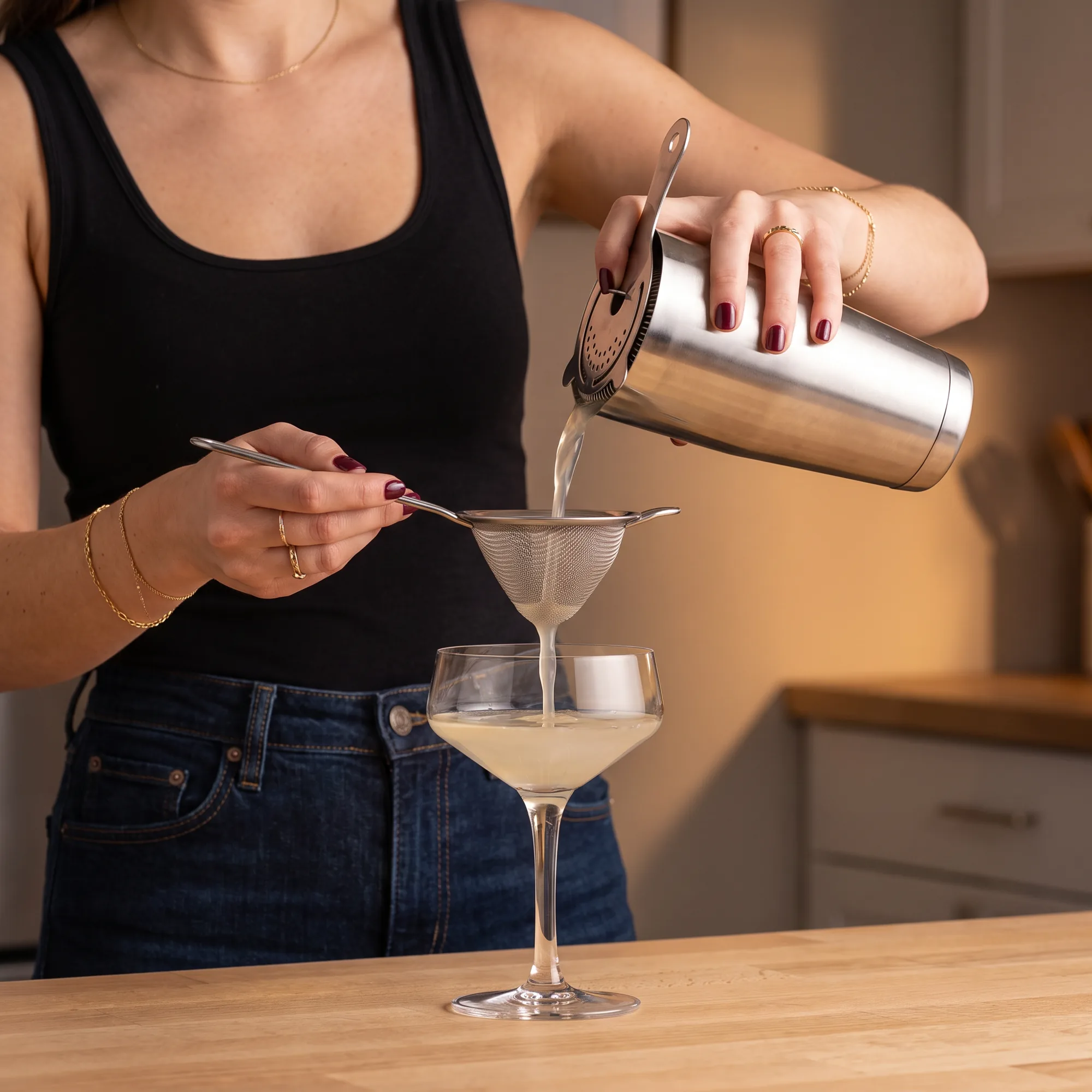
- Shake for 15 seconds.
- Fine-strain the cocktail into a chilled coupe glass.
- Cut a twist of lemon peel for the garnish.
- Express the lemon peel over the cocktail and drop it in.
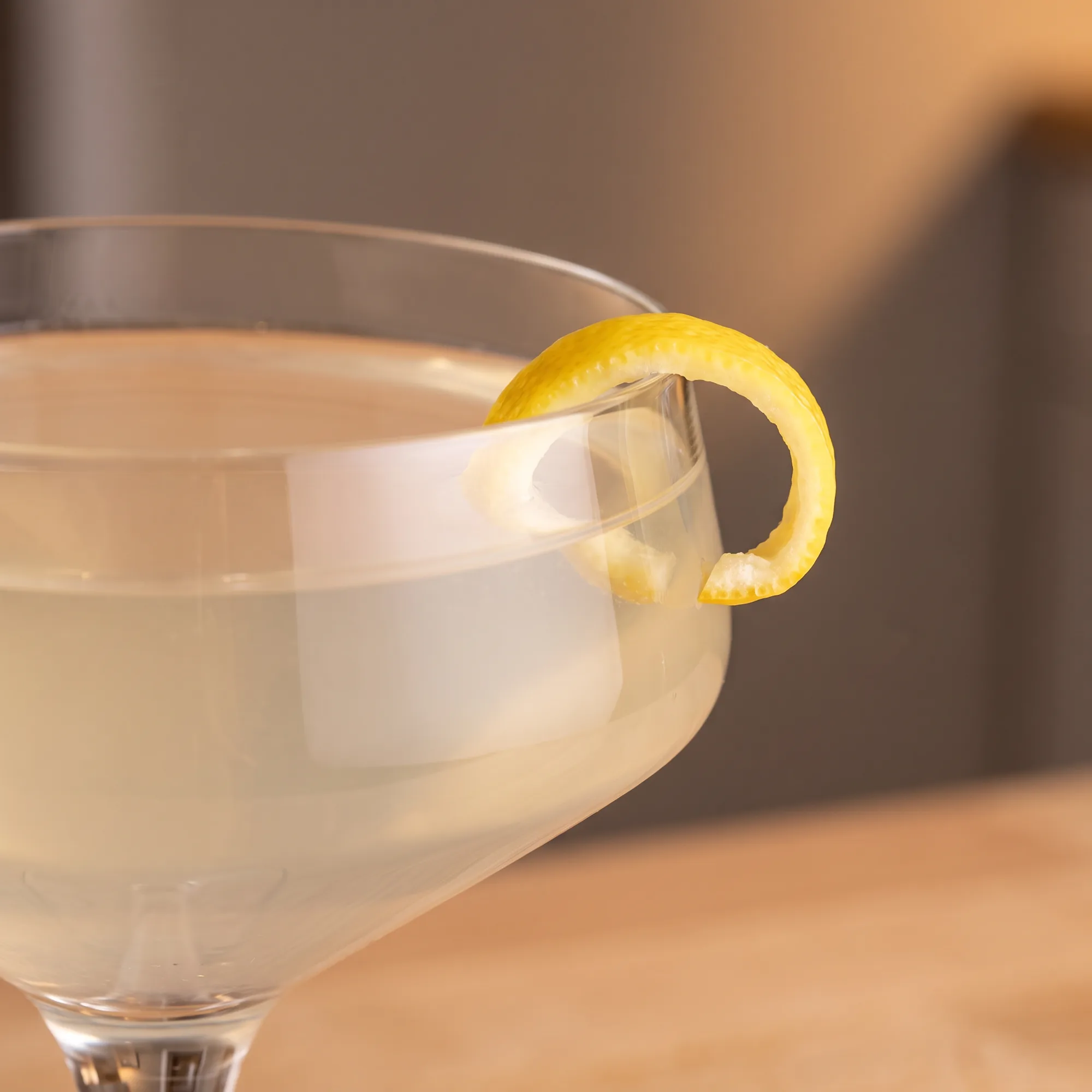
Glass & Garnish
Coupe glass, chilled and served up. Garnish with a lemon twist, expressed over the drink. The traditional recipe calls for no garnish at all, but most modern bars finish it with the twist for aroma.
Notes
Made without egg white, as in the classic recipe. A popular modern variation adds one egg white, dry-shaken first, for a silkier, frothier texture — see FAQ. Also historically referred to as a "gin Sidecar."
Tools Used
Affiliate links
As an Amazon Associate, Sipped Right earns commission from qualifying purchases made via links on this website, at no extra cost to you.
FAQ
- Who created the White Lady cocktail?
- The White Lady was created in 1919 by bartender Harry MacElhone at Ciro's Club in London, originally built on crème de menthe, Cointreau and lemon juice. He reworked it with gin in 1929 at his own Harry's New York Bar in Paris, giving us today's classic.
- What gin should I use for a White Lady?
- A classic London Dry gin — something crisp and juniper-forward like Beefeater, Tanqueray or Hayman's — works best, since the White Lady's simple three-ingredient build puts the gin's character front and center. Avoid heavily botanical or citrus-forward contemporary gins, which can clash with the Cointreau and lemon.
- Can I substitute Cointreau with another triple sec?
- Yes — any quality dry orange liqueur works, though Cointreau is the classic choice and gives the cleanest, most balanced result. Cheaper triple secs tend to taste sweeter and less complex, so the drink will lean sweeter; if using one, consider a slightly smaller pour to keep the balance in check.
- What is the egg-white version of the White Lady?
- Many modern bars add one egg white and dry-shake the ingredients before adding ice, producing a silkier, frothier texture with a pale, cloud-like head. This version isn't part of the original recipe but became common within a decade of the drink's 1929 gin-based debut.
- What garnish goes on a White Lady?
- A simple twist of lemon peel, expressed over the drink to release its citrus oils before being perched on the rim or dropped in. No other garnish is traditional — the White Lady is meant to stay clean and minimal, letting the gin, Cointreau and lemon speak for themselves.
Related Cocktails
Gin
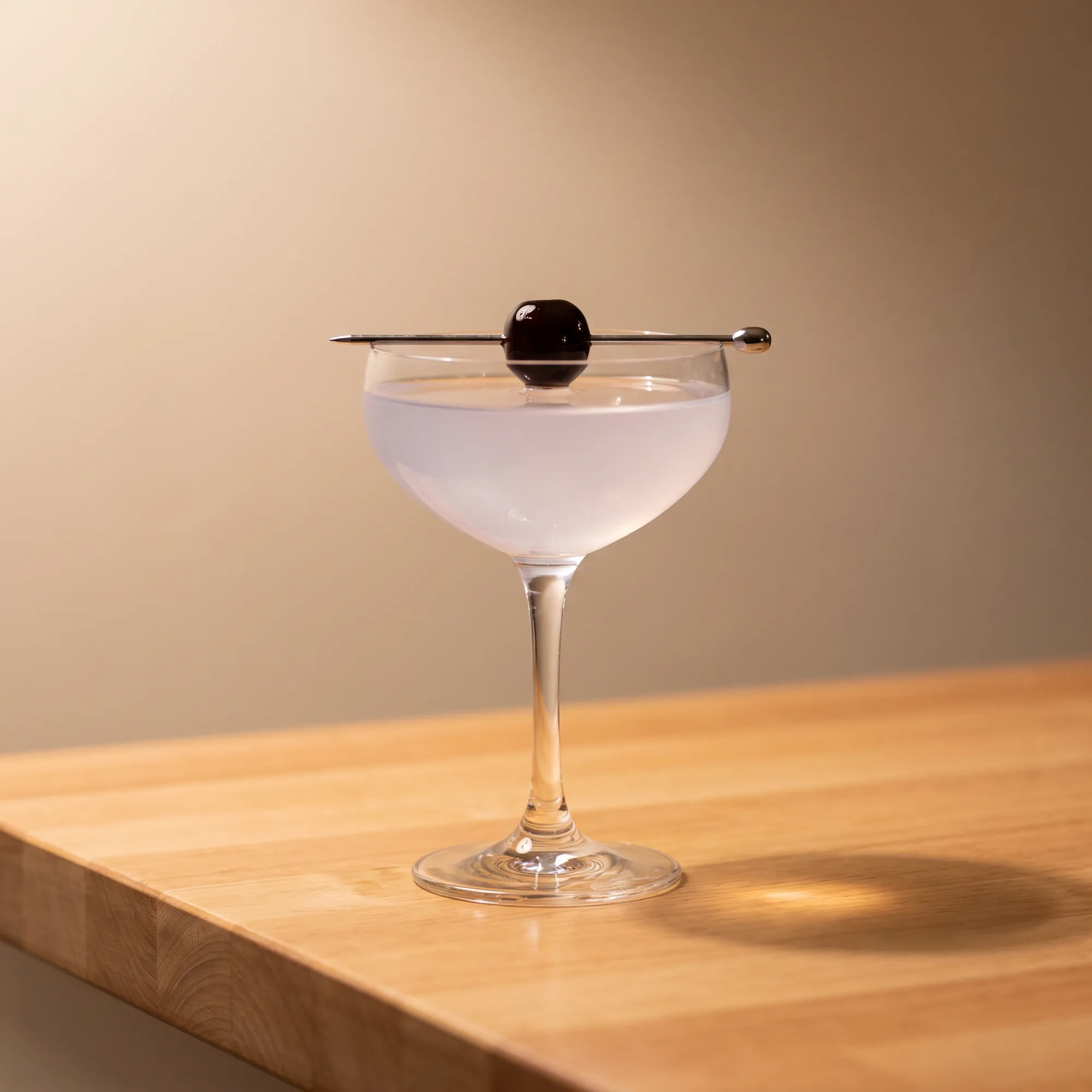
Aviation
A pre-Prohibition gin sour with a violet hue and a floral secret.
Gin
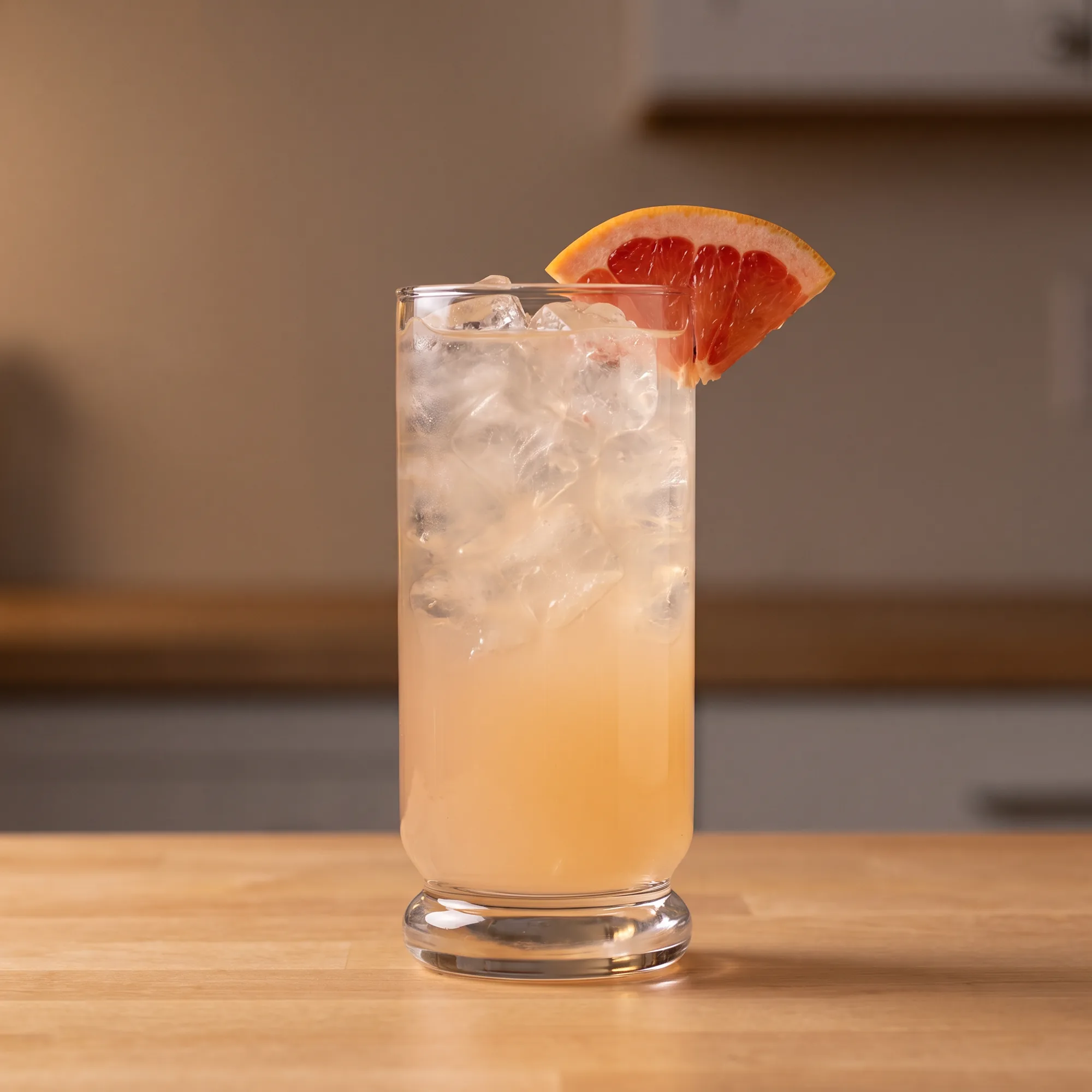
Greyhound
Gin and fresh grapefruit juice, built simple — the un-rimmed cousin of the Salty Dog.

Gin
Bronx
Gin and both vermouths meet fresh orange juice — a Prohibition-era classic named for the borough.
Gin
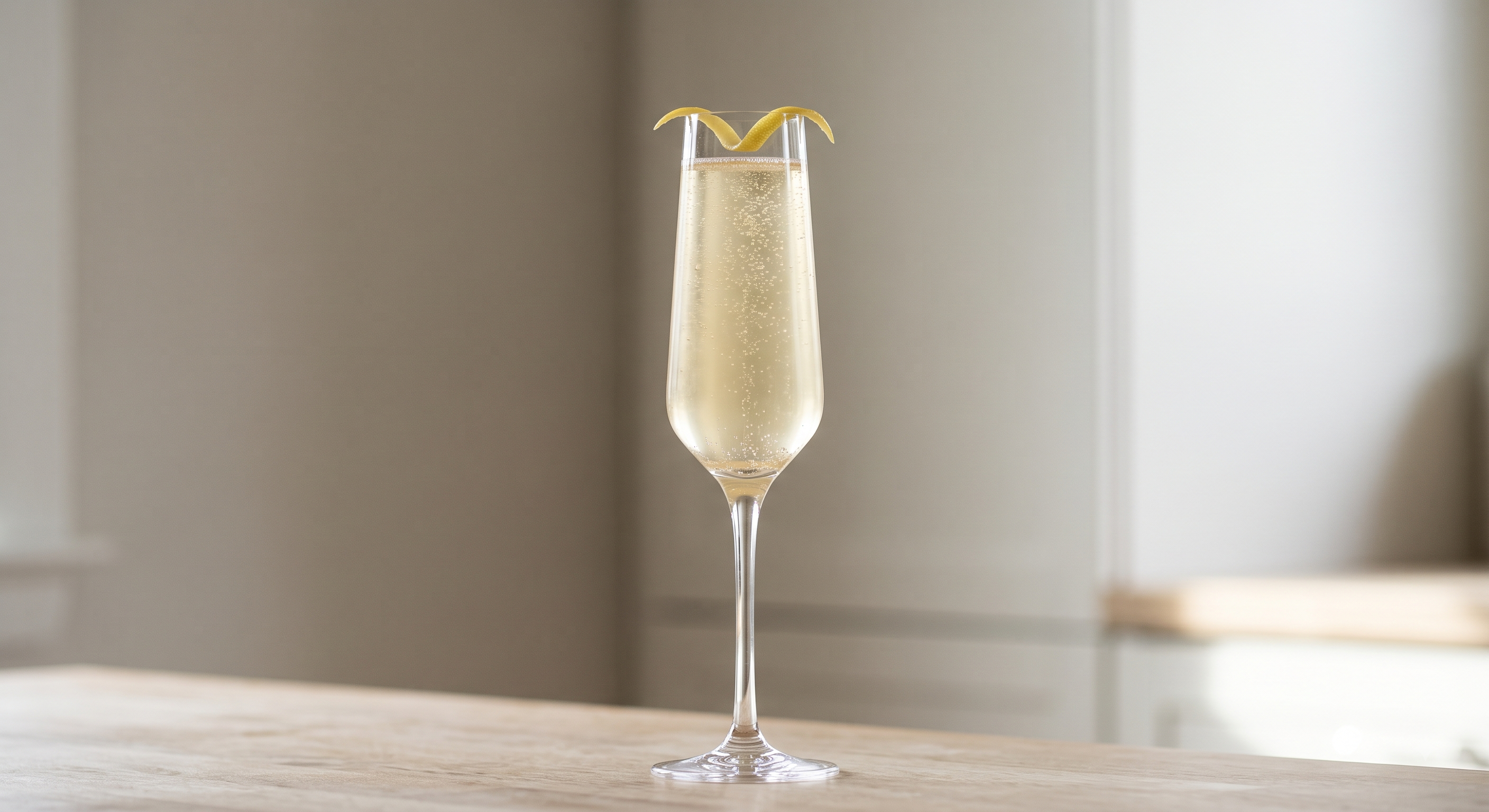
French 75
Named after a WWI field gun — for the kick a little Champagne adds to gin and lemon.
Gin
Gin Fizz
A Collins' shorter, foamier cousin — same bones, a proper shake, no dilution wasted.
Gin
Tom Collins
Tall, bright, and built for a warm evening — gin, lemon, soda, done.