
Brandy/Cognac · Classic · Sweet
Stinger Recipe
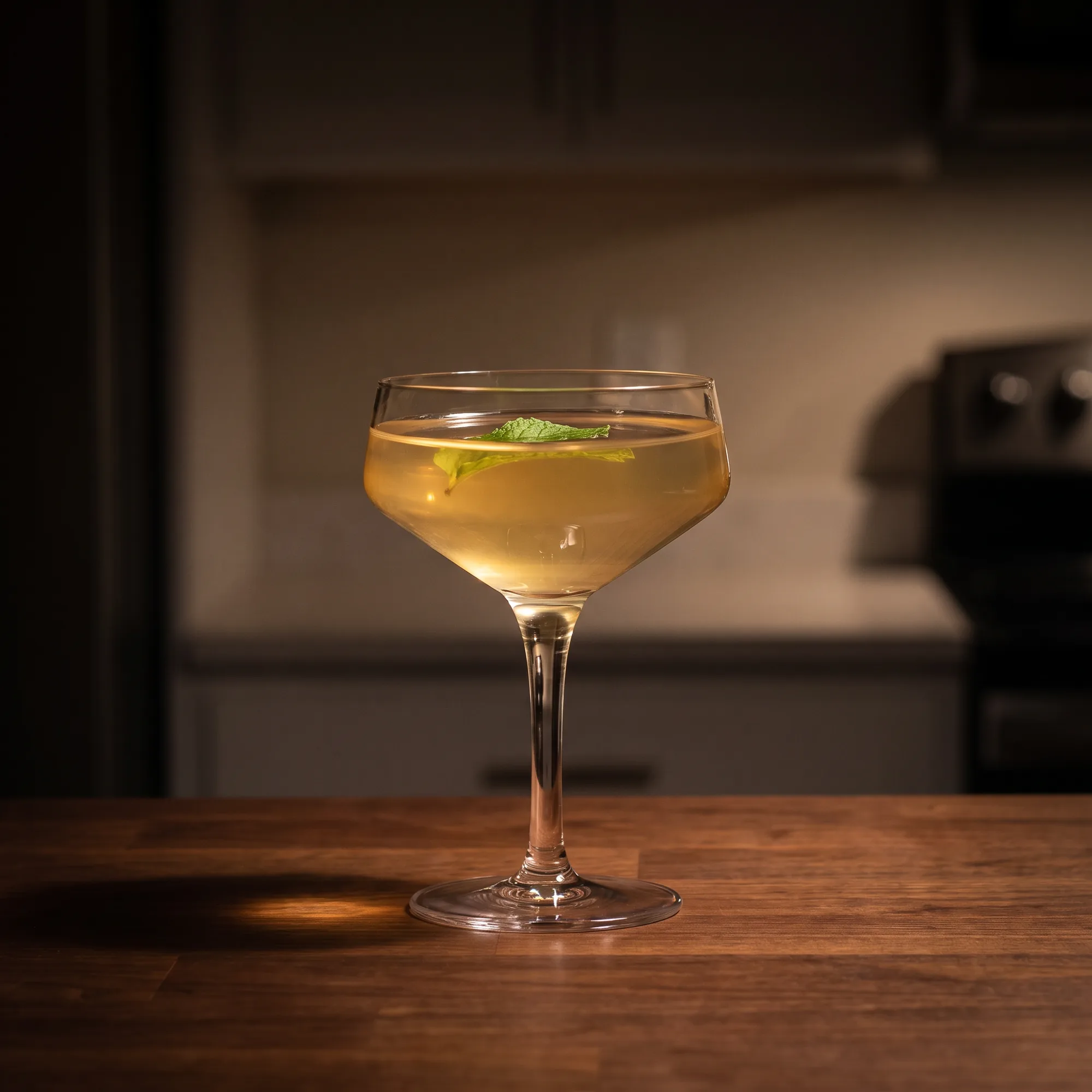
Two ingredients, one stir — cognac's warmth cut clean by cooling white crème de menthe. A digestif built from just two ingredients: cognac's brandy warmth up front, a cool wash of mint trailing behind it. Sip it slow after dinner, the way bartenders have poured it since the 1890s.
- Prep Time
- 1.5 min
- Method
- Stirred
- Glass
- Coupe glass
- Strength
- Spirit-forward
Every recipe on Sipped Right is tested for taste and balance before it's published.
Last updated November 16, 2026
About the Stinger
The Stinger is a two-ingredient cognac cocktail that first appeared in the United States in the 1890s, pairing cognac with white crème de menthe in a simple stirred build. It became especially popular during Prohibition, when the liqueur's strong mint could mask the rough edges of poor-quality bootleg brandy, and it stayed a fixture of American bars into the 1970s. The classic build is a firm pour of cognac to white crème de menthe, stirred and strained up into a chilled glass.
The classic pour runs about 2.5 to 3 parts cognac to 1 part white crème de menthe — enough mint liqueur to perfume the drink without turning it into a dessert. That's what separates the Stinger from the Brandy Alexander, another cognac-and-liqueur duo: the Alexander's near-equal parts of crème de cacao and cream make it rich and sweet, while the Stinger's lopsided ratio keeps cognac firmly in charge and the mint working as an accent, not a co-star.
Ingredients
- Cognac2 oz
- White crème de menthe¾ oz
- Fresh mint leaf, for garnish1 leaf
Method
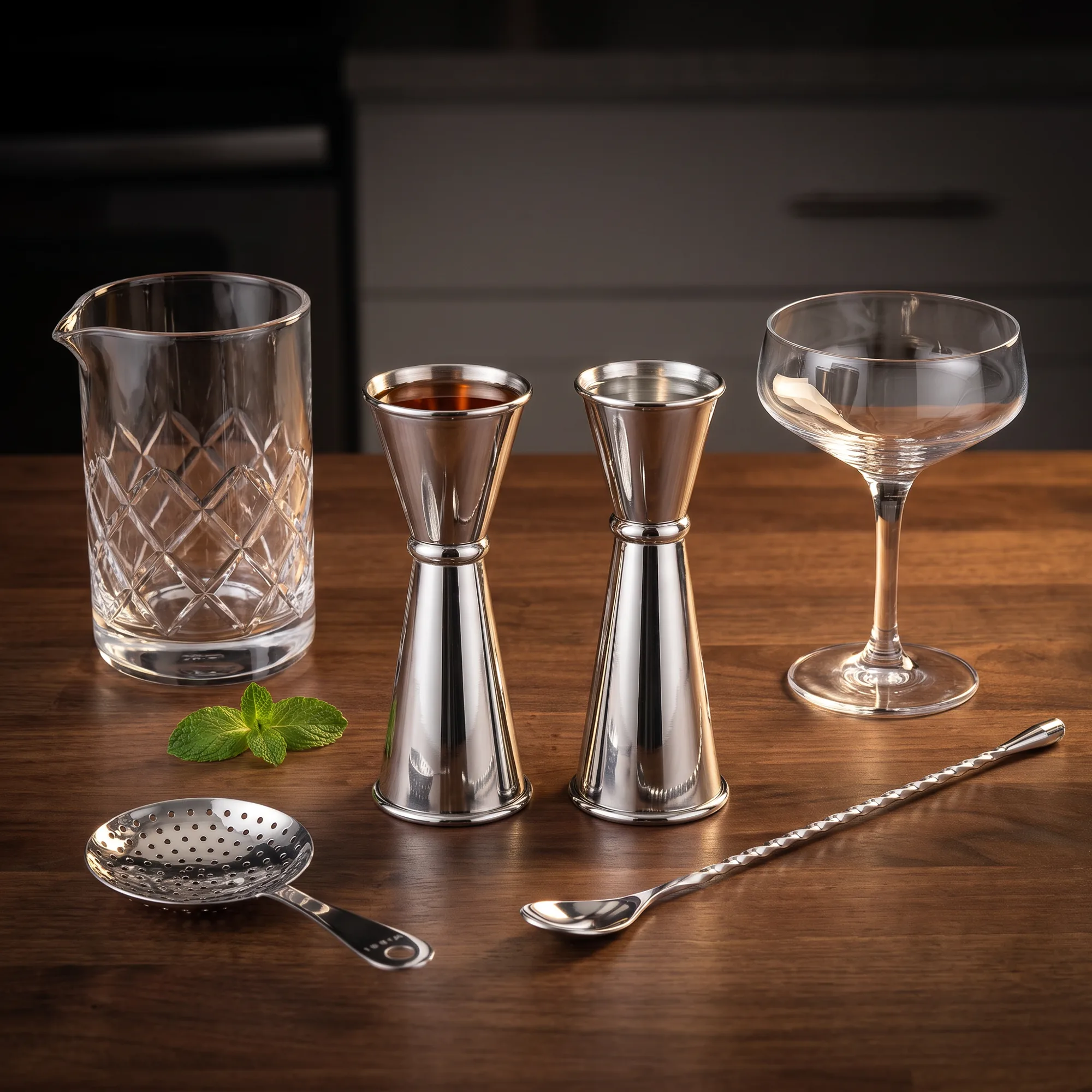
- Measure and pour the cognac and white crème de menthe into the mixing glass.
- Add a scoop of ice to the mixing glass.
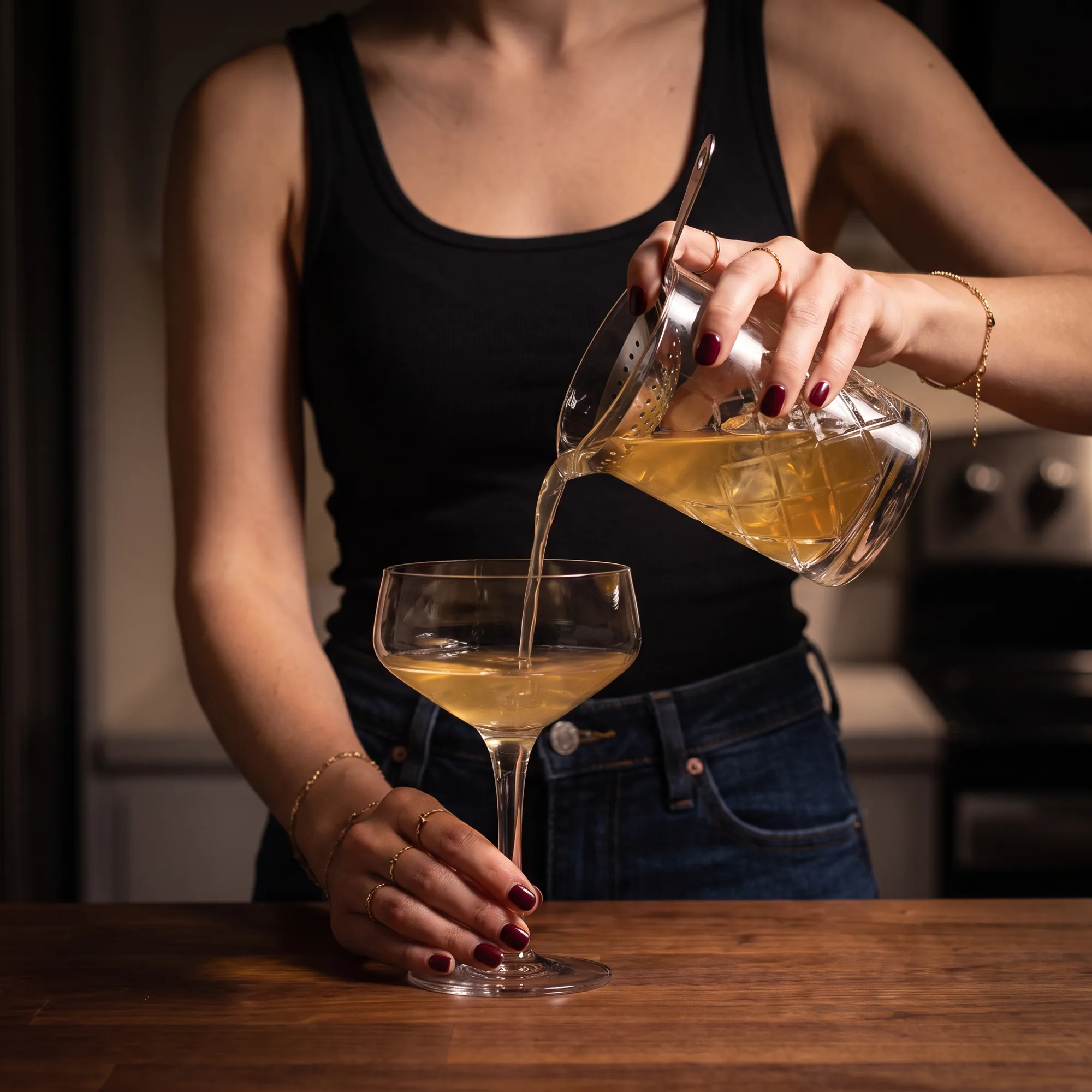
- Stir for 30 seconds.
- Strain the cocktail into a chilled coupe glass.
- Pick a fresh mint leaf.
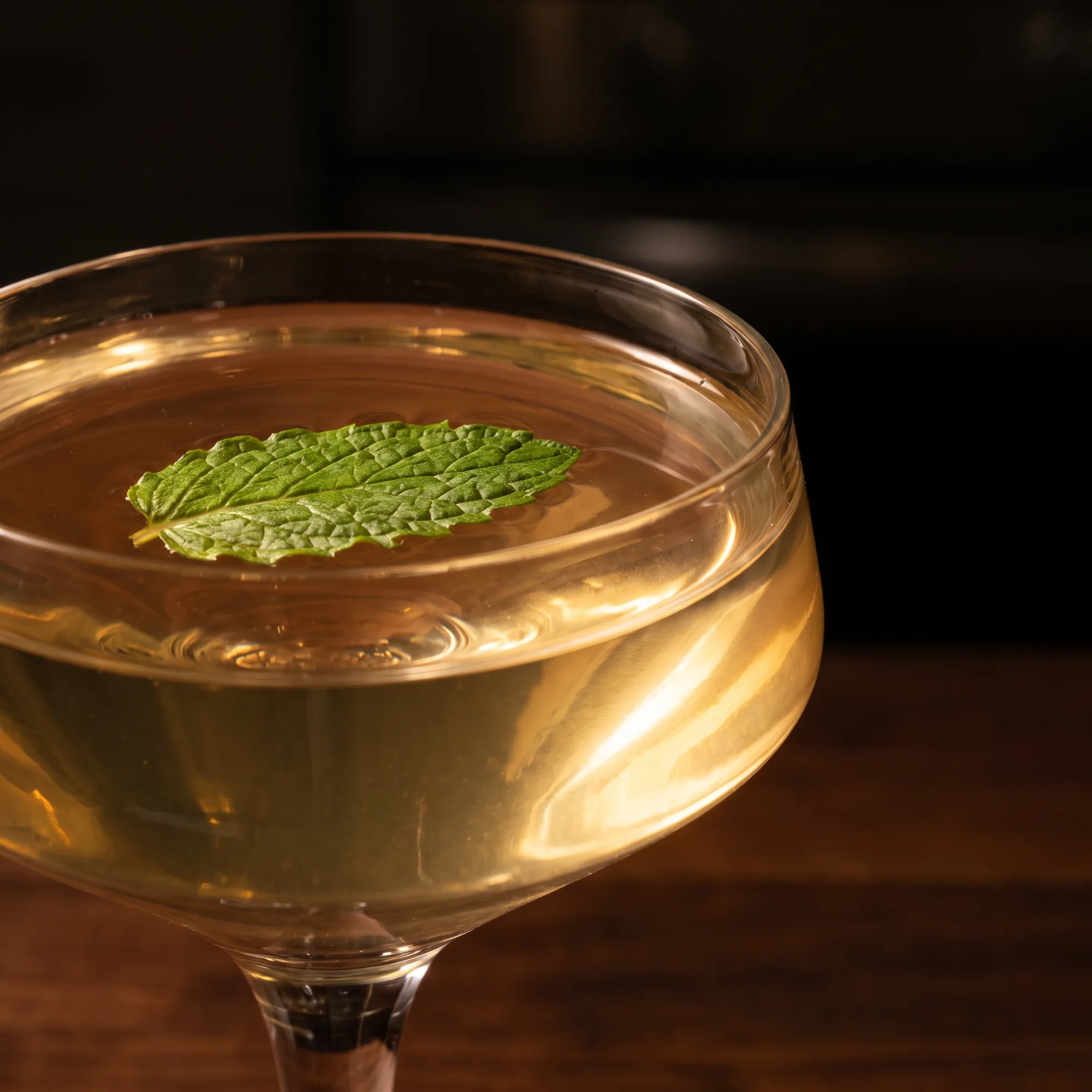
- Float the mint leaf on the surface of the drink.
Glass & Garnish
Coupe glass, stirred and served up with no ice in the glass — the stir does the chilling and light dilution, so the drink arrives cold and clean rather than watered down. Garnish with a fresh mint leaf floated on the surface, echoing the crème de menthe already in the glass. It's optional by classic convention, but it gives a clear signal of what's coming in the first sip, and it dresses up a drink that's otherwise just two pale, near-clear spirits in a glass.
Notes
Crème de menthe must be the clear white variety, not green, to keep the drink's classic pale gold color. Scales cleanly for batching since it's just two spirits stirred with ice — no juice or dairy to spoil ahead of time.
Tools Used
Affiliate links
As an Amazon Associate, Sipped Right earns commission from qualifying purchases made via links on this website, at no extra cost to you.
FAQ
- How do I batch a Stinger for a party?
- Yes — scale both ingredients up evenly and combine them ahead of time in a bottle. Because a Stinger is stirred rather than shaken, you can pre-batch the full cognac-and-crème-de-menthe mix and simply pour it over ice to stir fresh whenever a guest orders one, with no juice to spoil.
- Can I use green crème de menthe instead of white?
- You can, flavor-wise, but it changes the look — green crème de menthe turns the drink bright green instead of the classic pale gold a Stinger should be. White (clear) crème de menthe is the traditional choice, and it's what keeps the color true to the original recipe.
- What's the best cognac for a Stinger?
- A VS or VSOP cognac works best for a Stinger — the crème de menthe is assertive enough on its own that you don't need to spend extra on an older, more nuanced bottle. Save a well-aged XO cognac for sipping neat, where its complexity actually gets to shine.
- What is a Vodka Stinger?
- Swap the cognac for vodka and you get a Vodka Stinger (sometimes called a White Stinger) — a lighter, more neutral spin that lets the crème de menthe's mint lead the drink instead of playing off cognac's dried-fruit richness and warmth.
- Why is it called a Stinger?
- The name likely nods to the sharp mint 'sting' that crème de menthe leaves on the finish. The drink dates to 1890s America and became especially popular during Prohibition, when the strong mint flavor helped mask the rough edges of poor-quality bootleg cognac being served in speakeasies.
Related Cocktails
Brandy/Cognac
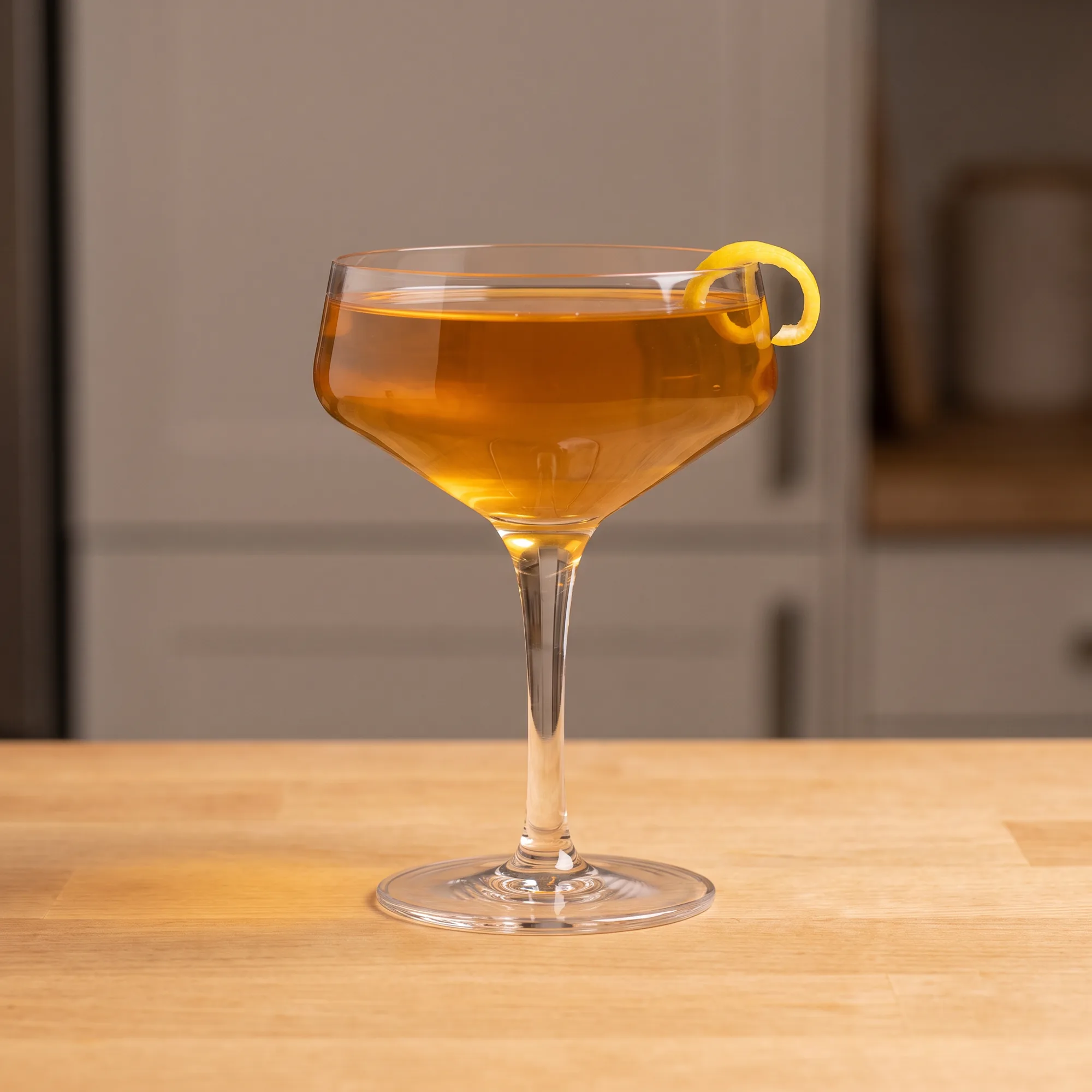
Sidecar
Cognac, orange liqueur, and lemon juice shaken tight — a Jazz Age classic with real bite.
Aperitif/Liqueur
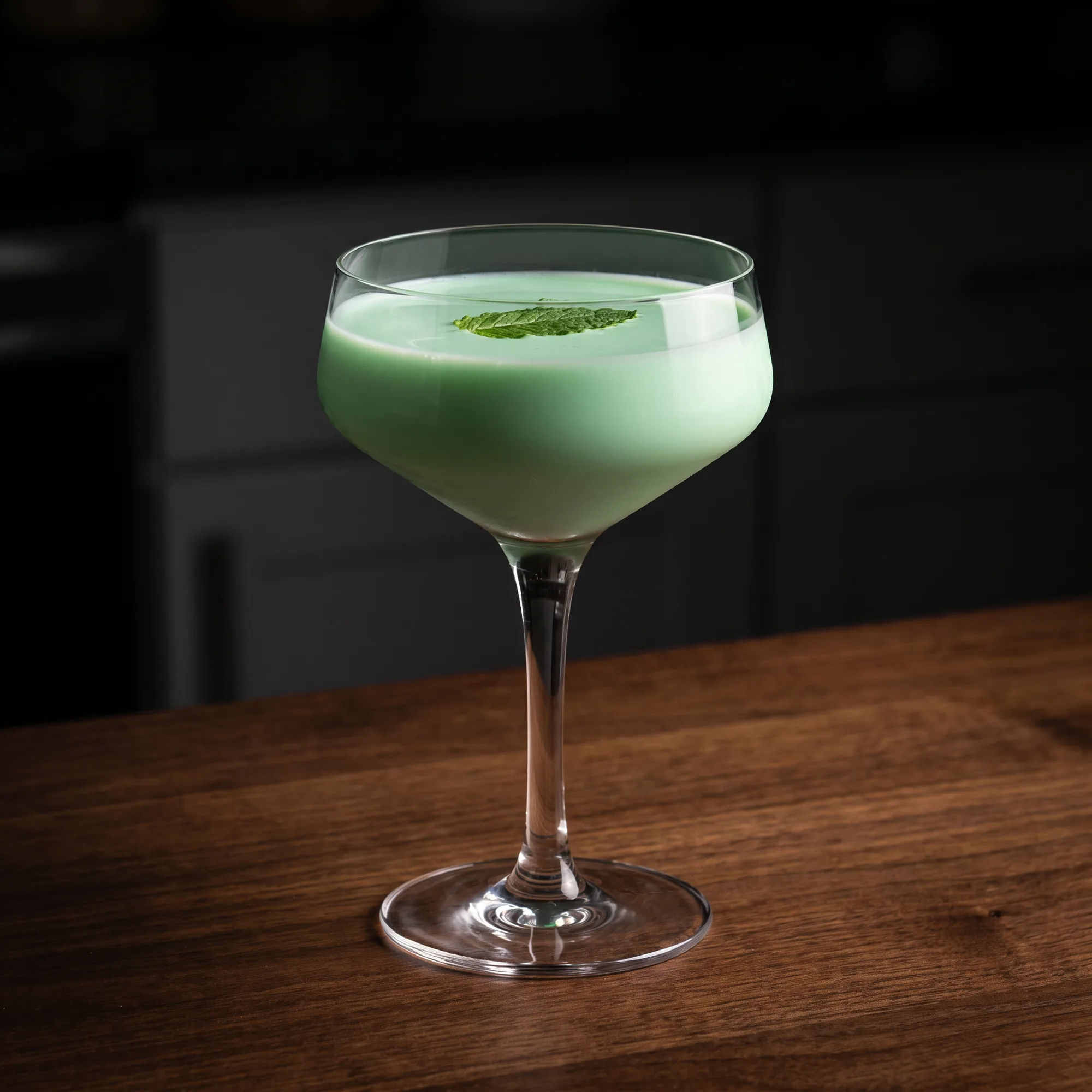
Grasshopper
Mint and chocolate, whipped smooth with cream — a 1918 New Orleans dessert in a glass.
Brandy/Cognac
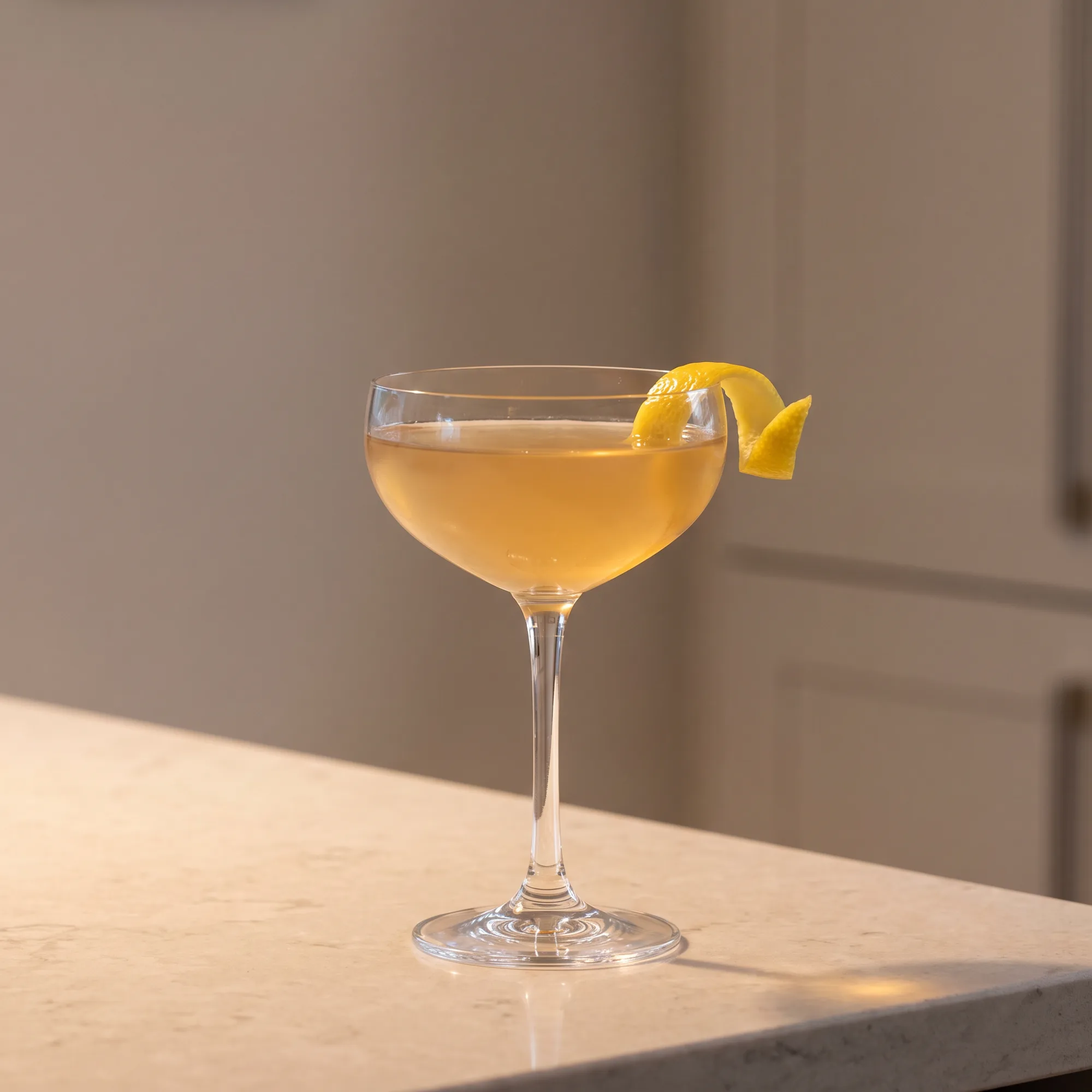
Between the Sheets
Three spirits, one lemon, zero apologies — this is the sour for people who think Sidecars play it too safe.
Brandy/Cognac
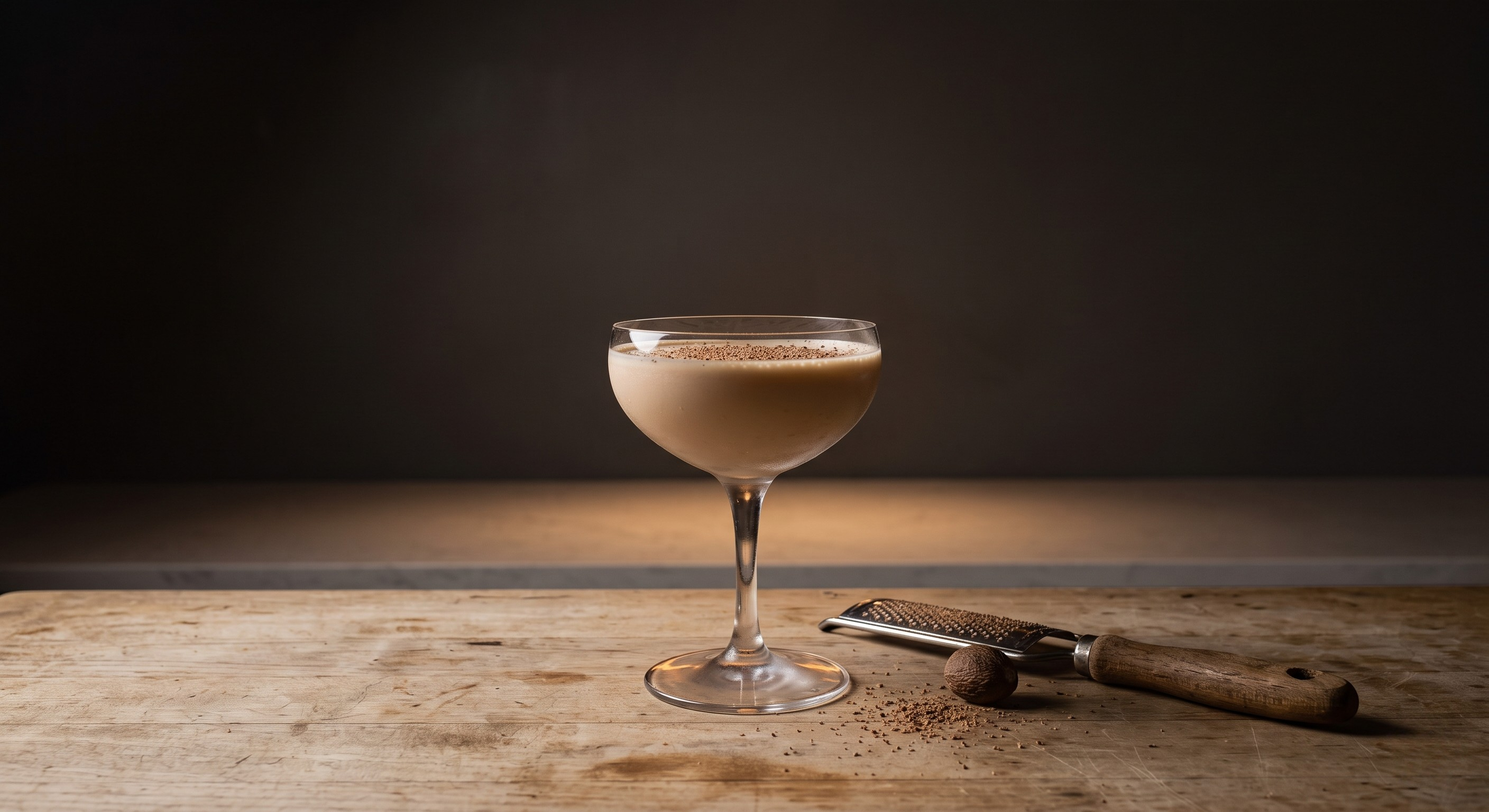
Brandy Alexander
A dessert in a coupe glass — cognac, chocolate, and cream in equal, easy balance.