Brandy/Cognac · Sour · Sour
Sidecar Recipe
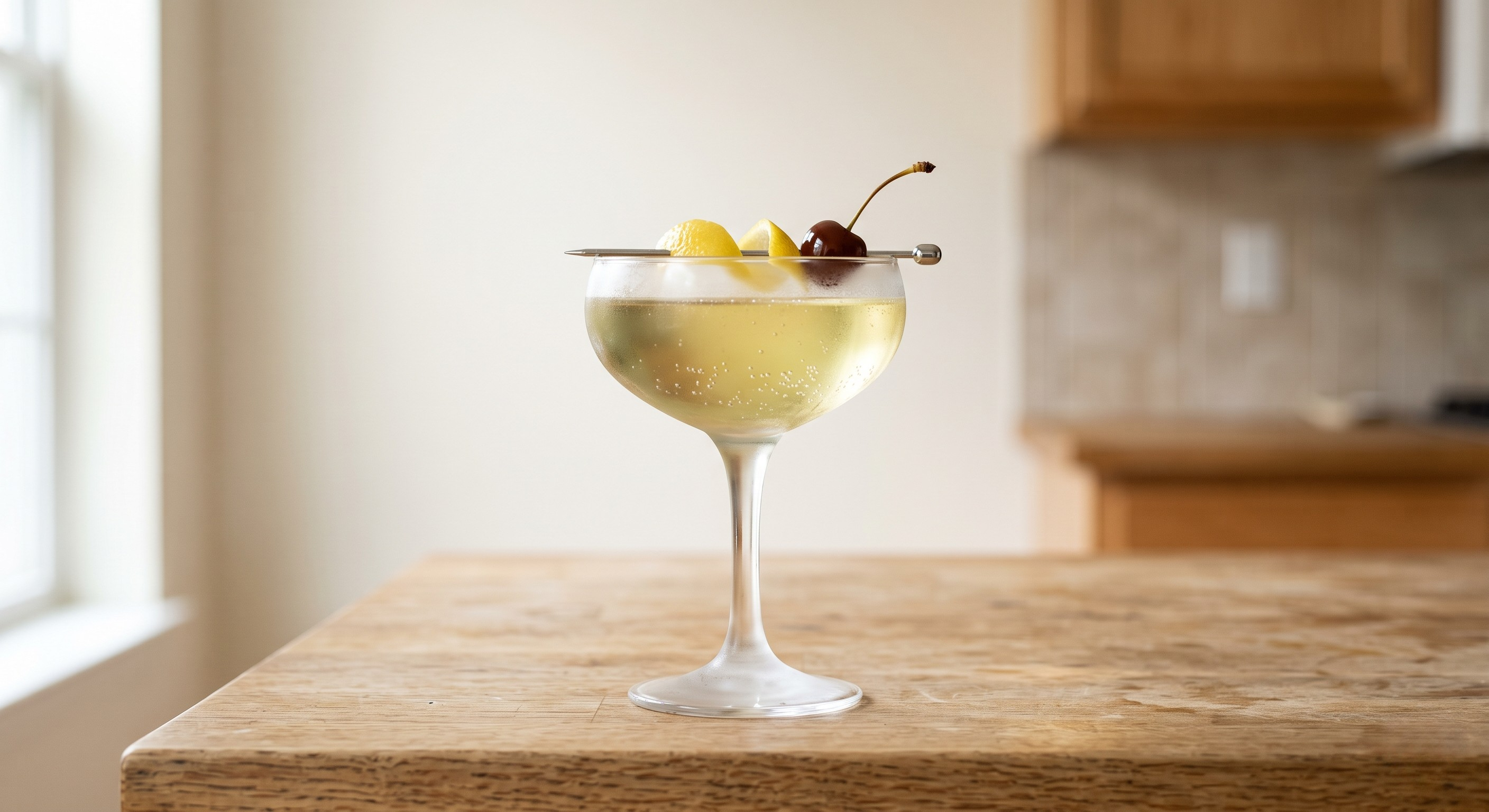
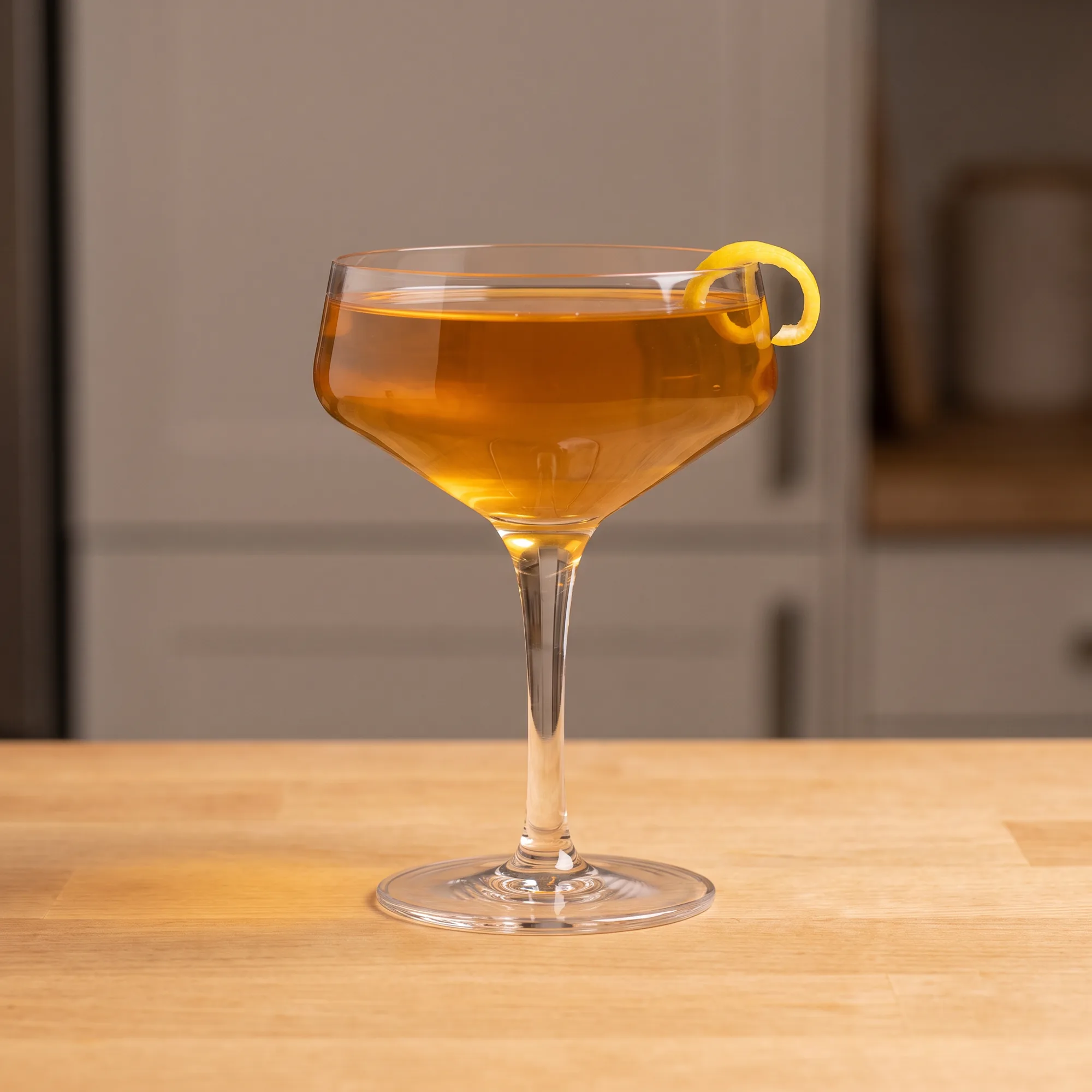
Cognac, orange liqueur, and lemon juice shaken tight — a Jazz Age classic with real bite. Bright, citrus-forward and properly boozy, the Sidecar is a Jazz Age classic built for slow sipping — cognac's dried-fruit warmth against clean citrus snap.
- Prep Time
- 2 min
- Method
- Shaken
- Glass
- Serve up in a chilled coupe glass
- Strength
- Spirit-forward
Every recipe on Sipped Right is tested for taste and balance before it's published.
Last updated November 16, 2026
About the Sidecar
The Sidecar is a shaken cognac sour first published in 1922 in Robert Vermeire's Cocktails: How to Mix Them and Harry MacElhone's Harry's ABC of Mixing Cocktails, which credited bartender Pat MacGarry of London's Buck's Club — though MacElhone's own Paris bar, Harry's New York Bar, did as much as anyone to make it famous. It takes its name from the motorcycle sidecar an American army captain reportedly arrived in before ordering a drink to warm up. The earliest recipes split cognac, orange liqueur and lemon in equal parts; Harry Craddock's 1930 Savoy Cocktail Book tightened that to two parts cognac against one each of the other two, the ratio most bars pour today. The Hôtel Ritz Paris also claims a hand in its invention, though most cocktail historians still point to Buck's Club and MacElhone's bar as the more credible birthplaces.
The 2:1:1 cognac-to-orange-liqueur-to-lemon ratio is what turns three sharp ingredients into a balanced sour — enough cognac to stay spirit-forward, with the orange liqueur's sweetness and the lemon's acidity checking each other exactly. The original 1920s recipe ran equal parts before the Savoy's 1930 version tightened it to 2:1:1, and that same skeleton — spirit, orange liqueur, lemon, all in that ratio — is what the Sidecar shares with the White Lady, its gin-based cousin.
Ingredients
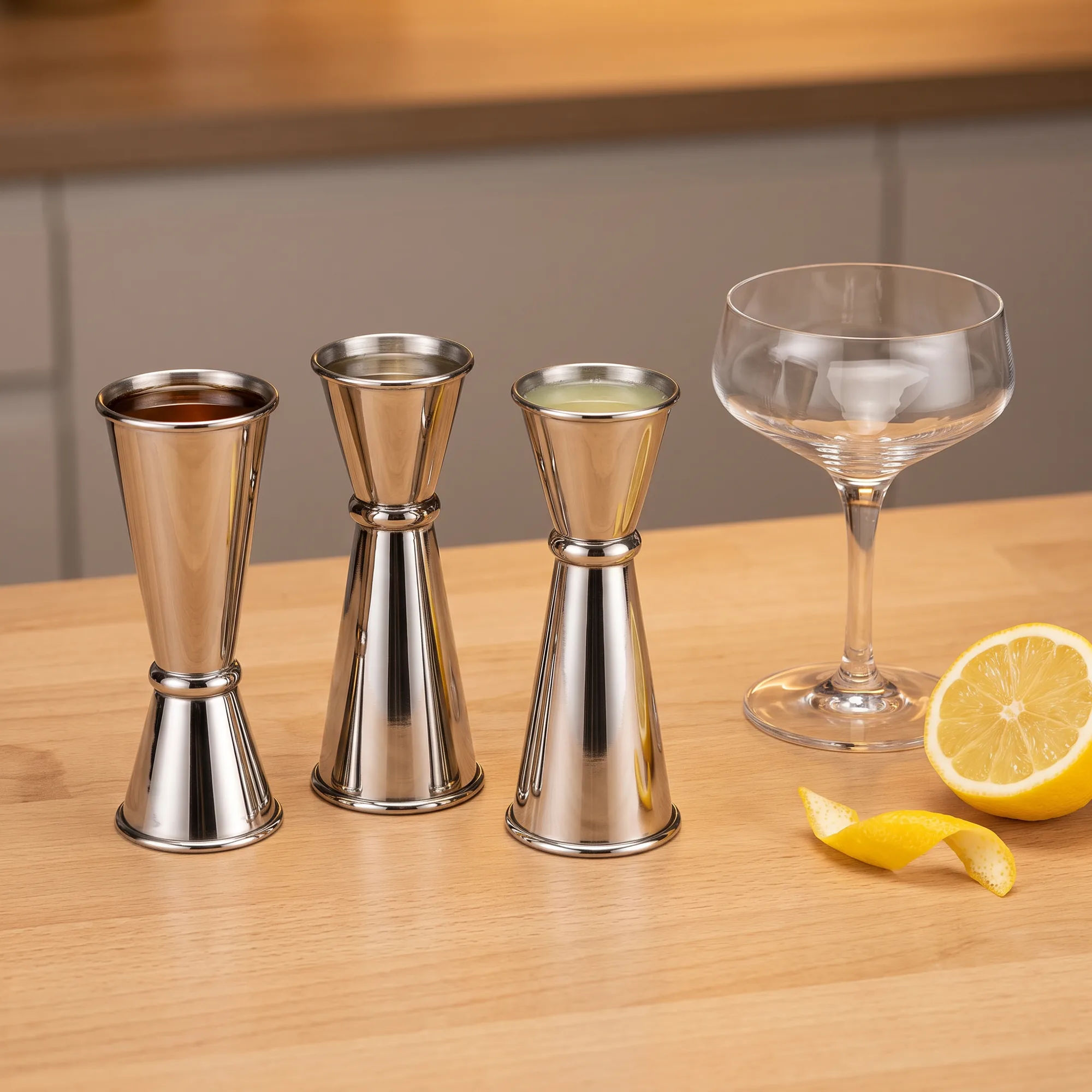
- Cognac2 oz
- Triple sec (Cointreau)¾ oz
- Fresh lemon juice¾ oz
- Lemon peel, for garnish1 twist
Method
- Juice the lemons.
- Measure and pour the cognac, triple sec and lemon juice into the shaker tin.
- Add a scoop of ice to the shaker tin.
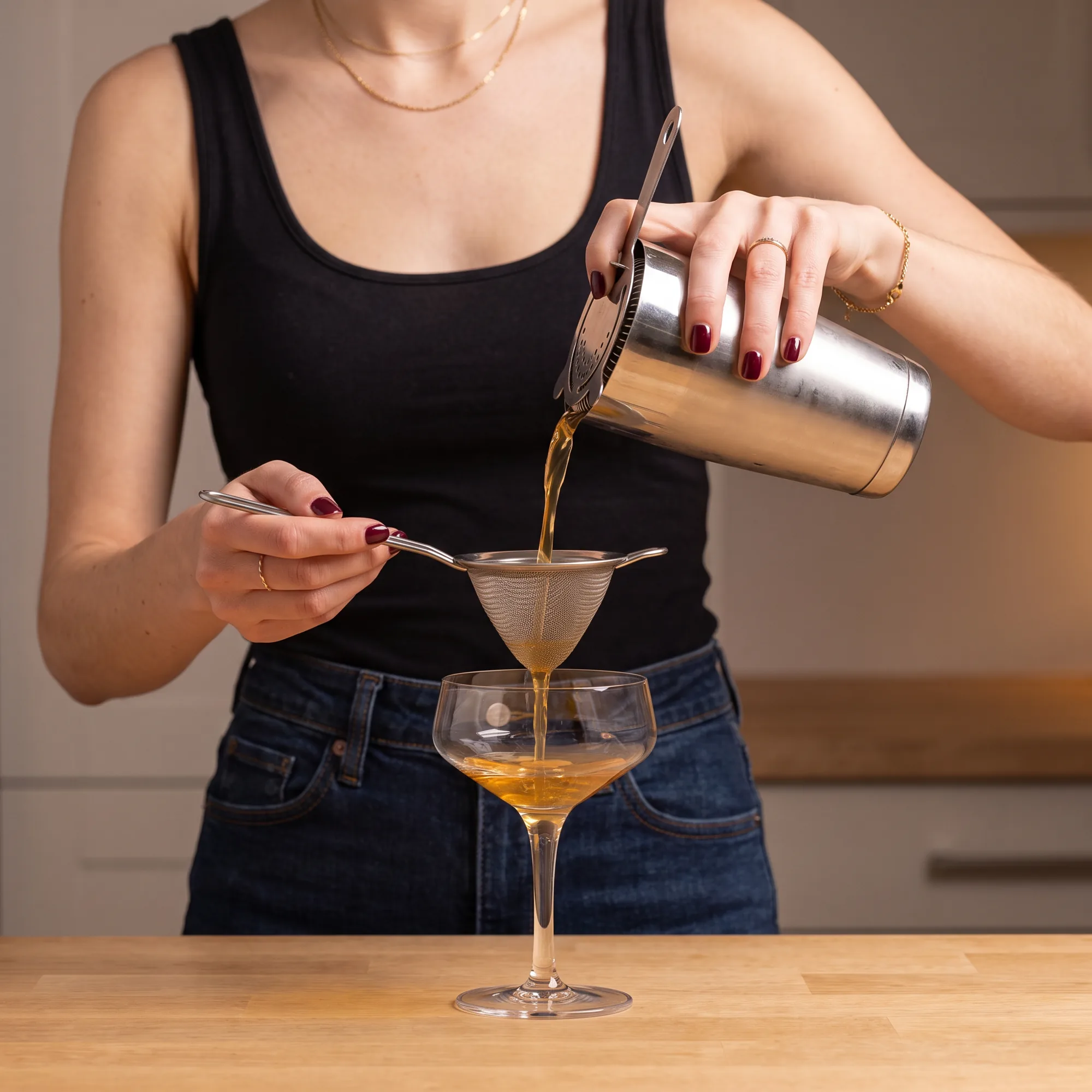
- Shake for 15 seconds.
- Fine-strain the cocktail into a chilled coupe glass.
- Cut a swath of lemon peel.
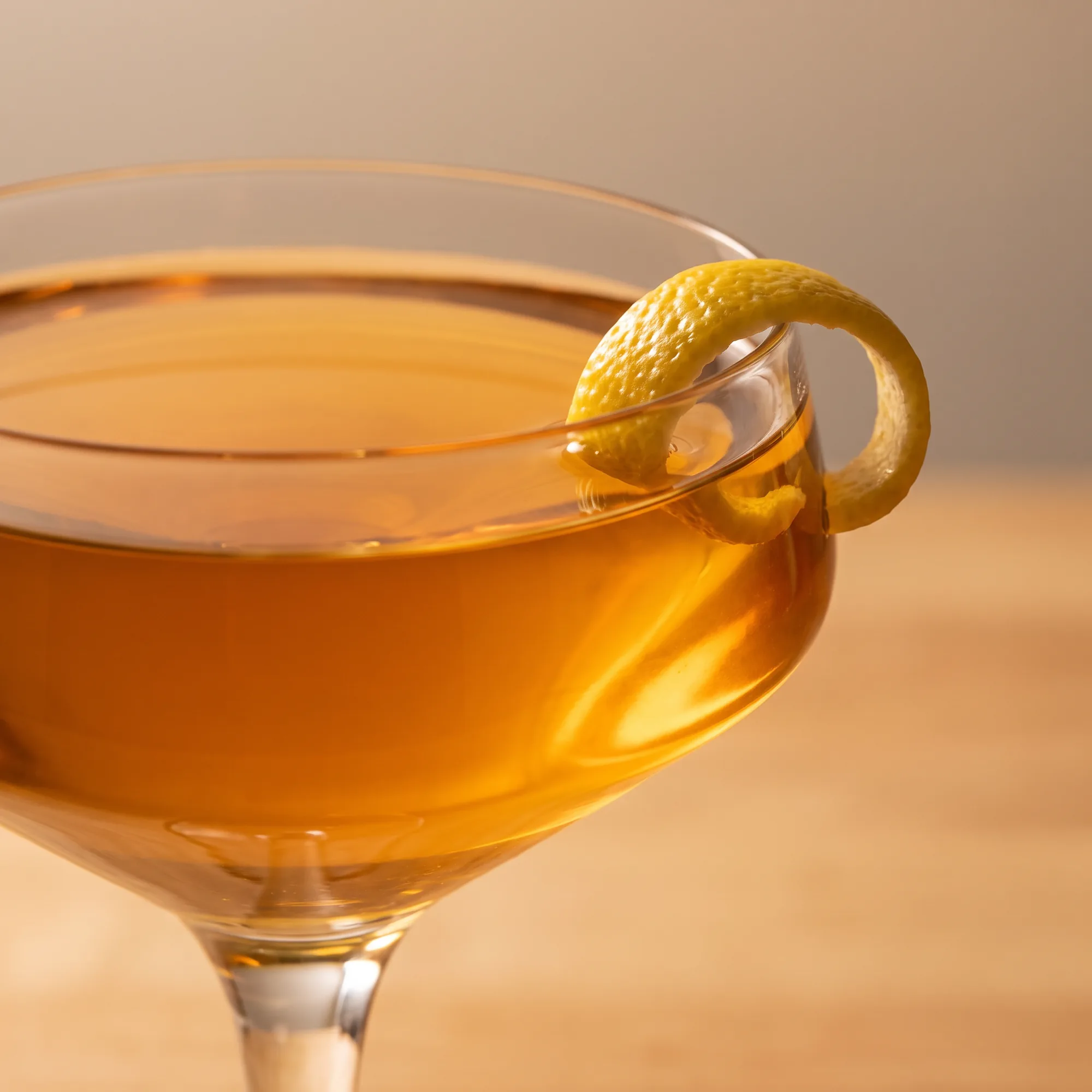
- Express the peel over the drink and drop it in.
Glass & Garnish
Serve up in a chilled coupe glass, with no ice in the glass — the shake does all the chilling and dilution, so anything more would water the drink down after the fact. Chill the coupe ahead of time if you can; served in a warm glass, the citrus snap that carries this drink softens fast. Garnish with a lemon peel, expressed over the surface and dropped in — the oils lift the same citrus notes already running through the lemon juice, so the aroma matches the first sip instead of fighting it. A sugar rim was a fashionable finish on the Sidecar as far back as the 1930s, but it's fallen out of favor since; it's a genuine period-accurate option for a sweeter pour, but the drink is fully balanced without it.
Notes
Scales cleanly for batching — mix and refrigerate the cognac, triple sec and lemon juice ahead, then shake to order over ice. A sugar rim is a traditional but optional finish, more common historically than today; moisten the rim with orange juice and dip in sugar if you want it.
Tools Used
Affiliate links
As an Amazon Associate, Sipped Right earns commission from qualifying purchases made via links on this website, at no extra cost to you.
FAQ
- What can I use instead of Cointreau in a Sidecar?
- Any dry orange liqueur works — Grand Marnier or a dry curaçao are the closest substitutes, though Grand Marnier's cognac base pushes the drink even more spirit-forward. Avoid sweeter triple secs; they'll throw off the citrus balance.
- What's the best cognac for a Sidecar?
- A VS or VSOP cognac is the standard choice — young enough that its brightness comes through the citrus, without the cost of an older bottle you'd rather sip neat. Save XO cognac for drinking on its own.
- Does a Sidecar need a sugar rim?
- No — the classic recipe skips it, and it's fallen out of fashion since the drink's 1930s heyday. It's a genuine period-accurate option for extra sweetness, but the drink is balanced without it.
- What's the difference between a Sidecar and a White Lady?
- They share the same build — orange liqueur and lemon juice in the same proportions against the base spirit — but a White Lady swaps in gin for the Sidecar's cognac, trading dried-fruit warmth for a drier, more botanical edge.
- Who invented the Sidecar cocktail?
- Harry MacElhone's 1922 Harry's ABC of Mixing Cocktails credits bartender Pat MacGarry of Buck's Club in London, though MacElhone's own Paris bar helped popularize it. It's named for the motorcycle sidecar an army captain reportedly rode in on.