Gin · Modern Classic · Herbaceous
Last Word Recipe
Equal parts gin, Chartreuse, and Maraschino — a Prohibition-era classic reborn decades later. Herbal, bittersweet, and unapologetically bold — a Jazz Age relic that outshines most gin cocktails invented since, best poured for a night when you want something with real character.
- Prep Time
- 2 min
- Method
- Shaken
- Glass
- Coupe glass
- Strength
- Spirit-forward
Every recipe on Sipped Right is tested for taste and balance before it's published.
Last updated November 16, 2026
About the Last Word
The Last Word is a Prohibition-era gin cocktail that originated at the Detroit Athletic Club in the 1910s, first documented on a club menu in 1916, then vanished from bars for most of the 20th century until Seattle bartender Murray Stenson rediscovered it at the Zig Zag Café in the early 2000s and revived it into a modern staple. Ted Saucier's 1951 cocktail book Bottoms Up! credited vaudeville performer Frank Fogarty with carrying the recipe from Detroit to New York in the late 1910s, though Detroit Athletic Club archives show the drink was already on the menu before Fogarty's own visit there. The recipe then disappeared from print until Stenson found it in an old bar manual and put it back on his menu, sparking a revival that made it one of the defining cocktails of the modern craft-cocktail era.
Equal parts is what makes a Last Word a Last Word — gin, green Chartreuse, Maraschino Liqueur and lime juice all carry identical weight, so no single ingredient can dominate the sharp, herbal, sweet-tart balance. It's the same equal-parts logic that later defined the Naked and Famous, the mezcal-and-Aperol riff built directly on this drink's structure — change the proportions and it stops being a Last Word.
Ingredients
- Gin¾ oz
- Green Chartreuse¾ oz
- Maraschino Liqueur¾ oz
- Fresh lime juice¾ oz
- Lime peel, for garnish1 twist
Method
- Juice the limes.
- Measure and pour the gin, green Chartreuse, Maraschino Liqueur and lime juice into the shaker tin.
- Add a scoop of ice to the shaker tin.
- Shake for 15 seconds.
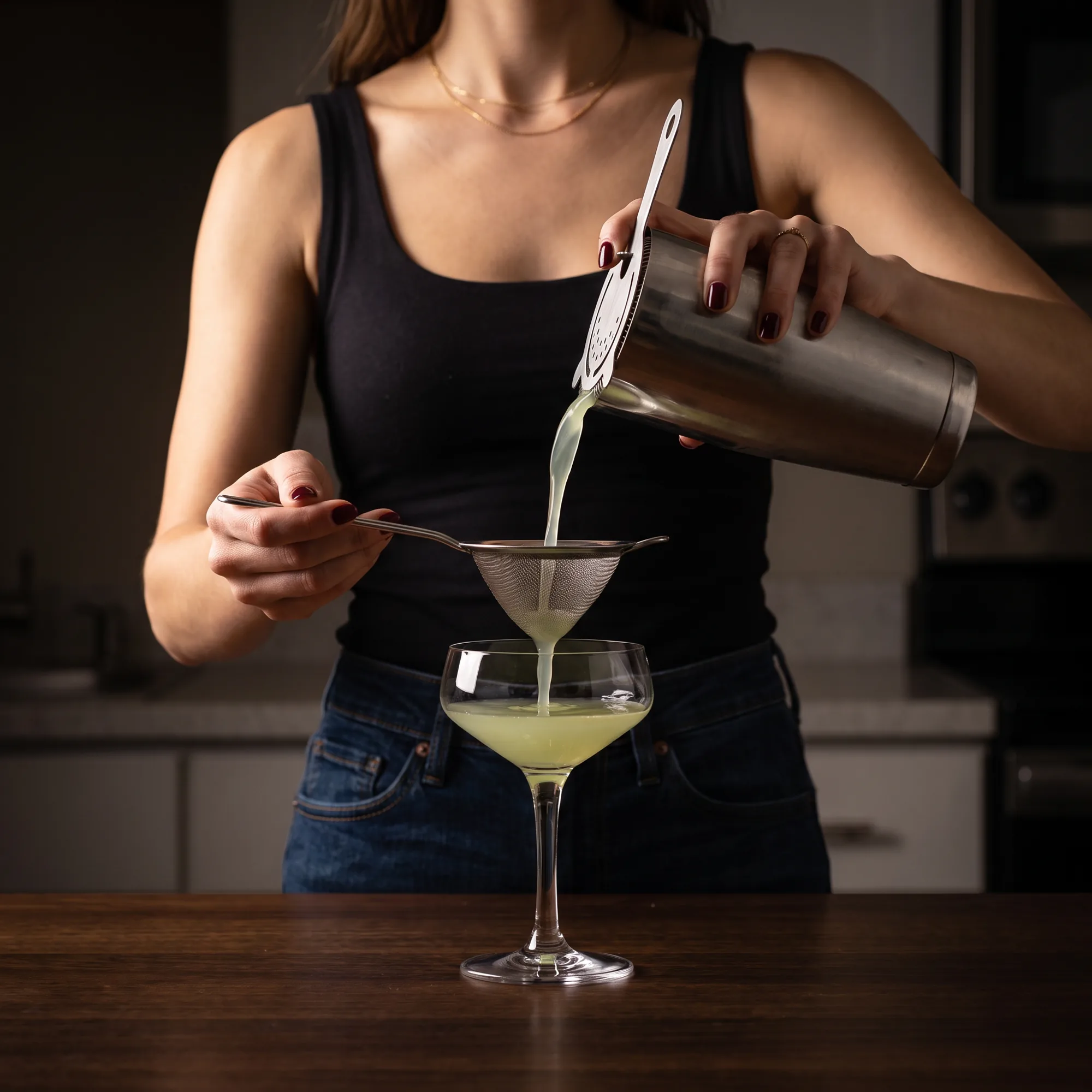
- Fine-strain the cocktail into a chilled coupe glass.
- Cut a swath of lime peel.
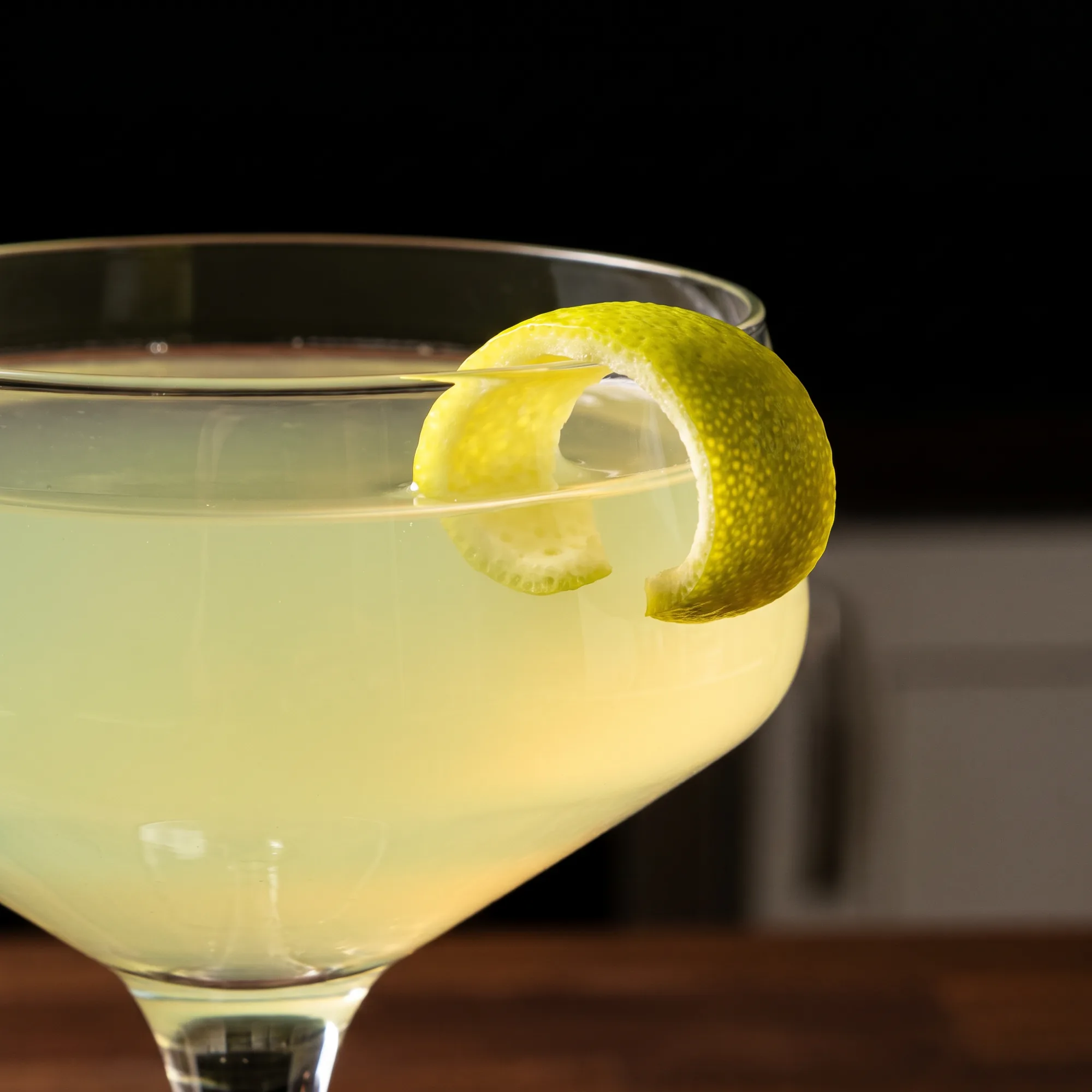
- Express the peel over the drink and drop it in.
Glass & Garnish
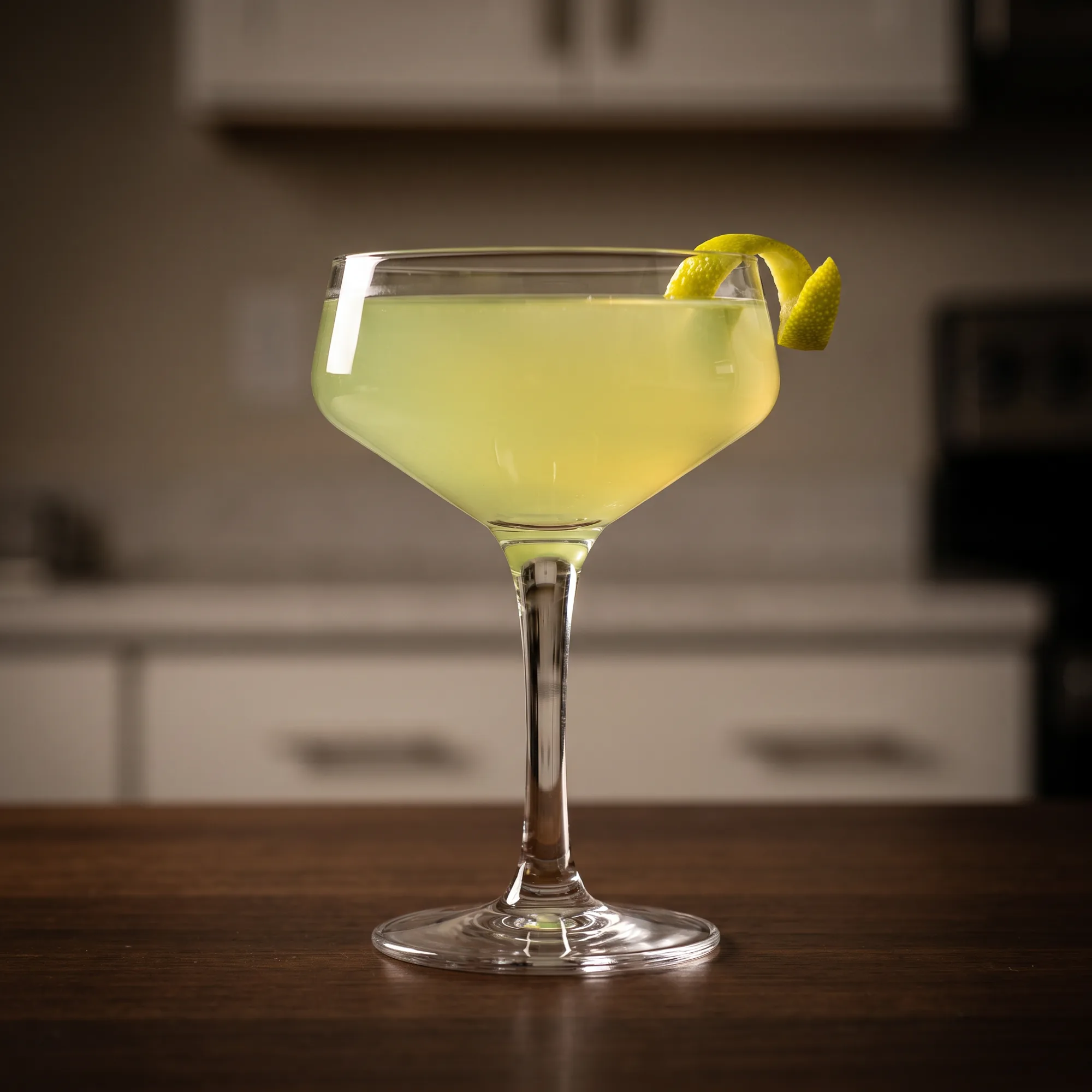
Coupe glass, chilled beforehand and served up with no ice — like most fine-strained sours, all the dilution the Last Word needs happens in the shaker, so ice in the glass would only water it down further. A properly chilled coupe also shows off the drink's pale, faintly luminous green color, part of what makes it such a recognizable pour. Garnish with a lime peel, expressed over the drink and dropped in. The oils lift the citrus already present from the lime juice and give the aroma a brighter top note before the first sip — the same principle behind an orange twist on a Negroni, just tuned to this drink's citrus rather than its bitterness.
Notes
Scales cleanly for batching since every ingredient is equal parts — pre-batch everything but the lime juice, which is best added fresh right before shaking. Garnish conventions vary (lime twist, a maraschino cherry, or none at all); we use the lime twist.
Tools Used
Affiliate links
As an Amazon Associate, Sipped Right earns commission from qualifying purchases made via links on this website, at no extra cost to you.
FAQ
- Who invented the Last Word cocktail?
- It first appeared on a 1916 menu at Detroit's Detroit Athletic Club, though its exact inventor is undocumented. The drink fell out of use for decades until Seattle bartender Murray Stenson found the recipe in an old bar manual and revived it at the Zig Zag Café in the early 2000s.
- Can I use Yellow Chartreuse instead of Green in a Last Word?
- No — the two are different liqueurs. Green Chartreuse is higher proof and more intensely herbal, and that punch is essential to the balance here; Yellow Chartreuse is sweeter and softer, and swapping it in makes a noticeably different, milder drink.
- What's the best gin for a Last Word?
- A classic London dry gin, like Beefeater or Tanqueray, works best — its juniper-forward backbone holds its own against the Chartreuse and Maraschino without getting lost. Because gin sits under the other three ingredients here, an overly delicate or floral gin tends to disappear entirely.
- What are the best-known variations on the Last Word?
- The Naked and Famous swaps in mezcal, Aperol, and Yellow Chartreuse for a smokier, bittersweet take on the same equal-parts structure. The Final Ward, created by Phil Ward, replaces Green Chartreuse and lime with rye whiskey and lemon juice for a spirit-forward, whiskey-based riff.
- Does the Last Word need a garnish?
- Not strictly — the traditional recipe specifies none. Most modern bars still express a lime peel over the top and drop it in, since the oils echo the lime juice already in the drink and lift its aroma before the first sip.