
Gin · Sour · Herbaceous
Corpse Reviver No. 2 Recipe
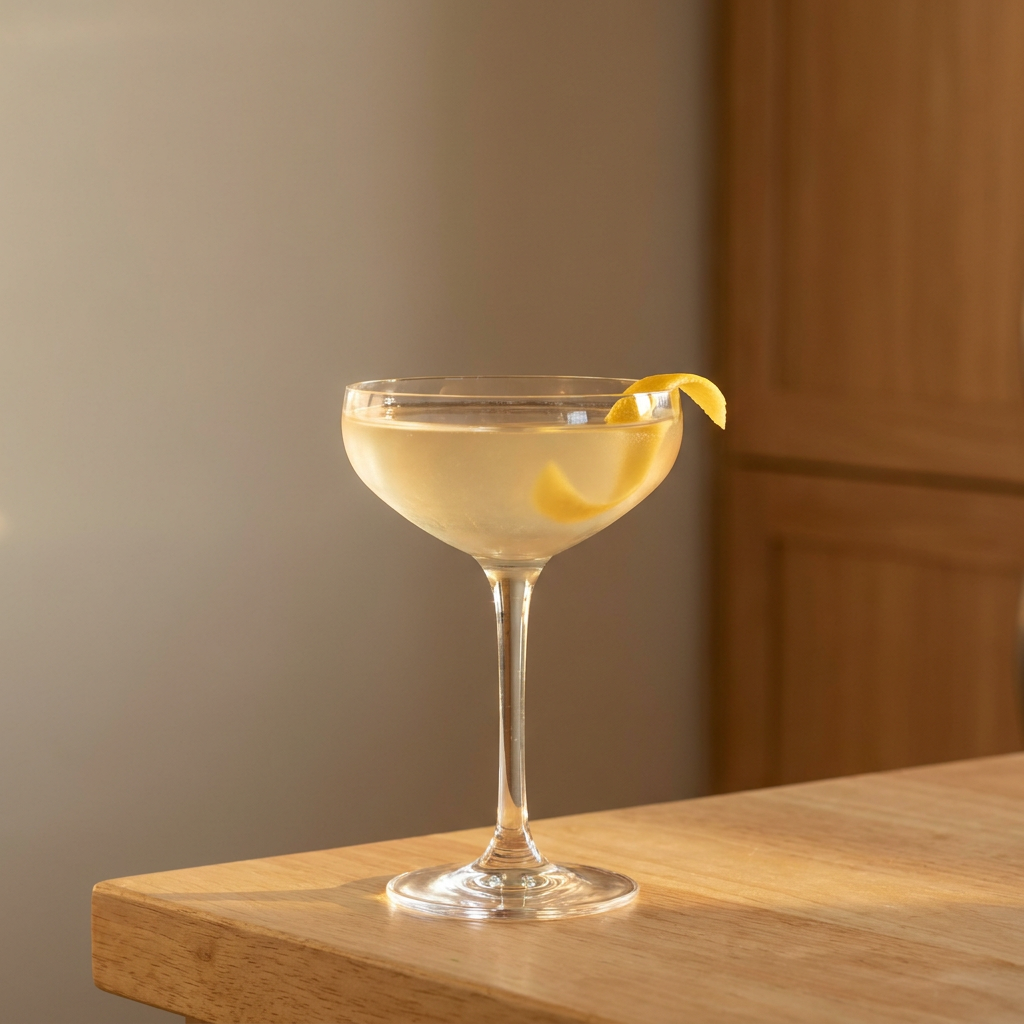
Equal parts gin, Cointreau, Lillet Blanc and lemon juice, sharpened by a whisper of absinthe. A 1930s Savoy classic built on a rare true four-way equal split, rounded out by a rinse of absinthe instead of a full pour. Bracingly citrus-forward and herbaceous, it's as much a hair-of-the-dog remedy as it is a proper cocktail.
- Prep Time
- 2 min
- Method
- Shaken
- Glass
- Coupe glass
- Strength
- Balanced
Every recipe on Sipped Right is tested for taste and balance before it's published.
Last updated October 20, 2026
About the Corpse Reviver No. 2
The Corpse Reviver No. 2 is a gin sour from Harry Craddock's 1930 The Savoy Cocktail Book, built from equal parts gin, Cointreau, Lillet Blanc and lemon juice with a dash of absinthe. It's the survivor of a wider family of 19th-century "corpse reviver" hangover cures, and Craddock's own warning is quoted more often than the recipe itself: "Four of these taken in swift succession will unrevive the corpse again." Craddock's original recipe used Kina Lillet, a more bitter, quinine-heavy aperitif wine. When the Lillet family reformulated it in 1986 — dropping the quinine and renaming it Lillet Blanc — the cocktail's flavor shifted along with it, and Lillet Blanc has been the standard modern pour ever since, with Cocchi Americano used by some bartenders chasing the original's bitterness.
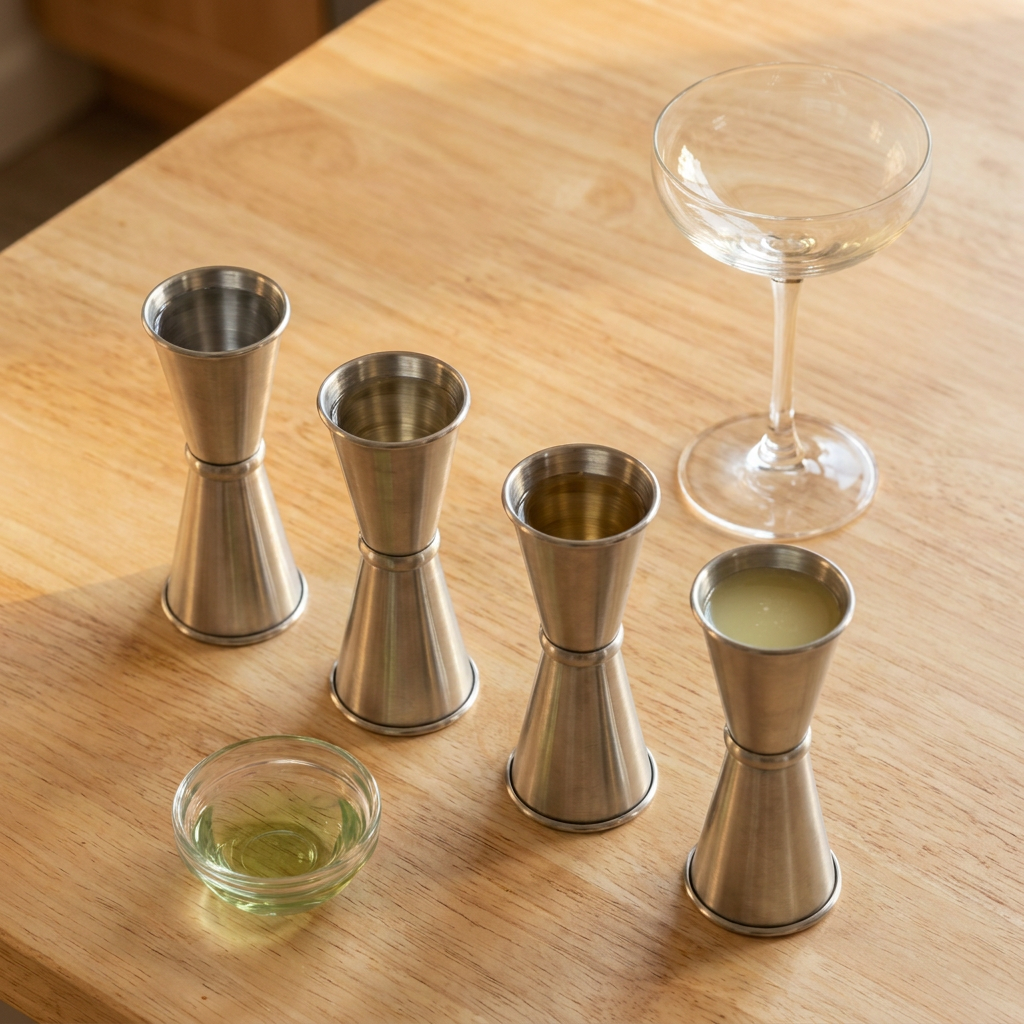
Gin, Cointreau, Lillet Blanc and lemon juice sit in a genuine four-way equal split — 0.75 oz each — with the absinthe reduced to a rinse rather than a measured pour, just enough to scent the glass without dominating the citrus and orange. That equal-parts structure is what separates a Corpse Reviver No. 2 from an ordinary gin sour; push any one ingredient forward and it drifts toward a different drink, the way its relative the Corpse Reviver No. 1 swaps in Calvados and sweet vermouth for an entirely different, brandy-based profile.
Ingredients
- Gin¾ oz
- Cointreau¾ oz
- Lillet Blanc¾ oz
- Lemon juice¾ oz
- Absinthe1 rinse
- Lemon peel, for garnish1 twist
Method
- Rinse a chilled coupe glass with absinthe, swirling to coat, then discard the excess.
- Measure and pour the gin, Cointreau, Lillet Blanc and lemon juice into the shaker tin.
- Add a scoop of ice to the shaker tin.
- Shake for 15 seconds.
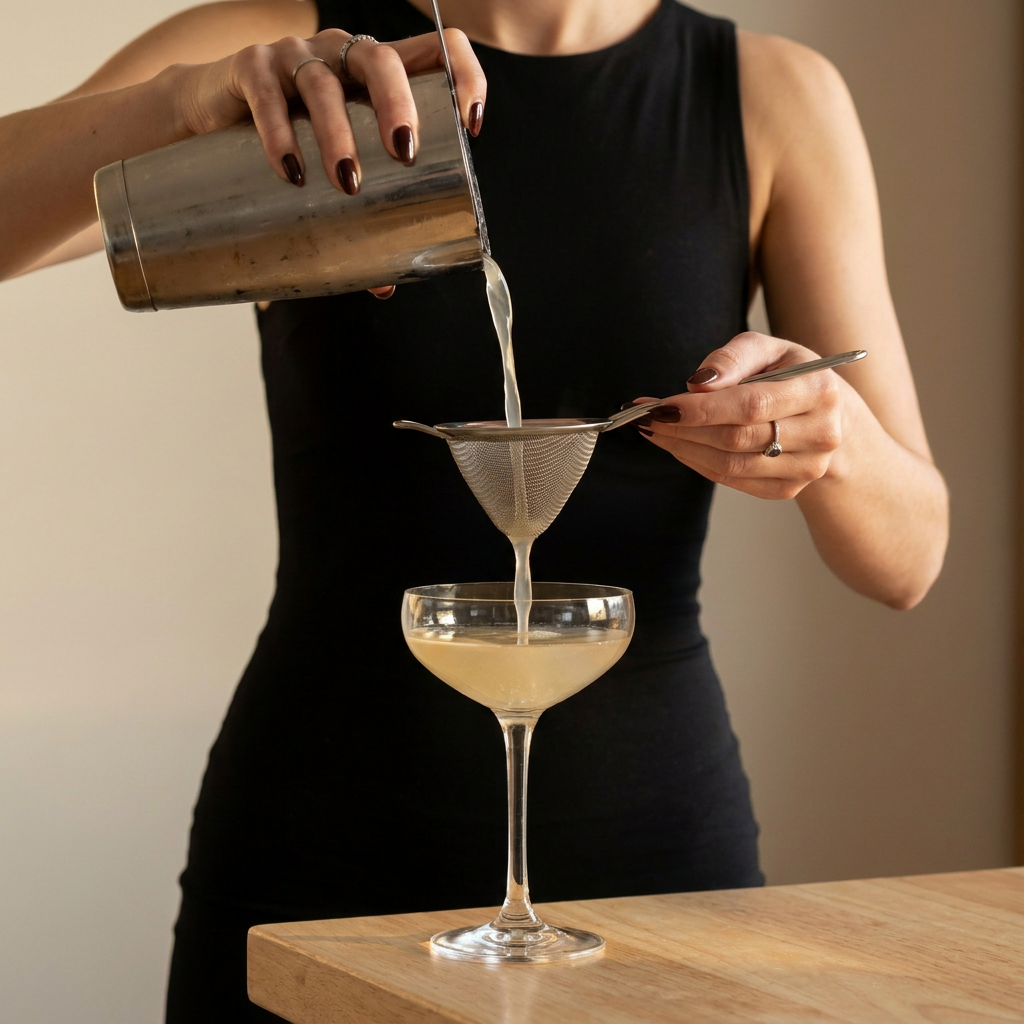
- Fine-strain the cocktail into the prepared glass.
- Cut a swath of lemon peel.
- Express the peel over the drink and drop it in.
Glass & Garnish
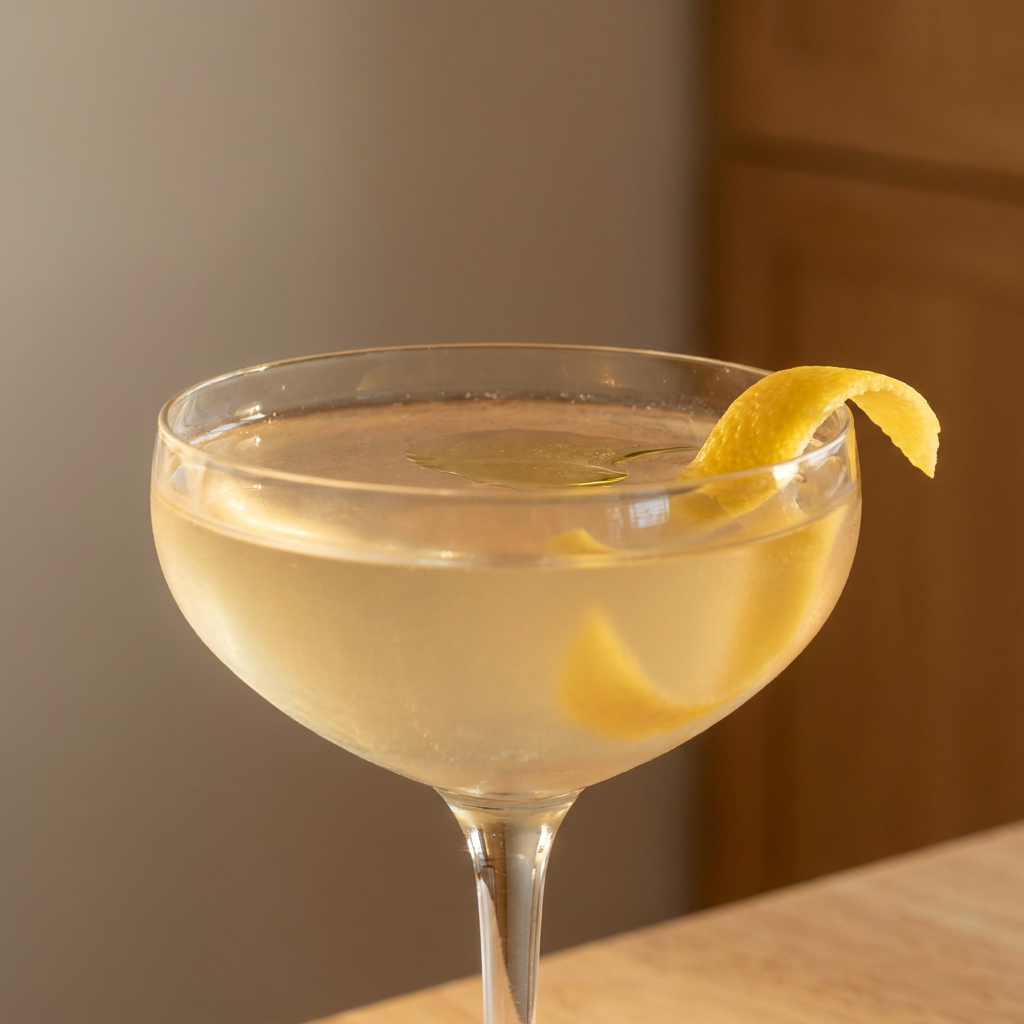
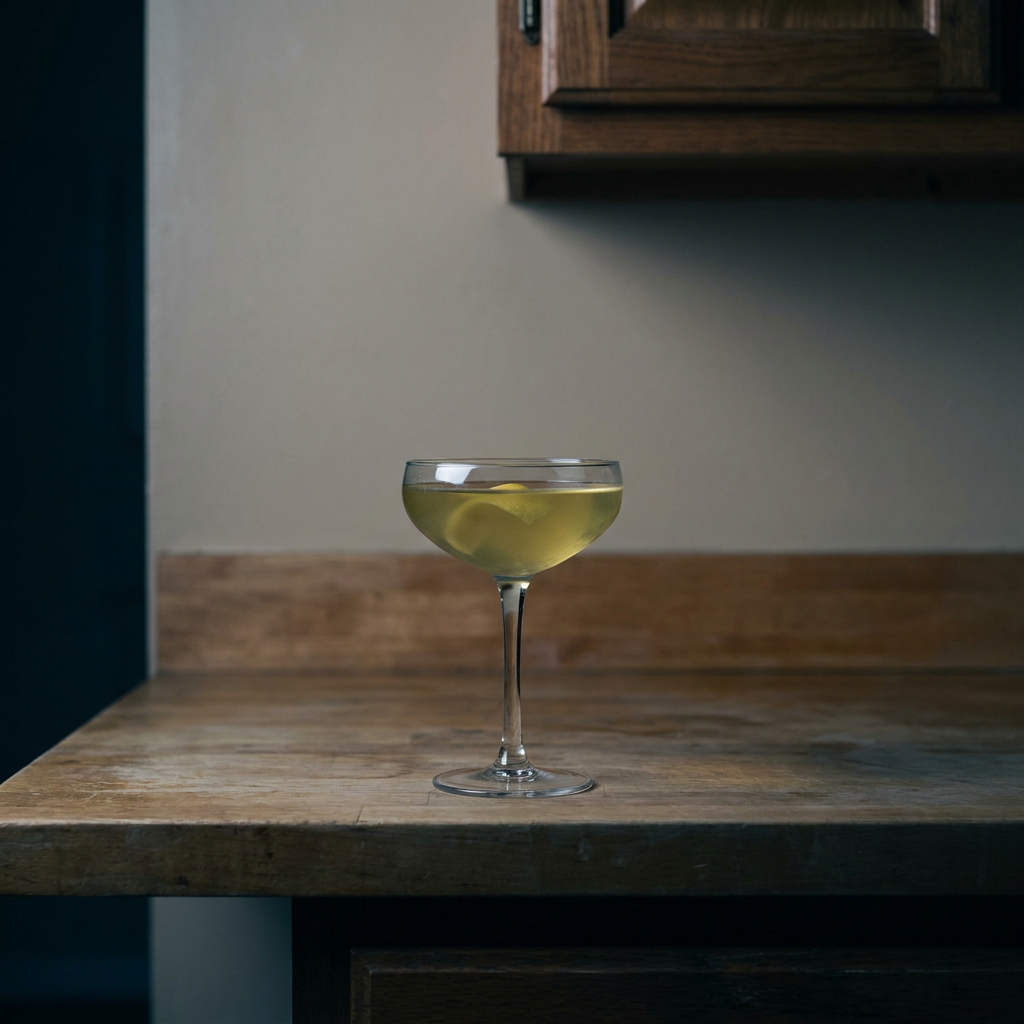
Coupe glass, chilled — and rinsed with absinthe just before the strain, swirled to coat the interior, then tipped out so only a thin film remains. That rinse is doing real work: it's how the drink gets its herbaceous absinthe note without the anise ever taking over the citrus and orange up front. Garnish with a lemon peel, expressed over the drink and dropped in. The oils crossing the surface brighten the citrus that's already built into the lemon juice and Cointreau, so the first sip reads sharp and clean rather than boozy.
Notes
The absinthe goes in as a rinse of the glass here; the original Savoy recipe adds it as a dash in the shaker. Lillet Blanc is the essential ingredient and has no good substitute.
Tools Used
Affiliate links
As an Amazon Associate, Sipped Right earns commission from qualifying purchases made via links on this website, at no extra cost to you.
FAQ
- Who created the Corpse Reviver No. 2?
- Harry Craddock published it in his 1930 book The Savoy Cocktail Book, where he famously warned that "four of these taken in swift succession will unrevive the corpse again." It's the survivor of a wider 19th-century family of hangover-cure "corpse reviver" drinks, most of which have faded from use.
- What can I use instead of Lillet Blanc?
- Cocchi Americano is the closest substitute and actually the truer match to the original 1930 recipe, which called for the more bitter, quinine-heavy Kina Lillet — discontinued when the brand reformulated into today's lighter Lillet Blanc in 1986.
- What gin should I use in a Corpse Reviver No. 2?
- A classic London dry gin holds its own best against the Cointreau and Lillet Blanc without getting lost — Beefeater or Tanqueray are reliable choices. A more floral or citrus-forward gin works too, since the drink is built to showcase the botanicals, not bury them.
- Does a Corpse Reviver No. 2 need a garnish?
- The Savoy recipe calls for an expressed lemon twist, and it's worth keeping — the oils lift the citrus already in the lemon juice and Cointreau. Some modern bars skip it entirely, since the original was meant as a quick, no-fuss pick-me-up rather than a garnished showpiece.
- What's the difference between the Corpse Reviver No. 1 and No. 2?
- The No. 1 is a brandy-and-Calvados drink built for winter, with sweet vermouth and a dash of bitters. The No. 2 — this one — is the lighter, citrus-forward gin sour that became by far the more famous of the two.
Related Cocktails

Gin
Clover Club
Gin, lemon and raspberry sweetness shaken silky with egg white — a pre-Prohibition Philadelphia original.

Gin
Bijou
Equal parts gin, green Chartreuse and sweet vermouth — an 1890s classic named for jewels.
Gin
Alaska Cocktail
A Martini reimagined through a monk's herbal liqueur — dry gin softened by honeyed, saffron-gold Chartreuse.