Gin · Classic · Herbaceous
Bijou Recipe
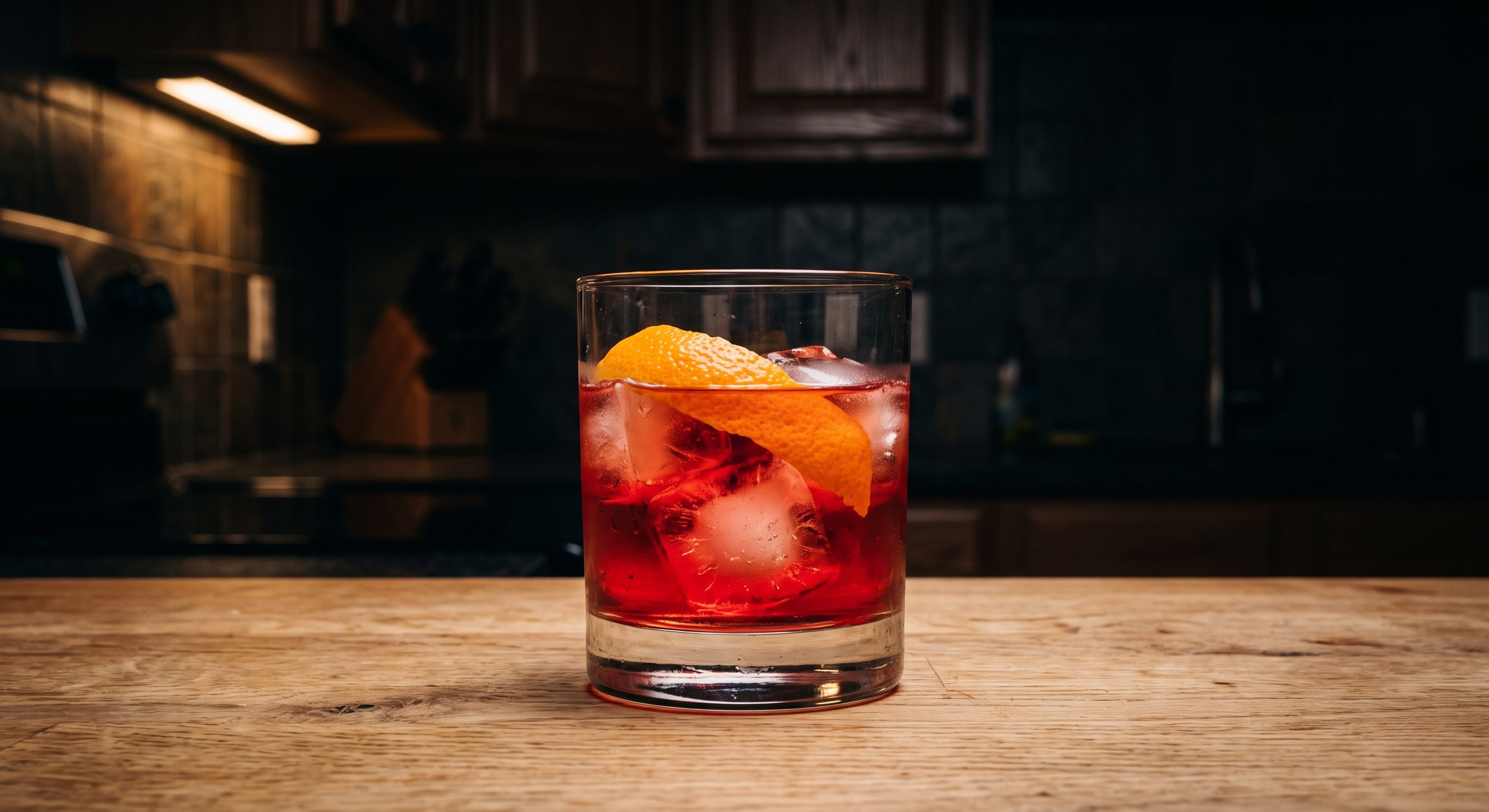
Equal parts gin, green Chartreuse and sweet vermouth — an 1890s classic named for jewels. Herbaceous and bittersweet at once — Chartreuse's bold herbal snap against gin's botanicals and vermouth's dried-fruit sweetness. A deep, jewel-toned nightcap for slow sipping, not a first pour of the evening.
- Prep Time
- 2 min
- Method
- Stirred
- Glass
- Coupe or Nick & Nora glass
- Strength
- Spirit-forward
Every recipe on Sipped Right is tested for taste and balance before it's published.
Last updated October 20, 2026
About the Bijou
The Bijou is an 1890s American gin cocktail built from equal parts gin, green Chartreuse and sweet vermouth with a dash of orange bitters, credited to bartender Harry Johnson and first published in his 1900 Bartenders' Manual. Johnson named it bijou — French for jewel — because the three ingredients evoke a trio of gems: gin for diamond, vermouth for ruby, and Chartreuse for emerald. It's one of the oldest recipes in Johnson's manual, decades before equal-parts, stirred aromatic cocktails like the Negroni became common. Later bartenders — most notably Dale DeGroff — tripled the gin against the other two, softening Chartreuse's bold herbal edge into the gentler, gin-forward pour many modern bars now serve.
The equal 1:1:1 split of gin, green Chartreuse and sweet vermouth is what makes a Bijou a Bijou — no ingredient leads, so Chartreuse's bitter herbal snap gets full say alongside the gin's botanicals and the vermouth's dried-fruit sweetness. It's the same equal-parts logic that later defines the Negroni, though the Bijou predates it by decades; shift the ratio toward gin — as Dale DeGroff's popular modern version does — and the drink turns drier and gin-forward rather than Chartreuse-led.


Ingredients
- Gin1 oz
- Green Chartreuse1 oz
- Sweet Vermouth1 oz
- Orange Bitters1 dash
- Lemon Peel, for garnish1 twist
- Brandied Cherry, for garnish1
1 dash Orange Bitters.
Method
- Measure and pour the gin, green Chartreuse, sweet vermouth and orange bitters into the mixing glass.
- Add a scoop of ice to the mixing glass.
- Stir for 30 seconds.
- Strain the cocktail into a chilled coupe glass.
- Cut a swath of lemon peel.
- Express the peel over the drink and discard it.
- Skewer a cocktail cherry and drop it in.


Glass & Garnish
Coupe or Nick & Nora glass, chilled beforehand and served up — no ice — so the drink stays properly cold without further dilution after straining. Because the pour is already fully stirred down and spirit-forward, serving it up rather than over ice keeps that intended strength and herbal intensity intact. Garnish with an expressed lemon peel, discarded rather than dropped in, plus a brandied cherry skewered and set in the glass. The peel's oils brighten the top of the drink without leaving a floating peel to compete with Chartreuse's own citrus-adjacent herbal notes, while the cherry echoes the vermouth's dried-fruit sweetness and gives the pale amber pour a jewel-toned garnish to match its name.
Notes
The original 1890s ratio is equal parts; many modern bars (following Dale DeGroff) increase the gin and cut back the Chartreuse and vermouth for a gentler, more gin-forward pour — a good adjustment if this reads too bittersweet at first. Scales and batches cleanly, the same way a Negroni does.
Tools Used
Affiliate links
As an Amazon Associate, Sipped Right earns commission from qualifying purchases made via links on this website, at no extra cost to you.
FAQ
- Who invented the Bijou cocktail?
- Bartender Harry Johnson gets the credit — the Bijou first appeared in the 1900 edition of his Bartenders' Manual as one of the book's oldest recipes, dating from the 1890s. He named it bijou, French for jewel, after the gin, vermouth and Chartreuse's diamond-ruby-emerald color trio.
- What's the difference between a classic and modern Bijou?
- The original 1890s recipe is equal parts gin, green Chartreuse and sweet vermouth. Bartender Dale DeGroff later tripled the gin against the other two, softening Chartreuse's bold herbal edge — his gin-forward ratio became the version most modern bars now pour.
- Can I make a Bijou without green Chartreuse?
- Not really — Chartreuse's bitter, herbal, saffron-like intensity is the drink's defining flavor, not a background note. Yellow Chartreuse is sweeter and milder and will flatten the drink's character, so treat it as an occasional substitute rather than a like-for-like swap.
- What's the best gin for a Bijou?
- A classic London dry gin, like Beefeater or Tanqueray, gives a clean juniper backbone that stands up to the Chartreuse without disappearing — the same logic as a Negroni. Plymouth gin is the historical choice Harry Johnson himself specified, and its softer, rounder profile works beautifully too.
- What garnish does a Bijou use?
- An expressed lemon peel, discarded rather than dropped in, plus a brandied cherry skewered in the glass. The peel's oil brightens the top of the drink, while the cherry echoes the vermouth's dried-fruit sweetness and gives the amber pour a jewel-toned garnish to match its name.