Brandy/Cognac · Fizz · Sweet
Brandy Daisy Recipe
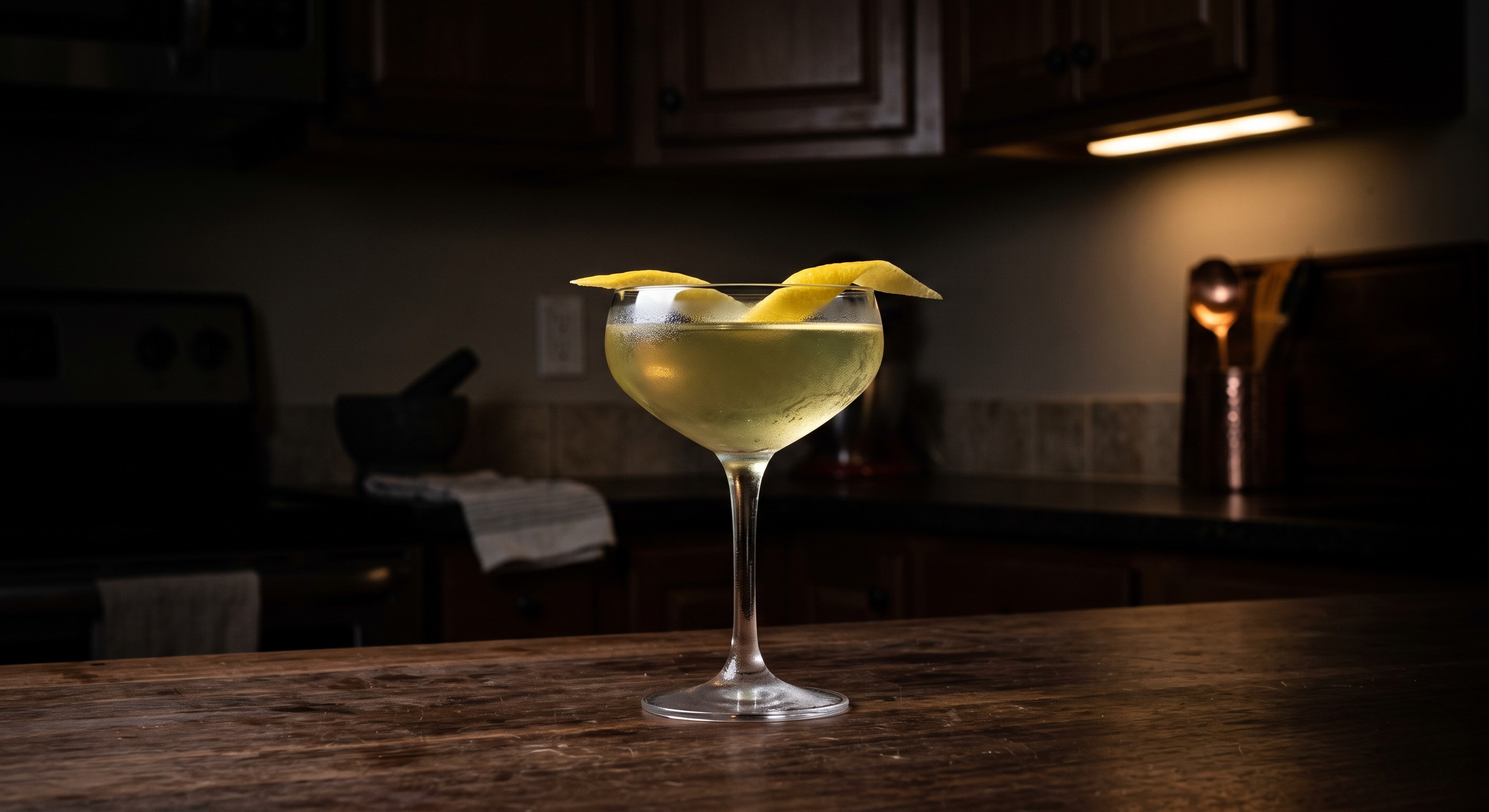
Brandy, Chartreuse, and lemon, finished with a splash of soda — bright, herbal, and effervescent. Brandy's warm fruit and Yellow Chartreuse's honeyed herbs are lifted by lemon and a light fizz on top. A graceful pre-dinner coupe that feels bright rather than heavy.
- Prep Time
- 2.5 min
- Method
- Shaken
- Glass
- Chilled coupe
- Strength
- Balanced
Every recipe on Sipped Right is tested for taste and balance before it's published.
Last updated November 16, 2026
About the Brandy Daisy
The earliest known print reference to the Brandy Daisy dates to 1862, in Jerry Thomas's "How to Mix Drinks," one of the first cocktail guides ever published. The "Daisy" name comes from Old English for "day's eye," referring to the daisy flower that opens at dawn and closes at dusk, and by the 19th century had become bartender shorthand for any sweet-sour drink finished with a fizzy top. The recipe drifted over the decades — Jerry Thomas favored orange curaçao, Harry Johnson later swapped in Chartreuse — and that flexibility is arguably why the format survived at all: a Daisy was never one fixed recipe, just a reliable shape bartenders kept refilling with whatever was on the shelf.
The base is 1.5 oz brandy to 0.5 oz Yellow Chartreuse to 0.5 oz lemon juice to 0.25 oz semi-rich simple syrup, a 6:2:2:1 split, finished with a bar spoon of soda. Brandy leads, Chartreuse adds a herbal accent, and the lemon-and-syrup pair keeps it tart-sweet. Swap the brandy for another spirit and you get a different member of the Daisy family.
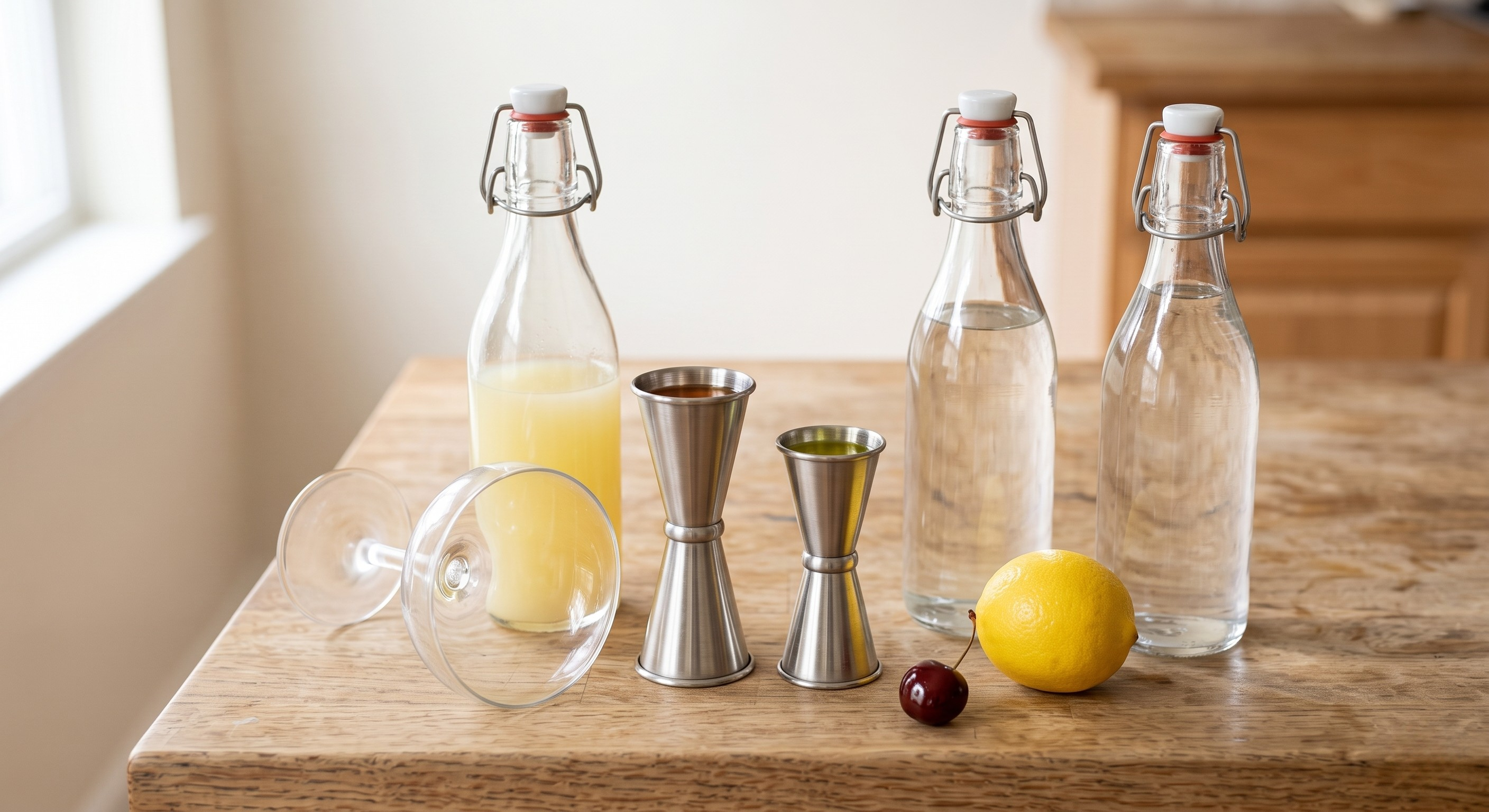
Ingredients
- Brandy1 ½ oz
- Yellow Chartreuse½ oz
- Fresh lemon juice½ oz
- Semi-rich simple syrup (1.5:1)¼ oz
- Soda water1 bar spoon
- Lemon twist, for garnish1
- Cherry, for garnish1
Method
- Juice the lemons.
- Chill a coupe glass.
- Measure and pour the brandy, Yellow Chartreuse, fresh lemon juice and semi-rich simple syrup into the shaker.
- Add a scoop of ice to the shaker.
- Shake for 15 seconds.
- Fine-strain the cocktail into the coupe.
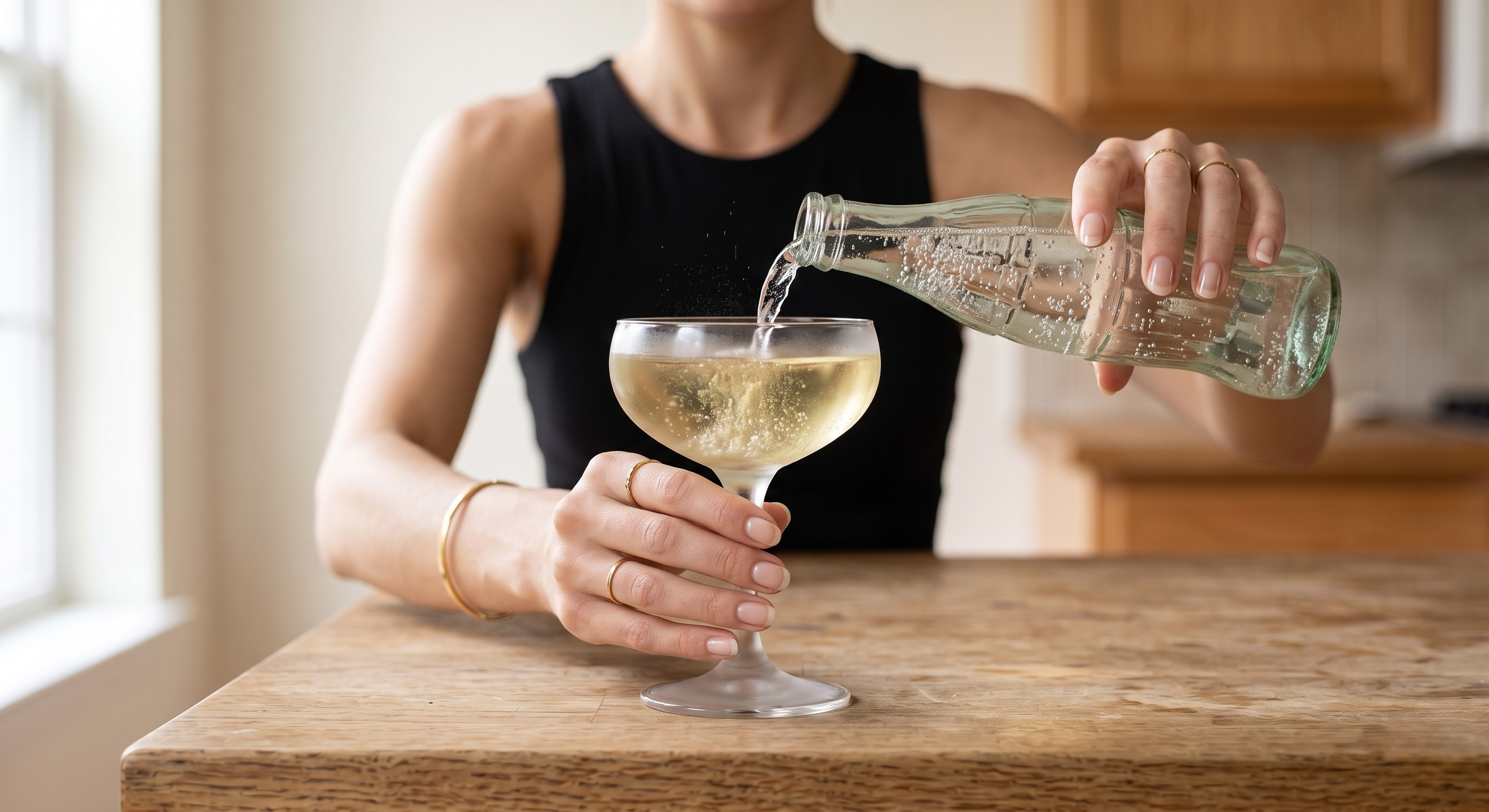
- Top with 1 bar spoon of soda water.
- Cut a lemon twist.
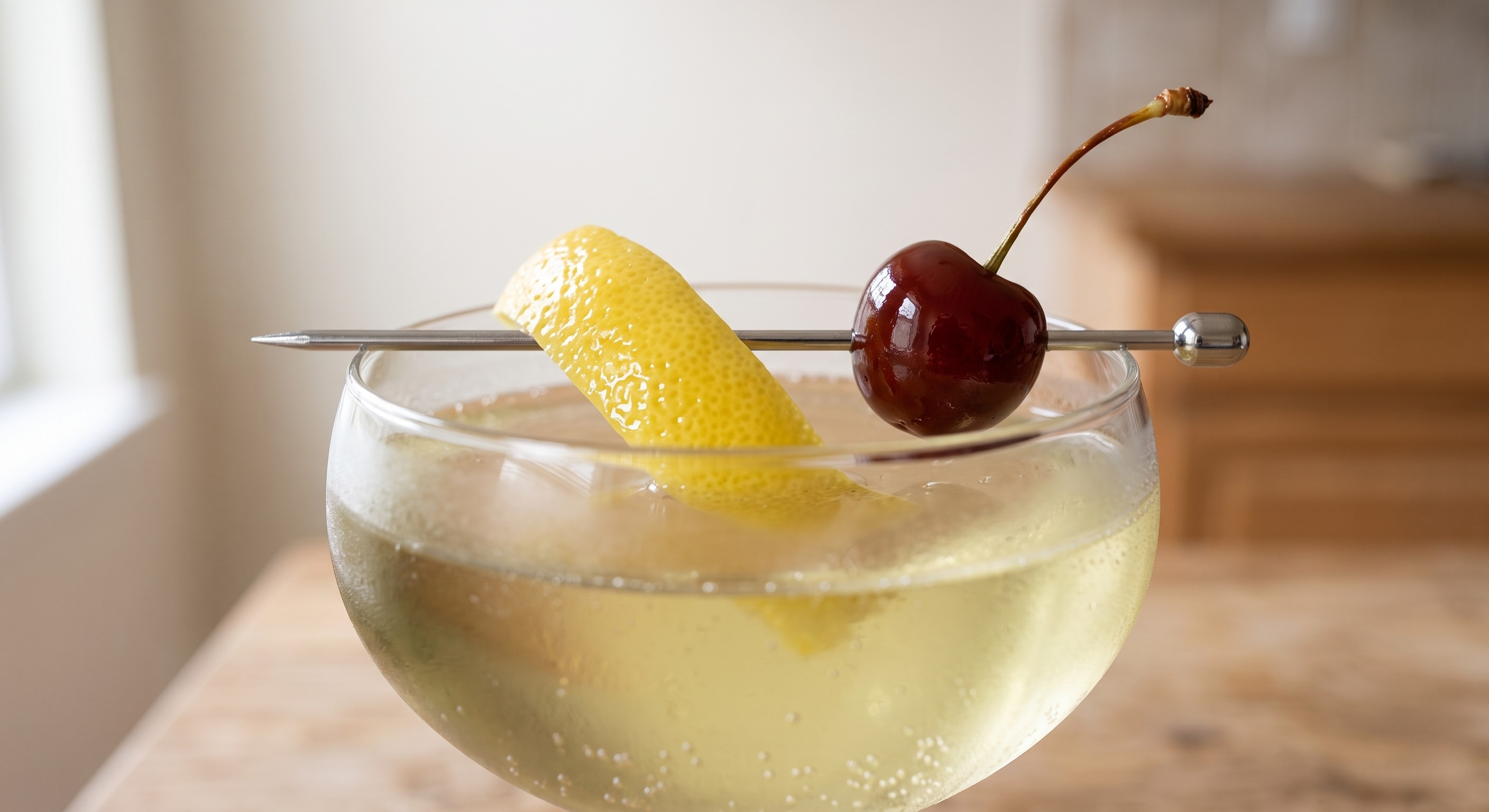
- Express the peel over the drink and garnish with it, along with a cherry.
Glass & Garnish
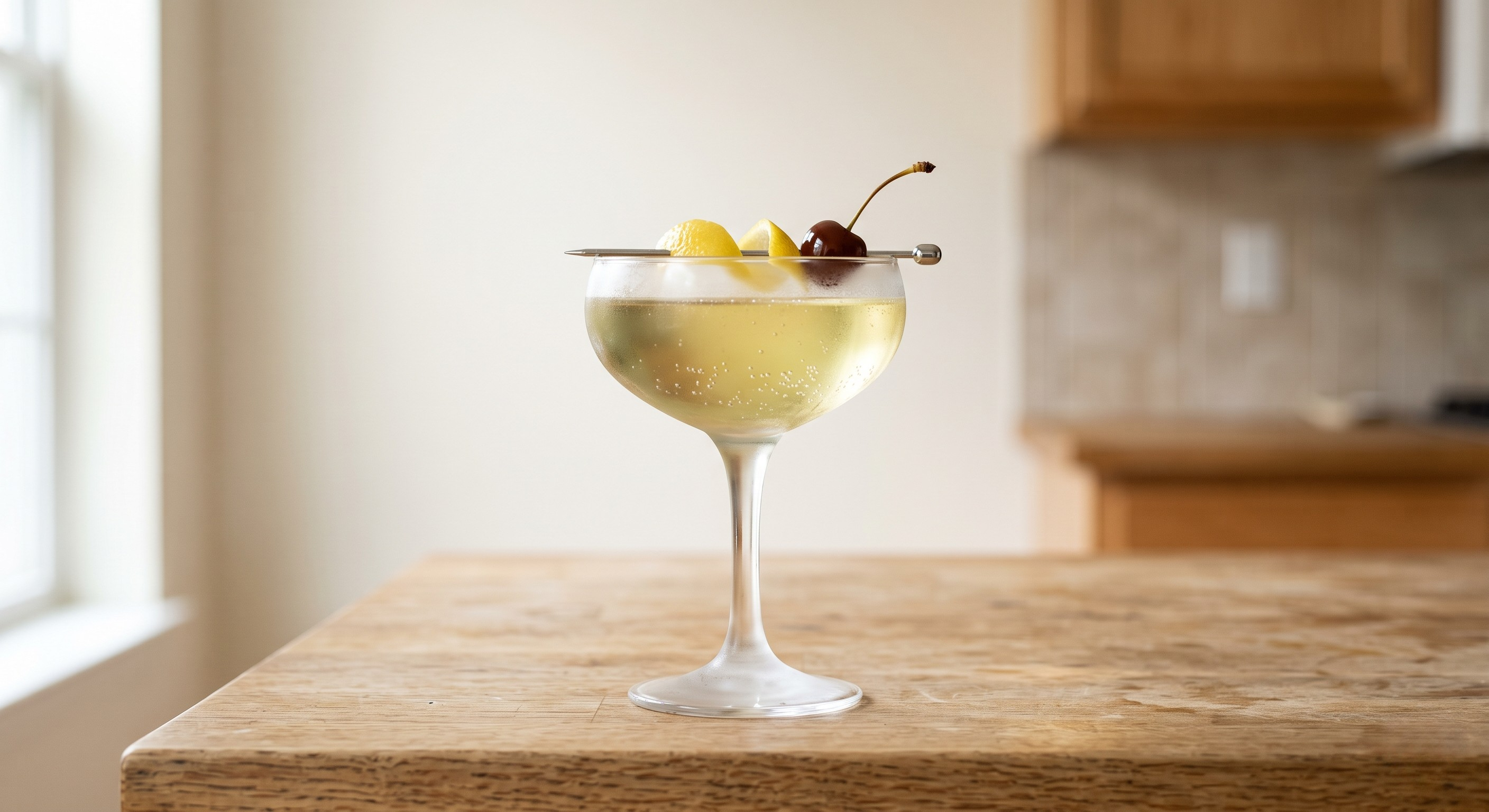
Chilled coupe, garnished with a lemon twist and a cherry.
Notes
Green Chartreuse or Drambuie substitutes for Yellow, drier and more intense. Honey or agave can replace semi-rich simple syrup. Scales to a pitcher for a party — top individually to keep the fizz. Pairs with a light cheese plate.
Tools Used
Affiliate links
As an Amazon Associate, Sipped Right earns commission from qualifying purchases made via links on this website, at no extra cost to you.
FAQ
- How do I scale a Brandy Daisy up for a party?
- Use the servings control above the ingredients to multiply the shaken base, then shake it in rounds with ice rather than in one big batch. Strain into chilled coupes and add the bar spoon of soda to each glass at the end, so every drink keeps its small lift of fizz.
- Can I make a Brandy Daisy without Yellow Chartreuse?
- Yes, though the drink changes. Green Chartreuse works and is drier and more intense, so use a little less. Honey liqueur gives a softer, sweeter result. Without any herbal liqueur it becomes a simple brandy sour, which is pleasant but loses the Daisy's gentle herbal depth.
- What's the best brandy for a Brandy Daisy?
- A good, smooth VS or VSOP Cognac or other grape brandy gives the cleanest result, with enough fruit to stand up to the Chartreuse. Avoid sweetened flavored brandies, which tip the balance. You do not need an expensive bottle, because lemon and herbs cover subtle age notes.
- Does a Brandy Daisy need a garnish?
- A lemon twist and a cherry finish it well. Expressing the twist over the glass releases citrus oil that lifts the first sip, and the cherry adds a touch of color against the pale drink. Neither changes the flavor much, so skip them if you are short on time.
- What's the origin of the Brandy Daisy?
- The earliest known print reference dates to 1862 in Jerry Thomas's How to Mix Drinks. Daisy became bartender shorthand for a sweet-sour drink with a fizzy top, and the recipe shifted over the years, from orange curaçao to Chartreuse. It was never one fixed recipe, just a reliable shape.