Brandy/Cognac · Classic · Herbaceous
Champs-Élysées Recipe
Cognac, green Chartreuse, and lemon — a Sidecar's more herbal, more serious cousin.
- Prep Time
- 2 min
- Method
- Shaken
- Glass
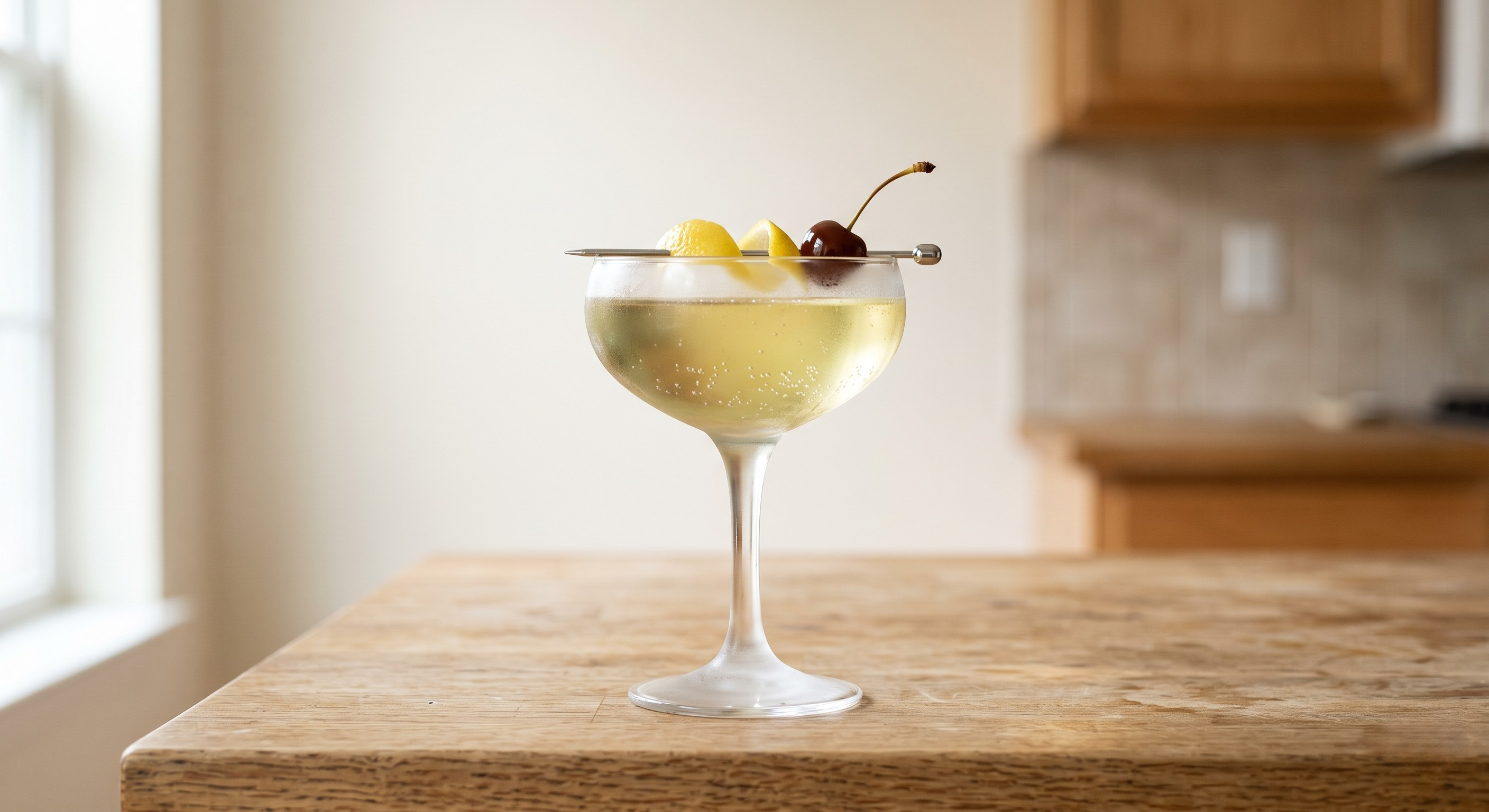
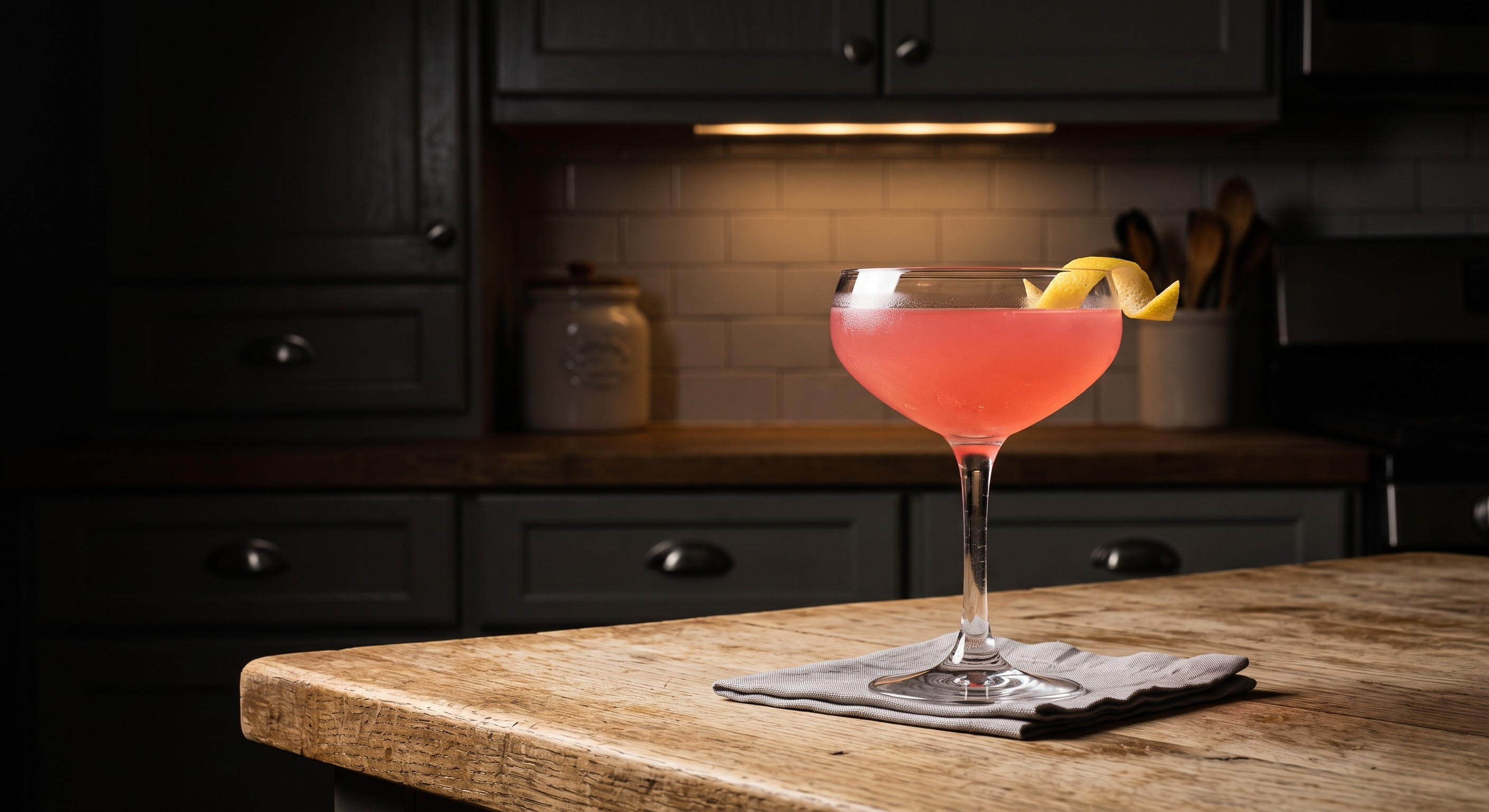
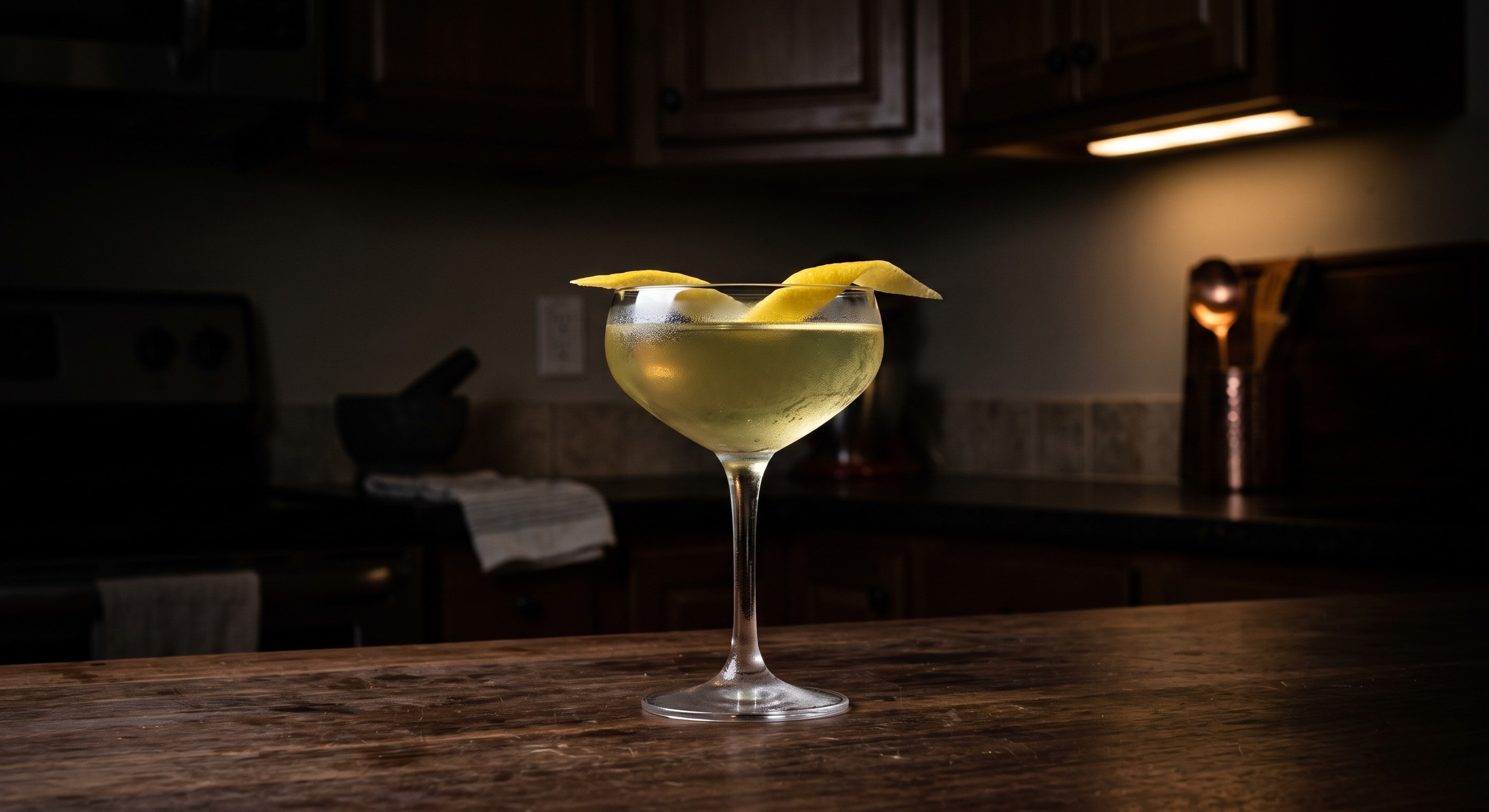
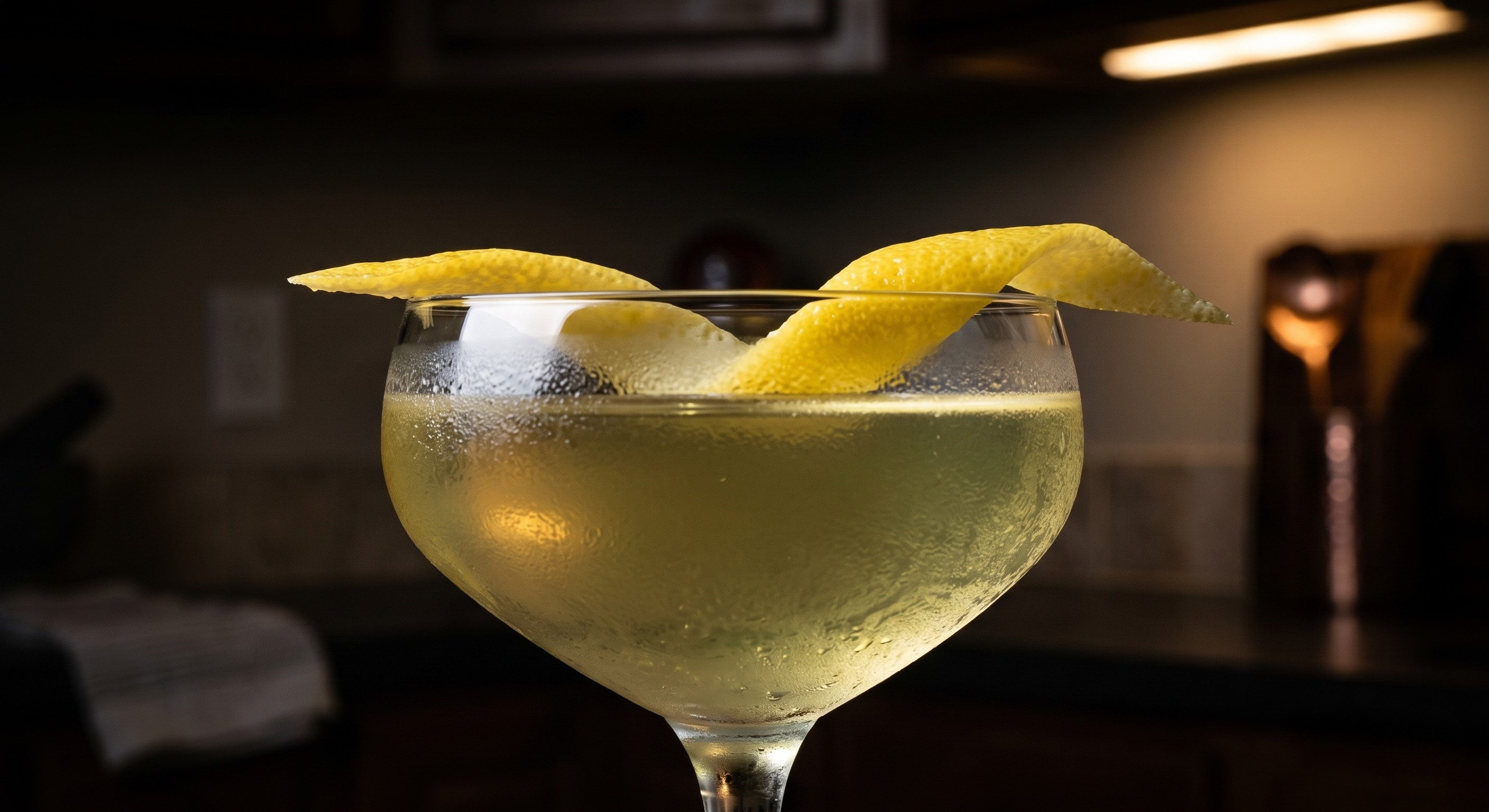
- Chilled coupe. Garnish: lemon twist
- Strength
- Balanced
Every recipe on Sipped Right is tested for taste and balance before it's published.
Last updated September 14, 2026
About the Champs-Élysées
Named for the famous Paris avenue, Champs-Élysées first appears in print in 1925, in "Drinks — Long and Short" by Nina Toye and A.H. Adair, and was recorded again in 1930 in Harry Craddock's "Savoy Cocktail Book." It's often described as a twist on the Sidecar, with green Chartreuse standing in for the orange liqueur — trading citrus brightness for something more herbal and monastic, fittingly, since Chartreuse is still made by Carthusian monks to a recipe dating to 1737. The drink crossed the Atlantic during Prohibition, as Americans traveled to Europe for the cocktails they couldn't get at home. It's never reached the Sidecar's fame, which somehow makes finding a good one feel like being let in on something.
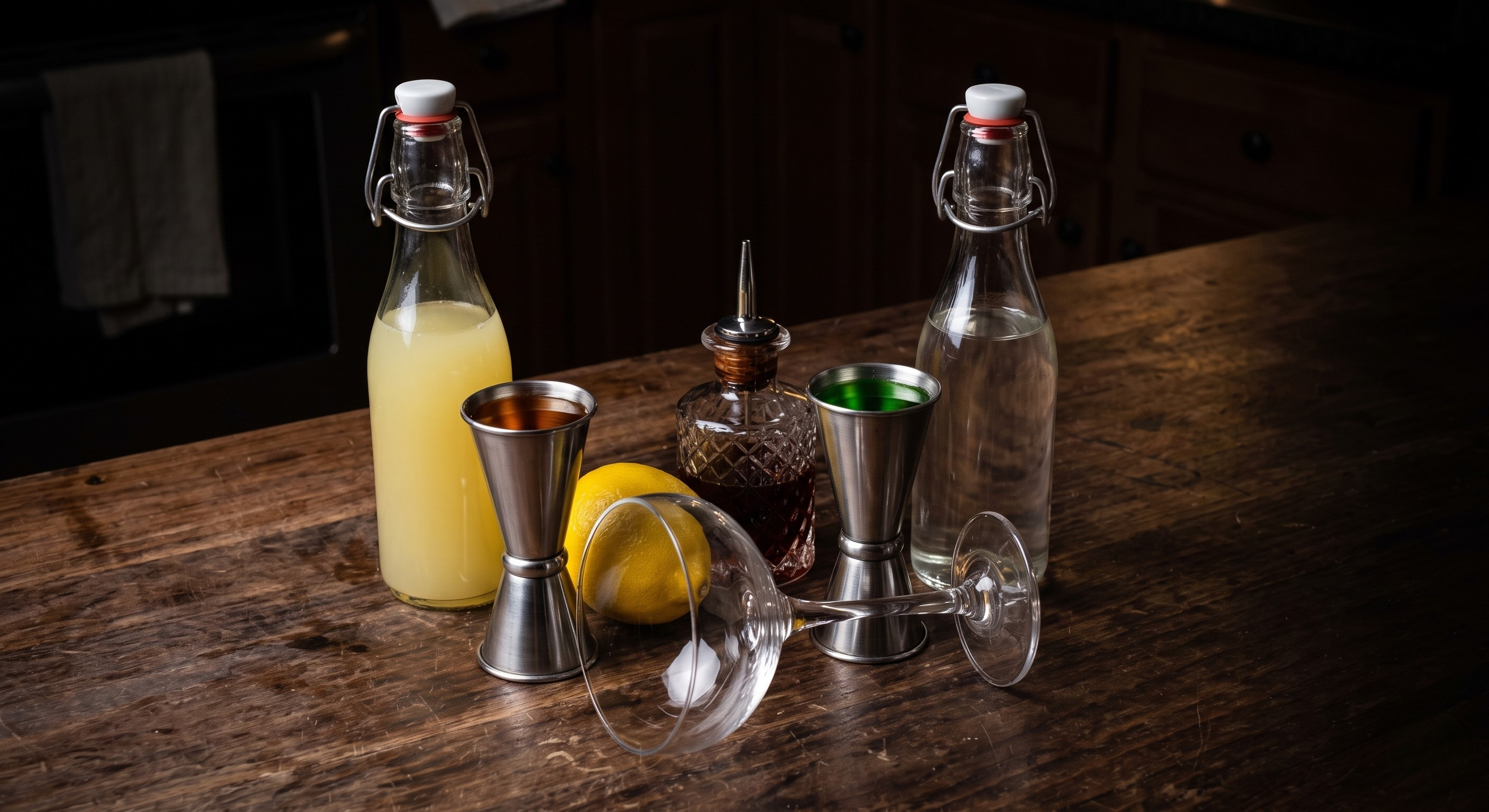
Ingredients
- Cognac1 ½ oz
- Green Chartreuse½ oz
- Fresh lemon juice¾ oz
- Simple syrup¼ oz
- Angostura bitters2 dashes
- Lemon twist, for garnish1
2 dashes in this recipe = 4 Japanese dasher-bottle dashes, if that's what's in your kit.
Method
- Chill a coupe glass.
- Measure and pour the cognac, Green Chartreuse, fresh lemon juice, simple syrup and Angostura bitters into the shaker.
- Add a scoop of ice to the shaker.
- Shake for 15 seconds.
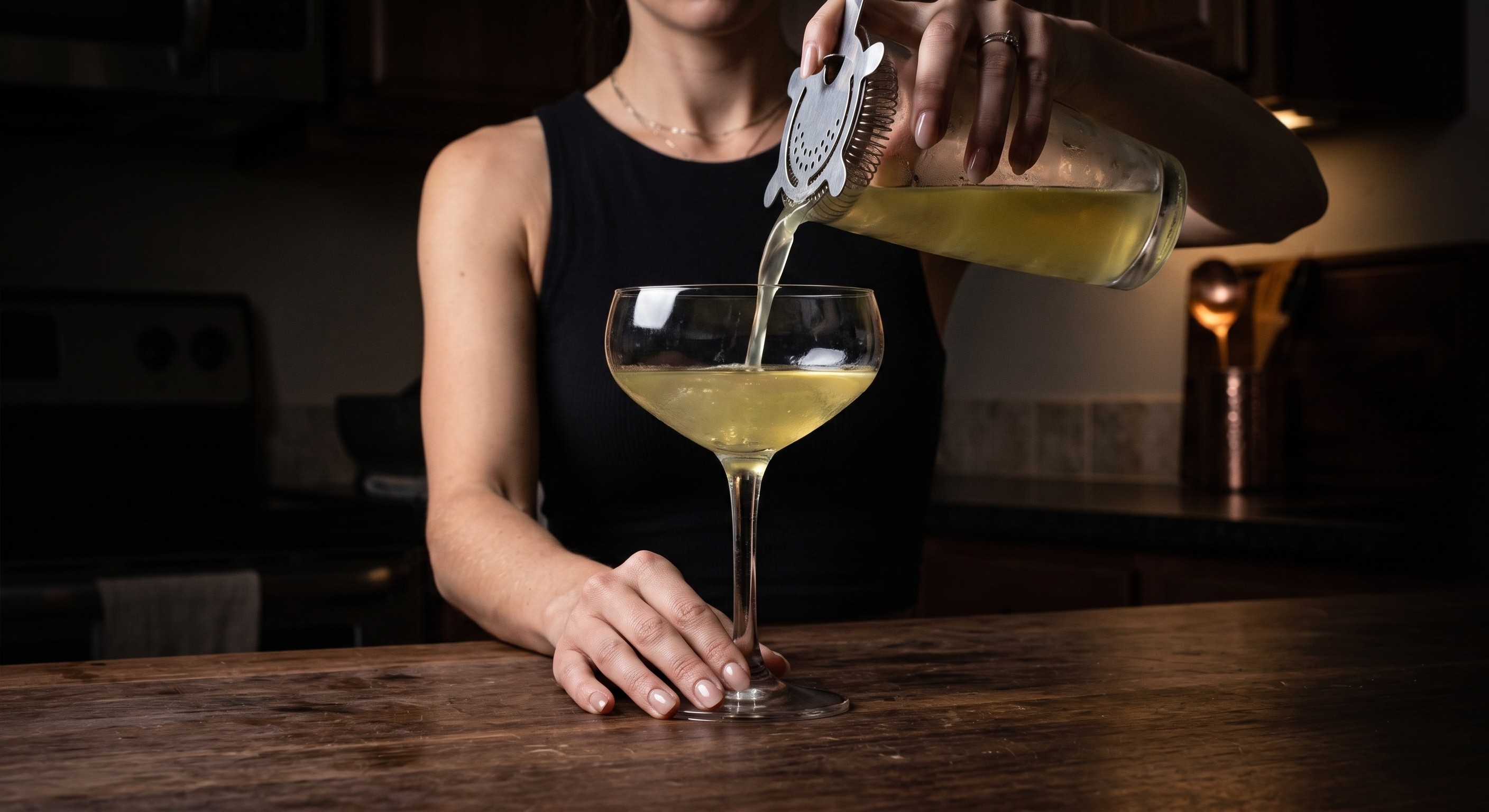
- Fine-strain the cocktail into the coupe.
- Cut a lemon twist.
- Express the peel over the drink and garnish with it.
Glass & Garnish
Chilled coupe. Garnish: lemon twist, expressed over the drink.
Notes
Yellow Chartreuse substitutes, sweeter and less potent — scale back the syrup slightly. Lime works in place of lemon. Scales cleanly to a pitcher for a dinner party. Pairs with roasted nuts or a mild hard cheese.
Tools Used
Affiliate links
As an Amazon Associate, Sipped Right earns commission from qualifying purchases made via links on this website, at no extra cost to you.