Whiskey · Sour · Sour
Gold Rush Recipe
Bourbon, lemon, and honey syrup — a bartender's own sour, turned modern classic. Honey rounds out the sharp edges of a straight whiskey sour, giving it a warmer, richer sweetness without tipping into dessert territory. An easy year-round order — bright enough for a summer porch, weighty enough to hold its own after dinner.
- Prep Time
- 2 min
- Method
- Shaken
- Glass
- Rocks glass
- Strength
- Balanced
Every recipe on Sipped Right is tested for taste and balance before it's published.
Last updated November 16, 2026
About the Gold Rush
The Gold Rush was created by bartender T.J. Siegal at Sasha Petraske's Milk & Honey in New York City, sometime in 2000 — a honey-syrup twist on the bourbon sour Siegal used to order after his shifts. Petraske had mixed a honey syrup for another drink, the Honeysuckle, and Siegal asked him to swap it into his usual sour in place of simple syrup. The change stuck, and the drink became one of Milk & Honey's signature pours — a bar widely credited with reviving pre-Prohibition standards like fresh juice and house syrups. The Gold Rush has since become one of the most-cited modern classics of the 2000s craft-cocktail revival, essentially the bourbon sibling of a Bee's Knees.
2:0.75:0.75 — bourbon at roughly double the combined lemon and honey syrup — is the same backbone as a classic Whiskey Sour, just with honey syrup standing in for semi-rich simple syrup. That single swap is the entire idea of the drink: same structure, richer, rounder sweetness.
Ingredients
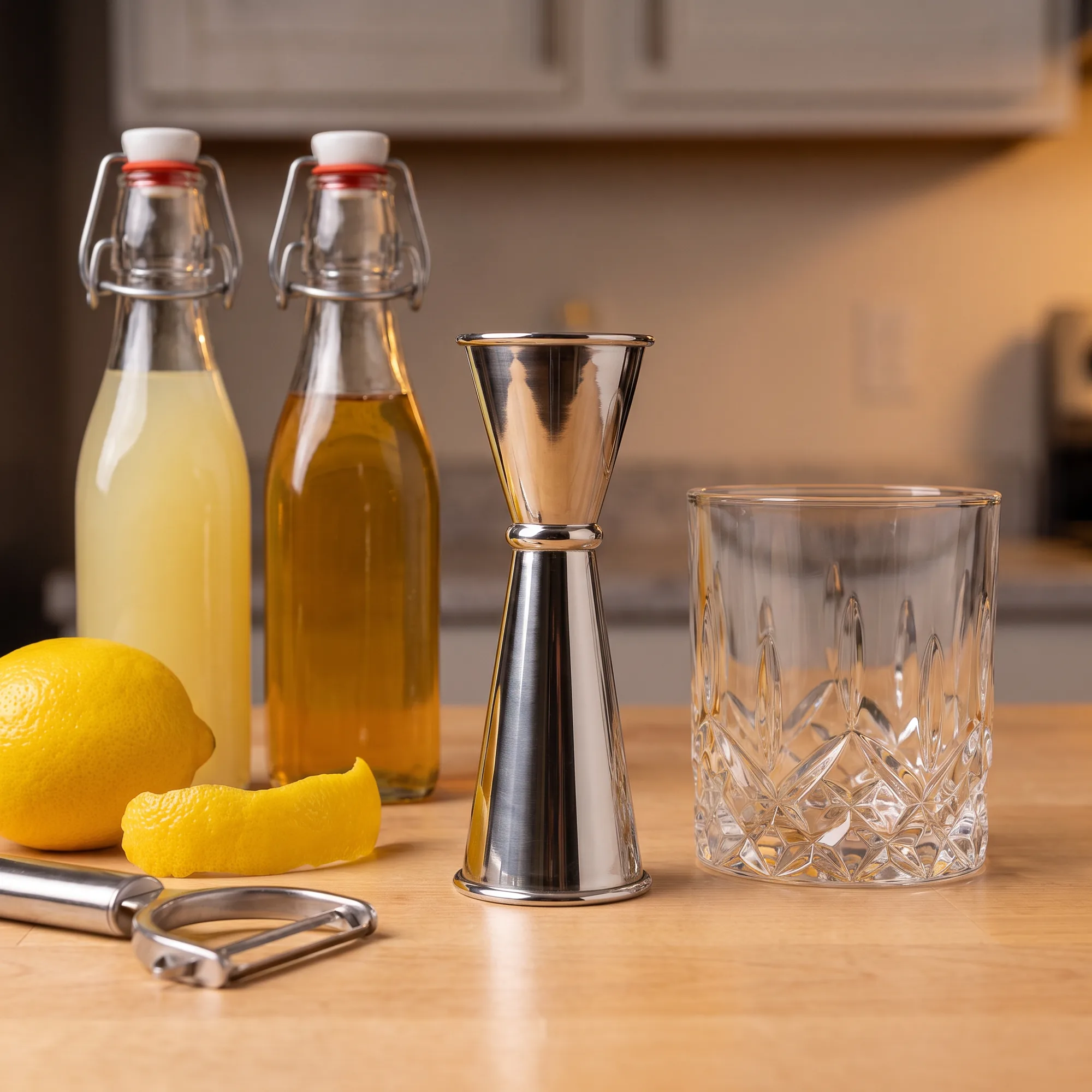
- Bourbon2 oz
- Fresh lemon juice¾ oz
- Honey syrup (1:1)¾ oz
- Lemon peel, for garnish1
Method
- Juice the lemons.
- Measure and pour the bourbon, lemon juice and honey syrup into the shaker.
- Add a scoop of ice to the shaker.
- Shake for 15 seconds.
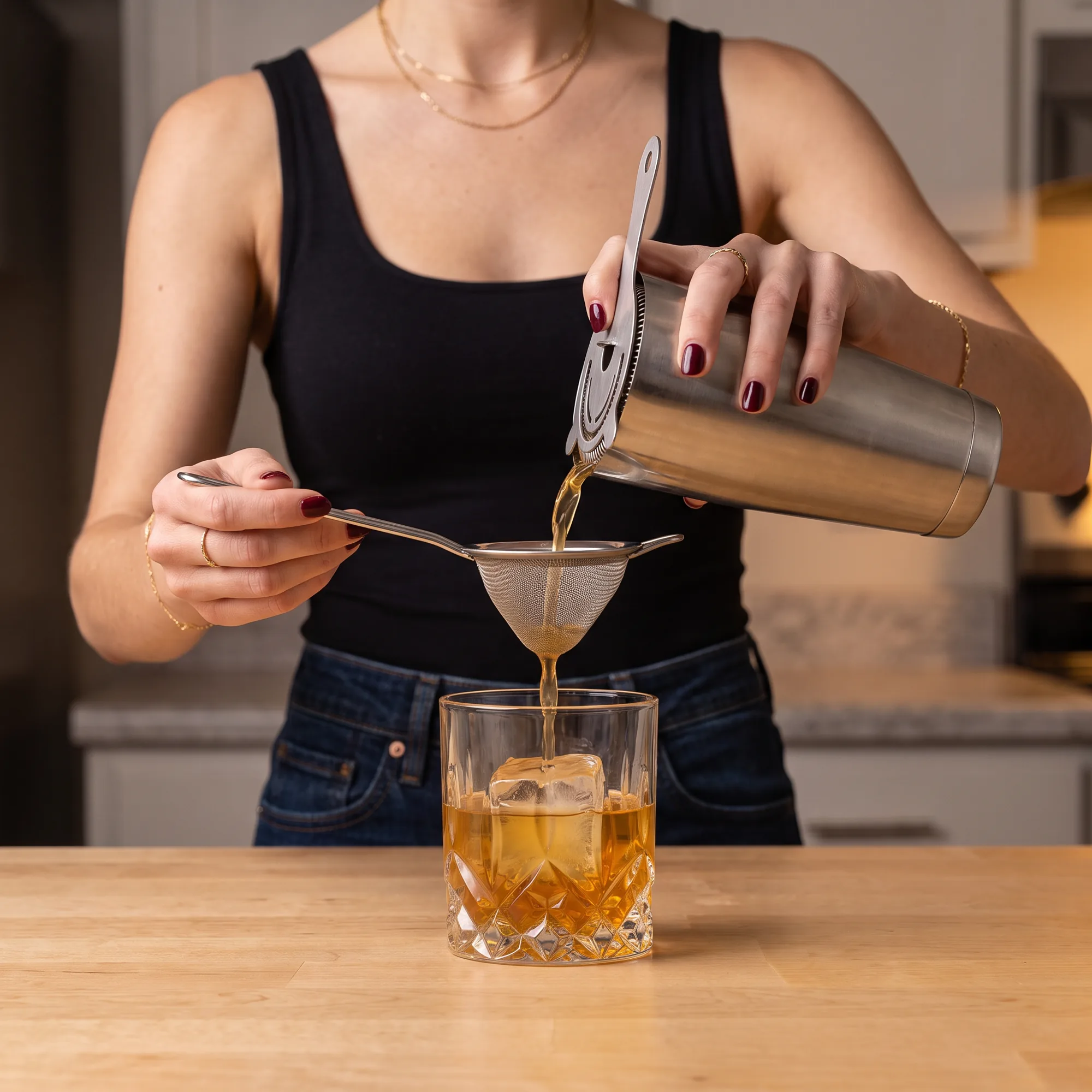
- Double-strain the cocktail into a rocks glass over ice.
- Cut a swath of lemon peel.
- Express the peel over the drink and drop it in.
Glass & Garnish
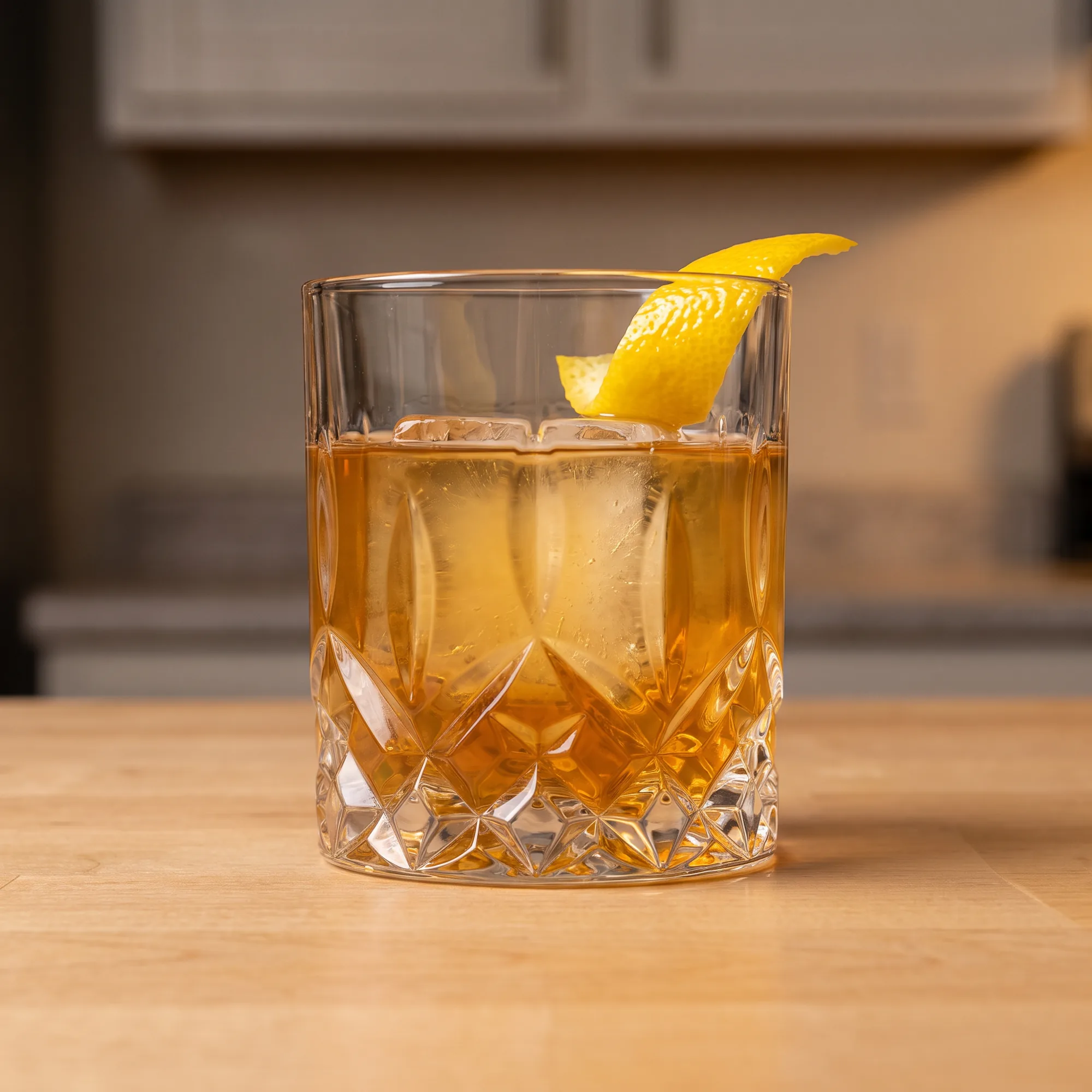
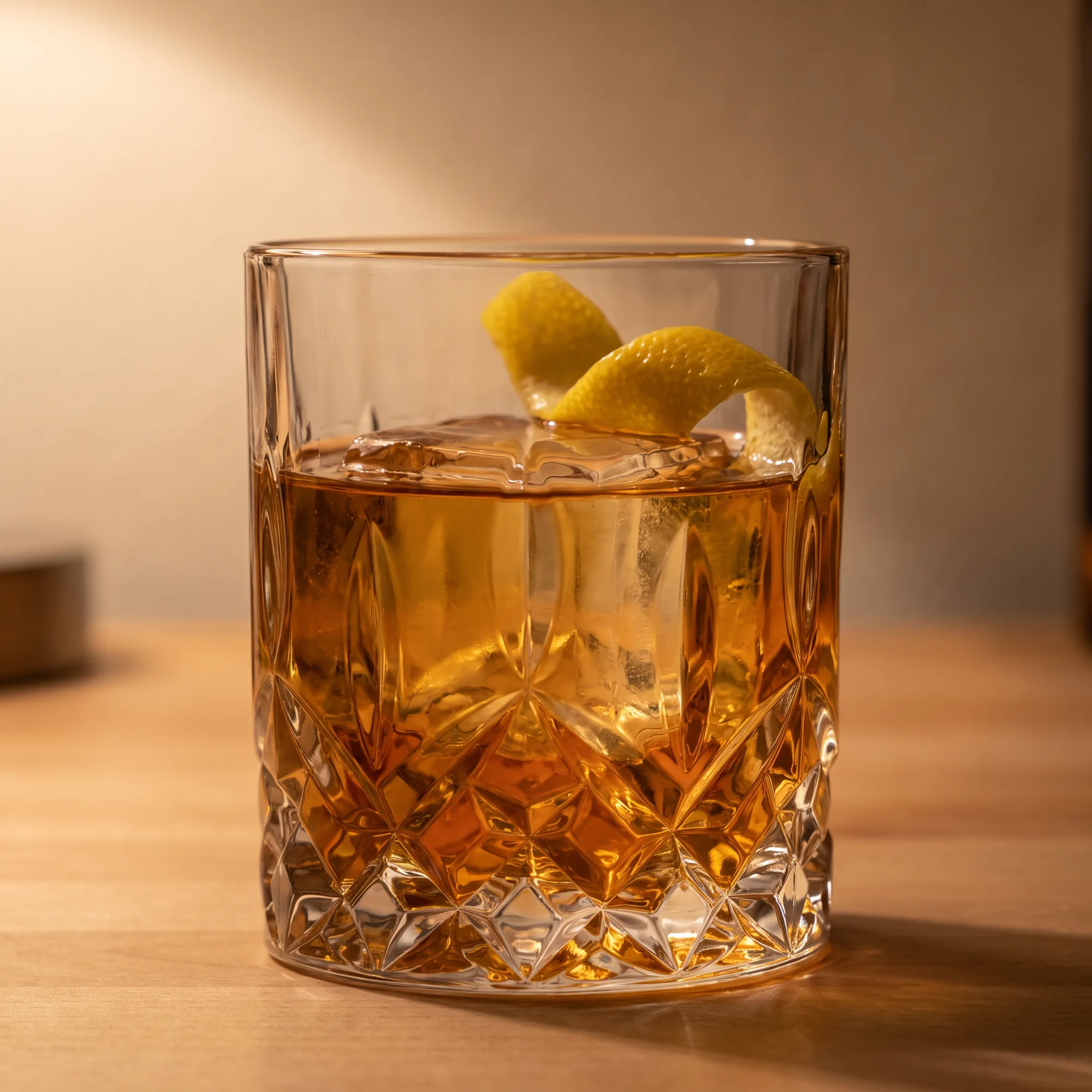
Rocks glass, over a big ice cube. Honey syrup gives the drink more body and viscosity than a standard sour, so a big, slow-melting cube keeps that texture intact rather than diluting it away too fast. Garnish with a lemon twist, cut fresh and expressed over the drink before dropping it in — a bright citrus-oil top note that cuts through the honey's richness without adding a second flavor to compete with it.
Notes
Honey syrup (3 parts honey to 1 part hot water, stirred until fully dissolved) keeps far better mixed ahead than fresh-squeezed lemon juice does — batch the syrup, juice fresh per round. Works with rye in place of bourbon for a spicier pour.
Tools Used
Affiliate links
As an Amazon Associate, Sipped Right earns commission from qualifying purchases made via links on this website, at no extra cost to you.
FAQ
- Who invented the Gold Rush cocktail?
- Bartender T.J. Siegal created it at Sasha Petraske's Milk & Honey in New York City around 2000, swapping honey syrup into the simple-syrup slot of his usual bourbon sour. It's now considered one of the defining modern classics of the 2000s craft-cocktail revival.
- Can I make a Gold Rush with semi-rich simple syrup instead of honey syrup?
- You can, but it stops being a Gold Rush and becomes a standard Whiskey Sour — honey syrup's rounder, slower sweetness is the entire point of this drink. Agave syrup is the closest substitute in body and flavor if you're out of honey.
- What's the best bourbon for a Gold Rush?
- A mid-proof, slightly sweet bourbon — like Buffalo Trace or Four Roses — works best. The honey syrup already adds richness, so a high-proof or heavily oaked pour can tip the drink out of balance.
- What's the difference between a Gold Rush and a Bee's Knees?
- Both are honey-and-lemon sours built the same way, just with different base spirits — the Gold Rush uses bourbon, the Bee's Knees uses gin. Swap the spirit and you're essentially making the other drink.
- Can I batch a Gold Rush ahead of time for a party?
- Yes — scale the bourbon, lemon juice and honey syrup evenly and mix everything but the ice ahead of time. Add lemon juice as close to serving as you can; it dulls noticeably within a day or two.