Tequila/Mezcal · Tiki & Tropicals · Spicy
El Diablo Recipe
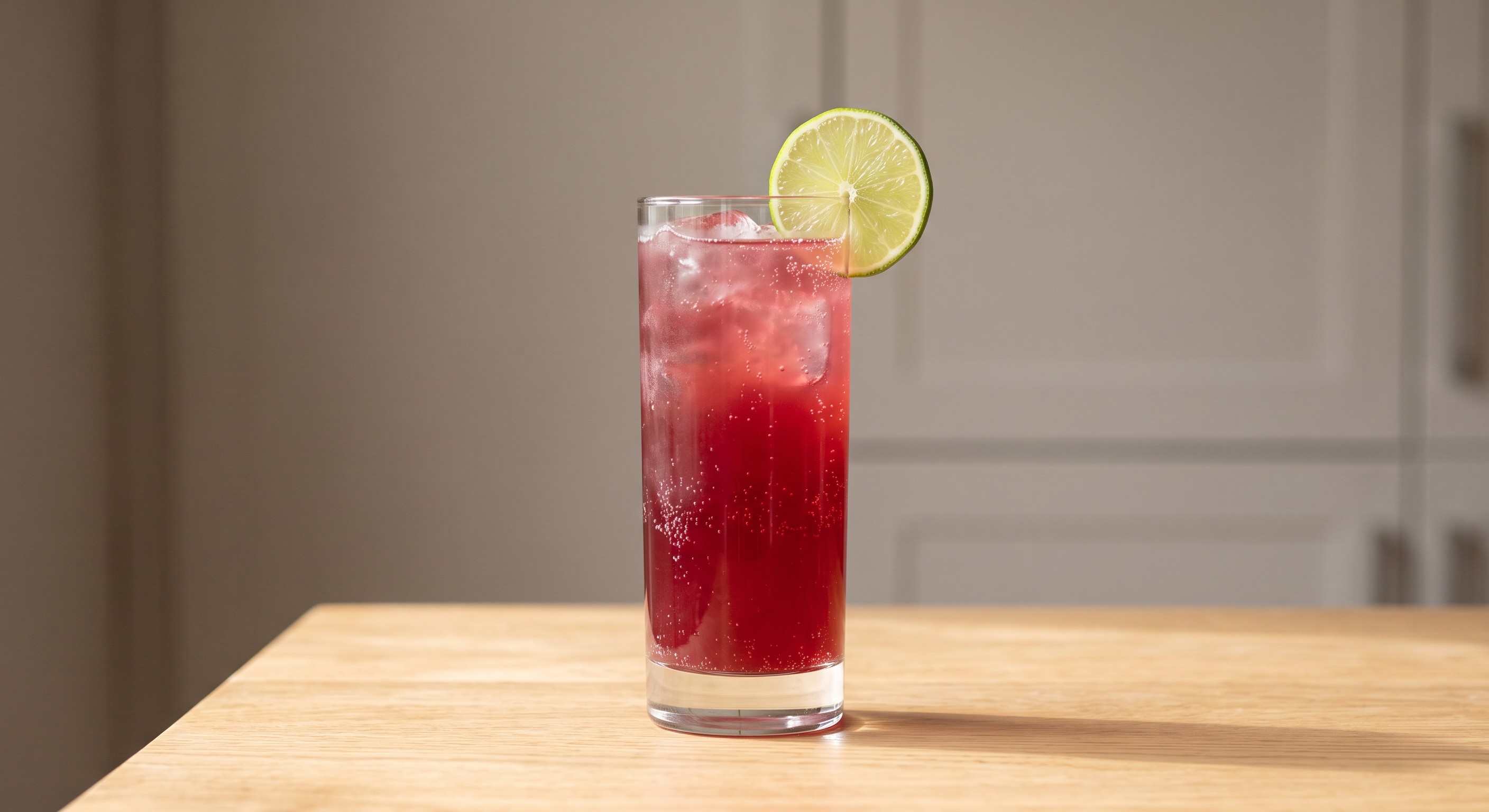
Tequila, blackcurrant liqueur, lime, and a spicy ginger beer top — deceptively easy to underestimate. Fruity, spicy and refreshing — blackcurrant's dark sweetness meets tequila and lime, then a ginger beer kick lengthens it. An easy tiki-era highball that goes down quicker than you expect.
- Prep Time
- 1.5 min
- Method
- Stirred
- Glass
- Highball or Collins glass
- Strength
- Light
Every recipe on Sipped Right is tested for taste and balance before it's published.
Last updated November 16, 2026
About the El Diablo
El Diablo's first known print appearance is in Trader Vic's 1946 "Book of Food & Drink," making it a genuine relic of the original American tiki era rather than a modern invention borrowing its aesthetic. The recipe originally called for ginger ale rather than ginger beer — but ginger ale in the 1940s was a spicier, more assertive drink than the mild version sold today, closer to what we'd now call ginger beer. The drink hasn't actually gotten milder over eighty years; the industry just renamed the ingredient underneath it. It's stayed a reliable, unfussy order at tiki bars ever since — simple enough for four ingredients at home, with enough tequila-and-blackcurrant personality to stand apart from the rum-heavy drinks around it.
Tequila, crème de cassis, lime and ginger beer pour at 1.5 : 0.5 : 0.5 : roughly 3 oz, or about 3:1:1:6. The small cassis and lime measures sweeten and brighten the tequila without hiding it, and the long ginger beer top makes it a highball. Drop the cassis and it is close to a Mexican Mule.
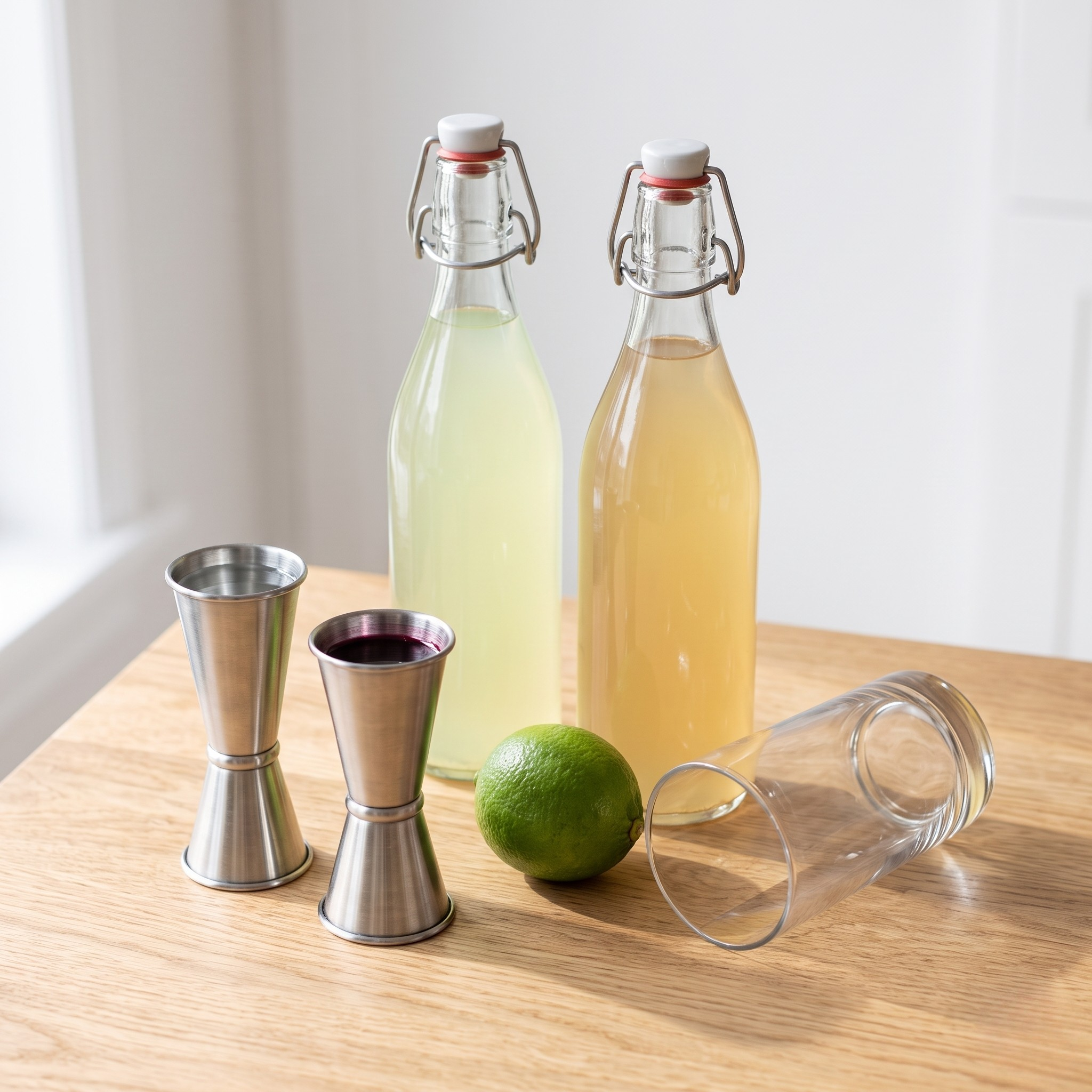
Ingredients
- Tequila1 ½ oz
- Crème de Cassis½ oz
- Fresh lime juice½ oz
- Ginger beer~3 oz, to top
- Lime wheel or twist, for garnish1
Method
- Juice the limes.
- Fill a highball with ice.
- Measure and pour the fresh lime juice, Crème de Cassis and tequila into the glass.
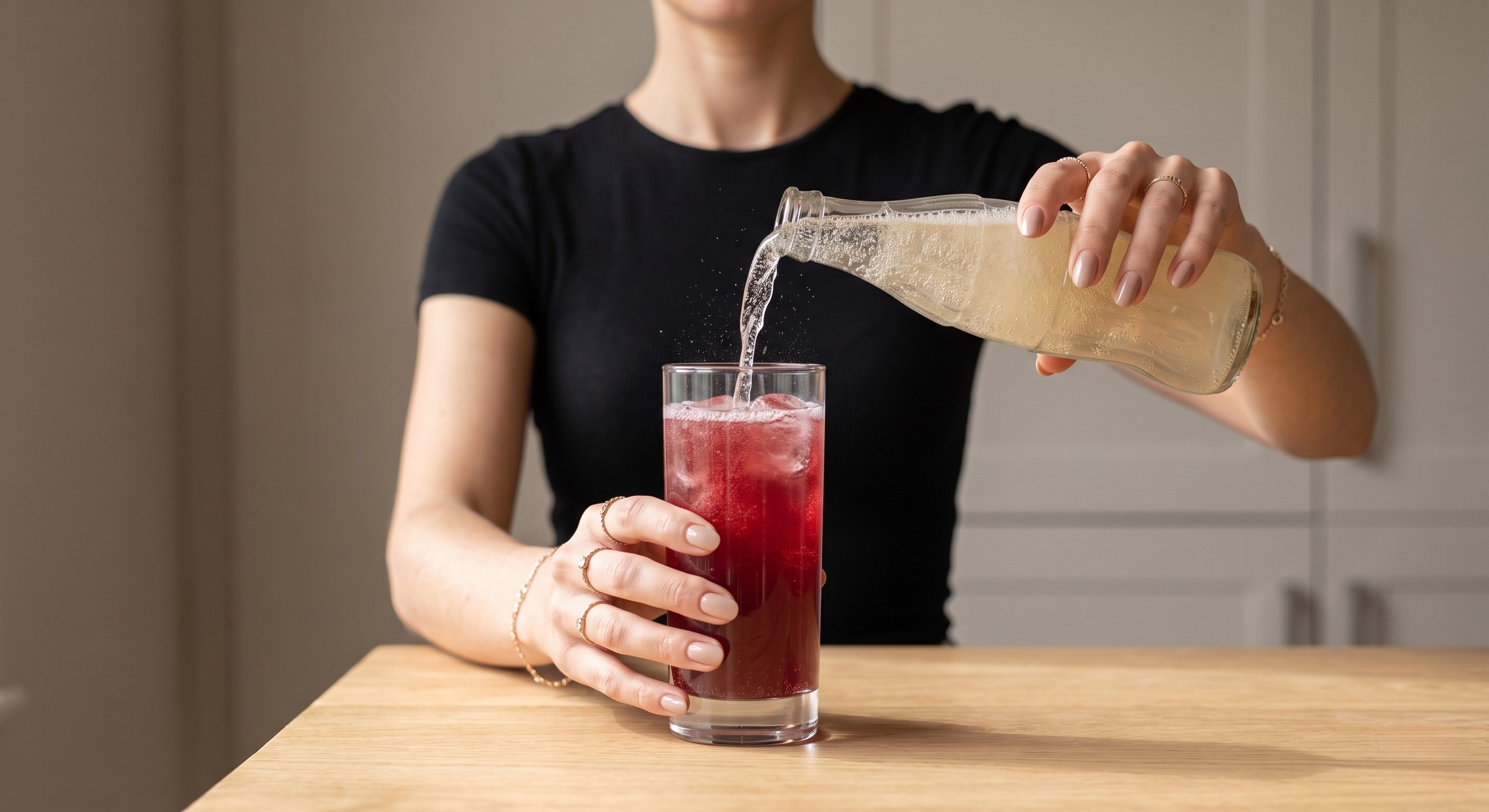
- Top with ginger beer.
- Stir for 5 seconds.
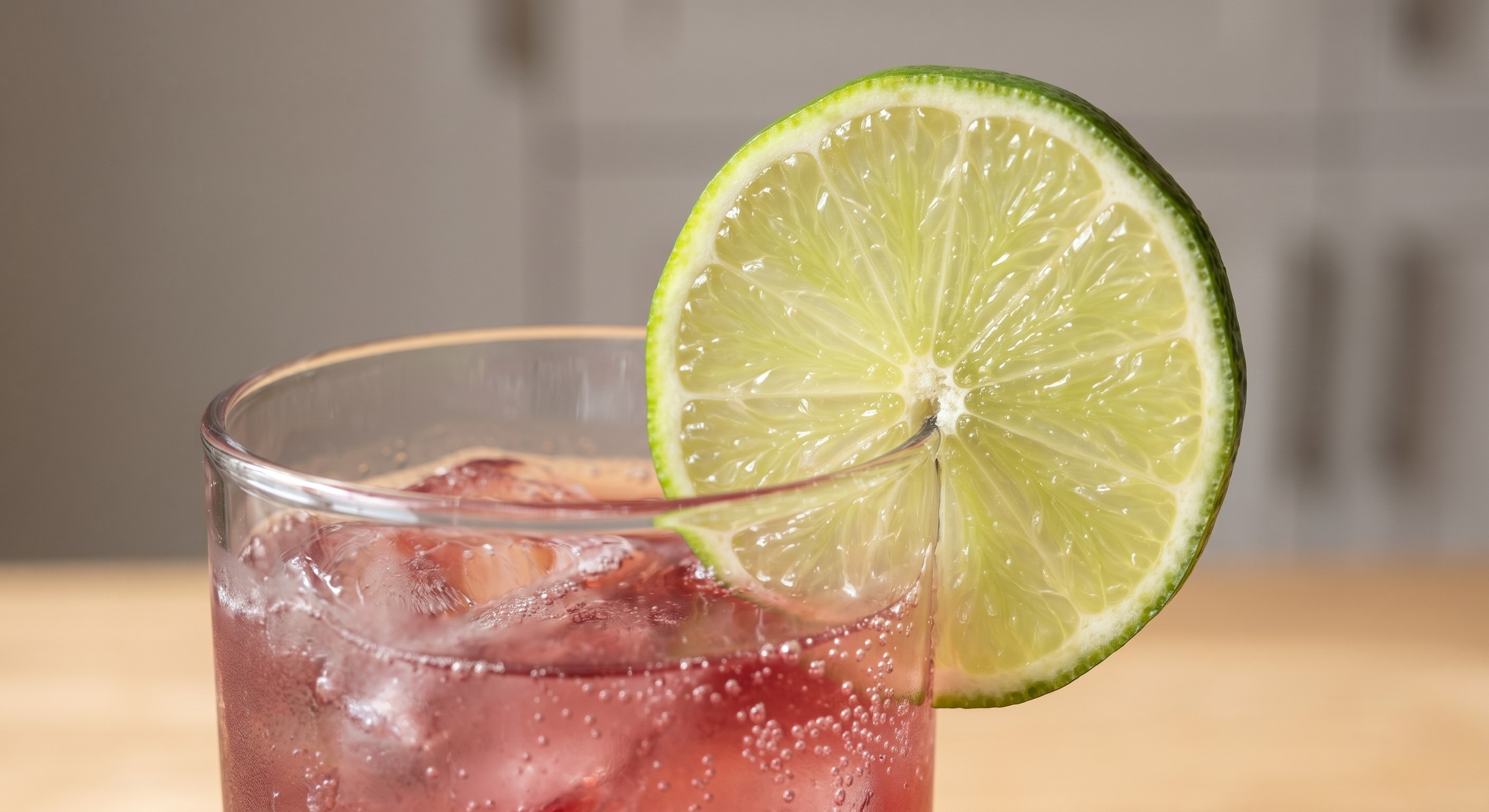
- Cut a lime wheel.
- Garnish with the lime wheel.
Glass & Garnish
Highball or Collins glass, over ice, built tall. Garnish: lime wheel or twist.
Notes
Mezcal substitutes for a smokier version. A raspberry liqueur works in place of Crème de Cassis, less sweet — adjust lime accordingly. Not a batching cocktail — carbonation goes in fresh per glass. Pairs with grilled or spicy food.
Tools Used
Affiliate links
As an Amazon Associate, Sipped Right earns commission from qualifying purchases made via links on this website, at no extra cost to you.
FAQ
- How do I scale an El Diablo up for a party?
- Use the servings control above the ingredients to multiply the tequila, cassis and lime, then pre-mix those in a bottle and chill them. Build each drink over ice and top it with ginger beer at the last second so the fizz stays sharp in every glass.
- Can I make an El Diablo without crème de cassis?
- Yes. A raspberry liqueur gives a similar fruity depth and is slightly less sweet, so adjust the lime to taste. Cassis is what gives the drink its deep color and blackcurrant flavor, though, so expect a lighter, pinker drink without it.
- What's the best tequila for an El Diablo?
- A blanco tequila keeps the drink crisp and bright, while a reposado adds gentle oak and vanilla that pair well with the cassis. Mezcal also works for a smokier version. Choose a 100 percent agave tequila so the ginger beer does not mask the spirit.
- Does an El Diablo need a garnish?
- A lime wheel or twist is the classic finish. It echoes the lime juice already in the glass and adds a citrus aroma as you lift the drink. The cocktail still tastes right without it, but the garnish makes the glass look finished.
- Who invented the El Diablo?
- No inventor is named, but its first known print appearance is in a 1946 book from the original American tiki era, which makes it a genuine relic of that period rather than a modern imitation. It originally called for ginger ale, which was then spicier than the version sold today.