Aperitif/Liqueur · Classic · Herbaceous
Absinthe Frappé Recipe
New Orleans' original green hour in a glass: absinthe, sugar, and soda shaken cold over crushed ice. Cold, herbal, and faintly licorice-sweet, the Absinthe Frappé is a slow-sipping warm-weather ritual straight out of 19th-century New Orleans, best enjoyed unhurried, with a straw.
- Prep Time
- 1.5 min
- Method
- Shaken
- Glass
- Rocks glass
- Strength
- Balanced
Every recipe on Sipped Right is tested for taste and balance before it's published.
Last updated October 20, 2026
About the Absinthe Frappé
The Absinthe Frappé was invented in 1874 by bartender Cayetano Ferrer at the Old Absinthe House on Bourbon Street, New Orleans. It became the signature ritual of the city's absinthe-house culture during the spirit's American heyday, shaking absinthe with sugar and pouring it over crushed ice, a refreshing formula that outlasted the 1912 U.S. absinthe ban in name and legend alike.
Absinthe leads at roughly 1.5 oz to just 0.5 oz simple syrup, a 3:1 ratio that keeps the drink absinthe-forward rather than syrup-sweet, with the sugar only rounding off the herb's bitter anise edge. Soda water tops it to roughly double the volume, chilling and diluting it over crushed ice. Unlike the Sazerac, which uses absinthe only as a rinse, the Frappé makes absinthe the base spirit itself.


Ingredients
- Absinthe1 ½ oz
- Simple syrup½ oz
- Soda water2 oz
Method
- Measure and pour the absinthe and simple syrup into the shaker tin.
- Add ice to the shaker tin.
- Shake for 15 seconds.
- Add a scoop of crushed ice to the rocks glass.
- Strain the cocktail into the rocks glass over the crushed ice.
- Top with soda water.
- Clap the mint sprig between your hands to release its aroma.
- Garnish with the mint sprig.


Glass & Garnish
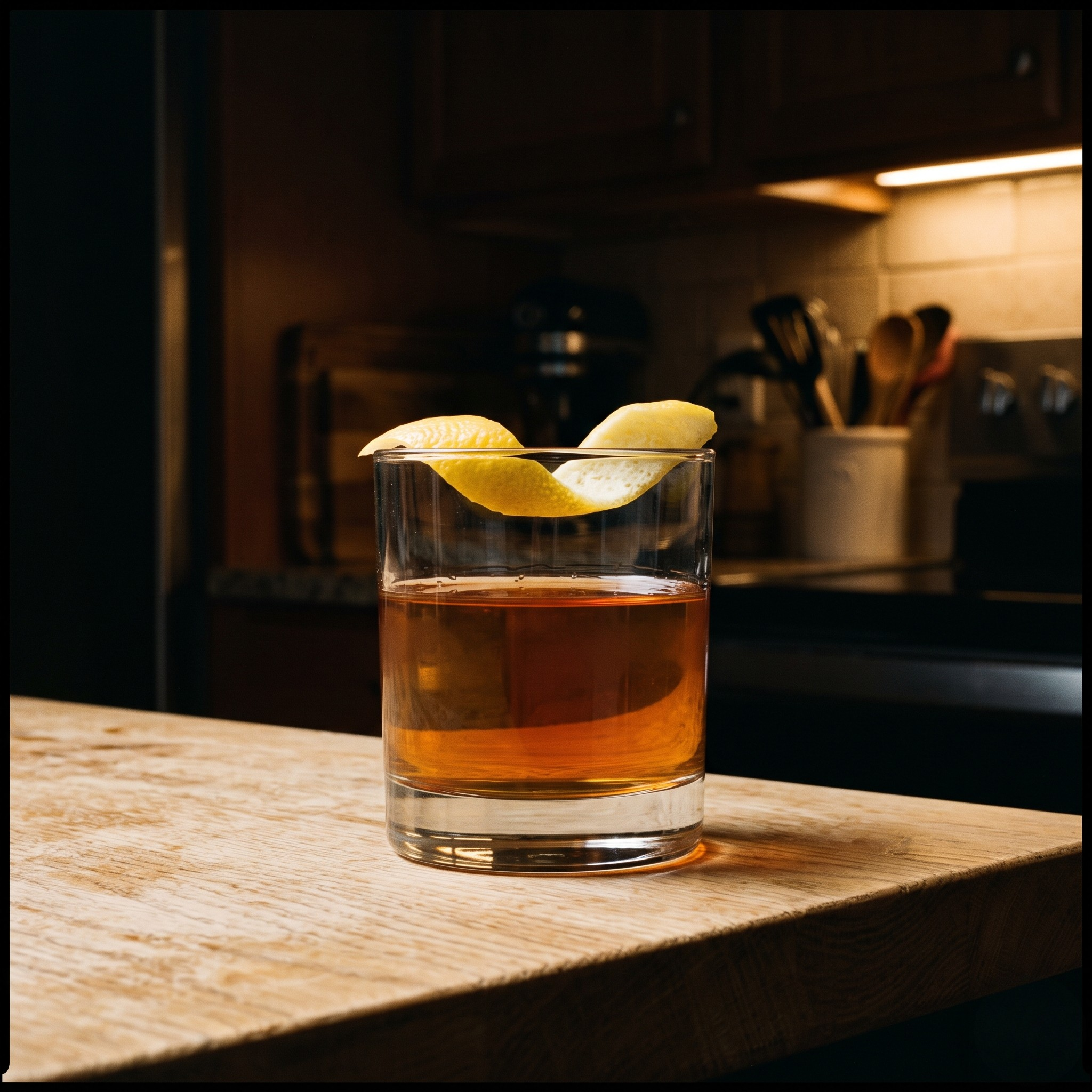
Rocks glass, filled with crushed ice. Garnish with a mint sprig.
Notes
Built simply — absinthe, simple syrup and soda water over crushed ice, with a mint garnish. Some recipes add a splash of anisette or muddle in lemon or mint; those are optional variations, covered in the FAQ.
Tools Used
Affiliate links
As an Amazon Associate, Sipped Right earns commission from qualifying purchases made via links on this website, at no extra cost to you.
FAQ
- What exactly is absinthe, and how is it different from Pernod or Herbsaint?
- Absinthe is a high-proof (typically 45-74% ABV) spirit distilled with grand wormwood, anise, and fennel, historically unsweetened. Pernod and Herbsaint are lower-proof, pre-sweetened anise liqueurs developed as absinthe substitutes during the bans. True absinthe gives the Frappé a drier, more herbal backbone than either stand-in.
- Can I use Pernod or Herbsaint instead of absinthe?
- Yes — Herbsaint or Pernod both make a lighter, sweeter, lower-proof Frappé and are the traditional New Orleans stand-ins from the decades when absinthe was banned in the U.S. Expect a softer, less bitter anise flavor, and cut the added simple syrup slightly since both are already sweetened.
- Can I batch the Absinthe Frappé for a party?
- Yes — combine absinthe and simple syrup in the 3:1 ratio in a pitcher ahead of time and chill it, then build each drink to order: pour the mix over fresh crushed ice and top with soda water just before serving so the fizz doesn't go flat.
- What are the most common variations on the Absinthe Frappé?
- Some New Orleans bars add a splash of anisette liqueur for extra sweetness and anise punch, or muddle mint leaves and a lemon wedge into the shaker before straining. The soda-water-topped, mint-garnished version here is the most widely served standard.
- Why mint, and does it need to be muddled?
- A fresh mint sprig is the traditional garnish, clapped between the palms to release its oils before it's set on the crushed ice — no muddling required. Some recipes muddle a few leaves into the shaker for extra mint flavor, but garnish-only is the classic New Orleans presentation.
- Where does the Absinthe Frappé come from?
- It was created in 1874 by bartender Cayetano Ferrer at the Old Absinthe House in New Orleans. The drink became a fixture of the city's absinthe-house culture and even inspired a show tune in the 1904 Broadway musical It Happened in Nordland, cementing its place before the 1912 U.S. absinthe ban.